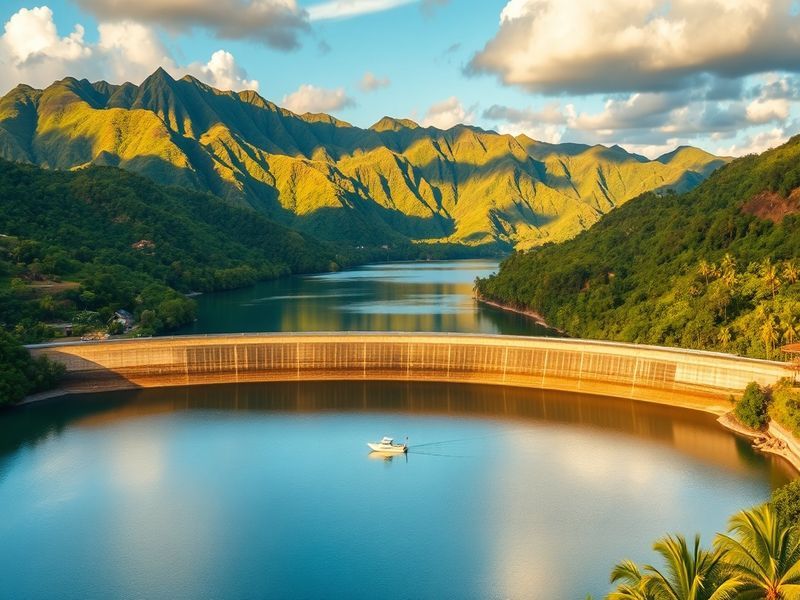
Overview of Wahiawa Dam
The Wahiawa Dam, located in Hawaii, is an important structure that serves multiple purposes, including water supply, irrigation, and flood control. Constructed in the early 20th century, it has been a vital resource for both the local community and agriculture. The dam impounds the waters of the Kaukonahua Stream, creating Lake Wilson, which is a popular site for recreational activities.
Historical Significance
The construction of the Wahiawa Dam began in 1908 and was completed in 1912. Its primary goal was to provide irrigation for the agricultural lands of the central Oahu region. During its early years, Wahiawa Dam played a crucial role in supporting the sugarcane industry, which was a dominant economic force in Hawaii at that time.
As the years went by, the dam underwent several modifications to enhance its capacity and safety. In the 1970s, the U.S. Army Corps of Engineers conducted a thorough inspection, leading to improvements that ensured the dam could withstand significant weather events. This proactive approach has helped maintain its integrity and functionality.
Environmental and Cultural Impact
The Wahiawa Dam not only serves practical purposes but also has cultural significance for the local population. The surrounding area is rich in native flora and fauna, making it a habitat for various species. Efforts have been made to preserve the natural environment while balancing the needs of agriculture and urban development.
Additionally, Lake Wilson has become a recreational hotspot, attracting fishing enthusiasts, boaters, and picnickers. The dam and lake are important for local tourism, contributing to the economy while promoting outdoor activities. The blend of natural beauty and human ingenuity is evident in this area.
Recreational Opportunities
Lake Wilson offers a range of recreational activities that cater to different interests:
- Fishing: The lake is home to various fish species, making it a popular spot for anglers.
- Boating: Kayaking and canoeing are common activities, allowing visitors to explore the serene waters.
- Picnicking: The surrounding areas provide ample space for picnics and family gatherings.
- Wildlife Watching: Birdwatchers can observe native species in their natural habitat.
Challenges and Future Considerations
Despite its benefits, the Wahiawa Dam faces several challenges. Climate change poses a significant threat, impacting rainfall patterns and water availability. Increased rainfall can lead to flooding, while prolonged droughts can strain water resources.
Furthermore, the aging infrastructure requires ongoing maintenance and upgrades to comply with modern safety standards. The responsibility of ensuring the dam’s safety falls on local authorities, who must balance community needs with environmental considerations.
As the demand for water resources continues to grow, the Wahiawa Dam will play a crucial role in supporting both agriculture and urban development. Sustainable management practices will be essential to ensure its longevity and effectiveness. Collaboration between government agencies, local communities, and environmental organizations will be vital in addressing these challenges.
Conclusion
The Wahiawa Dam stands as a testament to human ingenuity and the importance of water management in agriculture and recreation. Its historical significance and cultural impact highlight the interconnectedness of nature and community. As Hawaii faces new environmental challenges, the dam will remain a critical resource, requiring careful stewardship and sustainable practices for future generations.
For more information on similar topics, check out our Sports section for insights into outdoor activities and recreation, or explore our Culture category for a broader understanding of local traditions and practices.