South Africa vs New Zealand: Rugby’s Global Rivalry Explained
South Africa vs New Zealand: A Rugby Rivalry Shaped by History
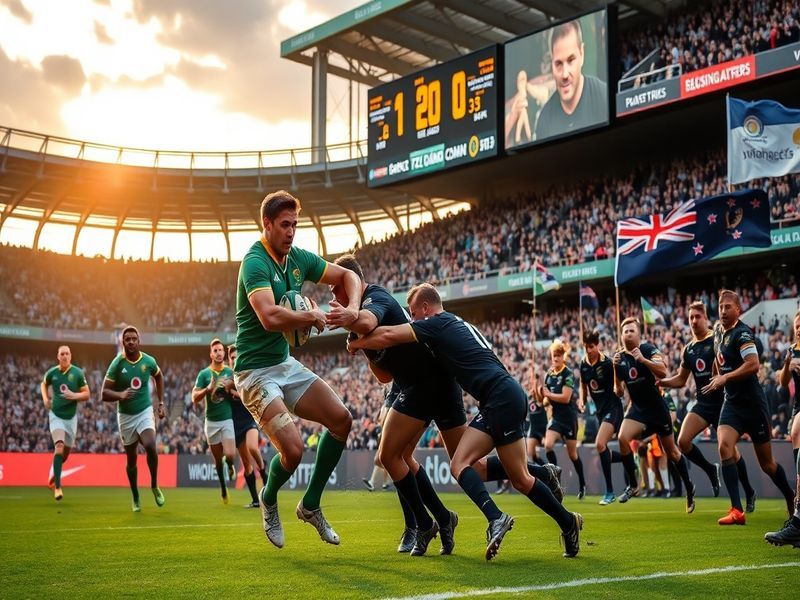
The matchups between South Africa and New Zealand have long transcended the boundaries of sport, evolving into a global spectacle that reflects broader cultural and historical narratives. When these two rugby powerhouses collide, the world watches not just for athletic prowess but for the deeper stories that unfold on the field. This rivalry, rooted in decades of competition, offers a lens through which to examine how sport can mirror societal shifts, political tensions, and national identities.
The first official test match between the two nations took place in 1921, a period when both countries were deeply entwined in the British Empire’s colonial legacy. For South Africa, rugby was—and remains—a symbol of national pride, particularly during the apartheid era when the sport became a contentious battleground for international isolation and internal unity. New Zealand, meanwhile, used rugby as a tool to assert its place in the world, with the All Blacks emerging as a team synonymous with both excellence and controversy.
The Cultural Significance of Rugby in Both Nations
Rugby is more than a game in these countries; it is a cultural institution. In New Zealand, rugby is woven into the fabric of national identity. The haka, a traditional Māori war dance performed before matches, is not merely a pre-game ritual but a declaration of heritage and strength. For Māori players and fans alike, the All Blacks represent both athletic prowess and cultural pride. The team’s performances are often framed as a reflection of New Zealand’s place in the world, whether as underdogs or dominant forces.
In South Africa, rugby’s role has been equally profound but fraught with complexity. During apartheid, the sport was a tool of exclusion, with the national team, the Springboks, representing a segregated society. The 1995 Rugby World Cup, famously won by South Africa under Nelson Mandela’s presidency, became a symbol of unity and reconciliation. The image of Mandela wearing a Springbok jersey remains one of the most powerful in sports history, illustrating how rugby could bridge divides in a fractured nation.
Key Moments That Defined the Rivalry
The South Africa vs. New Zealand rivalry has produced some of the most memorable moments in rugby history. These clashes are not just about points scored but about narratives that resonate far beyond the pitch. Consider the following pivotal encounters:
- 1995 Rugby World Cup Final: Held in South Africa, this match was a historic convergence of sport and politics. The Springboks’ victory over the All Blacks in the group stage was followed by a dramatic win in the final against New Zealand, cementing South Africa’s return to the international stage after decades of isolation. The tournament remains a defining moment in both nations’ histories.
- 2015 Rugby World Cup Semifinal: Another chapter in this storied rivalry unfolded in 2015, when South Africa faced New Zealand in a semifinal match that ended in a 20-18 victory for the All Blacks. The game was a masterclass in high-pressure rugby, with the All Blacks advancing to win the tournament. For South Africa, the loss underscored the fine margins that separate success from near-misses in elite sport.
- 2021 Rugby Championship: The most recent high-profile clash saw New Zealand defeat South Africa 27-22 in a tightly contested match that highlighted both teams’ tactical evolution. This victory was part of a broader trend where the All Blacks have maintained their dominance, though South Africa has consistently pushed them to their limits.
The Global Impact of the Rivalry
The South Africa vs. New Zealand rivalry extends far beyond the borders of either country. Rugby, as a global sport, has seen its popularity surge in recent years, thanks in part to the high-stakes drama these matches provide. Broadcasters and fans worldwide tune in not only for the skill on display but for the cultural narratives that accompany each game. This rivalry has helped elevate rugby’s profile, particularly in countries where the sport is growing, such as the United States, Japan, and Argentina.
Moreover, the rivalry has become a case study in how sport can influence diplomacy and global perception. The 1995 World Cup, for instance, was a soft power triumph for South Africa, showcasing the country’s post-apartheid transformation to a global audience. Similarly, New Zealand’s rugby culture—with its emphasis on inclusivity and Māori heritage—has positioned the country as a progressive force in international sport. These narratives add layers of meaning to every match, making the rivalry a fixture not just in sports calendars but in global conversations about identity and unity.
What’s Next for Both Teams?
As both teams look to the future, the rivalry shows no signs of fading. South Africa’s 2023 Rugby World Cup victory, where they defeated New Zealand 12-11 in a thrilling final, reaffirmed their status as a dominant force in the sport. The Springboks’ ability to grind out wins in tight matches has become a hallmark of their team, while the All Blacks continue to innovate, blending traditional strengths with modern tactics.
For South Africa, the challenge lies in maintaining their momentum while navigating the complexities of a post-Rugby World Cup era. The team’s leadership and player development will be critical in ensuring that the next generation of Springboks can rise to the occasion. New Zealand, on the other hand, faces the task of rebuilding after a transitional period. The retirement of legendary players and the emergence of new talent will shape the All Blacks’ identity in the years to come.
One thing is certain: when these two teams meet, the world will be watching. The South Africa vs. New Zealand rivalry is more than a contest between two rugby giants; it is a celebration of sport’s power to unite, inspire, and challenge. Whether it’s the haka’s defiance or the Springboks’ resilience, each match adds a new chapter to a story that resonates far beyond the rugby field.
For fans of the sport, these encounters are a reminder of why rugby holds such a special place in the hearts of millions. For casual observers, they offer a glimpse into the cultural and historical forces that shape our world. And for both nations, the rivalry is a source of pride, a testament to the enduring appeal of competition and camaraderie.
As the next chapter of this storied rivalry unfolds, one thing is clear: South Africa and New Zealand will continue to push each other to new heights, ensuring that every match is not just a game but a moment in history.