The Impact of Celebrity Deaths on Society
Celebrity deaths often evoke a profound emotional response from fans and the general public. These figures frequently represent more than just entertainment; they embody cultural ideals, aspirations, and collective memories. When a beloved celebrity passes away, it can feel as though a part of the community has been lost, leaving a void that is hard to fill. This phenomenon occurs across various cultures, highlighting the universal nature of grief and remembrance.
Cultural Reactions to Celebrity Losses
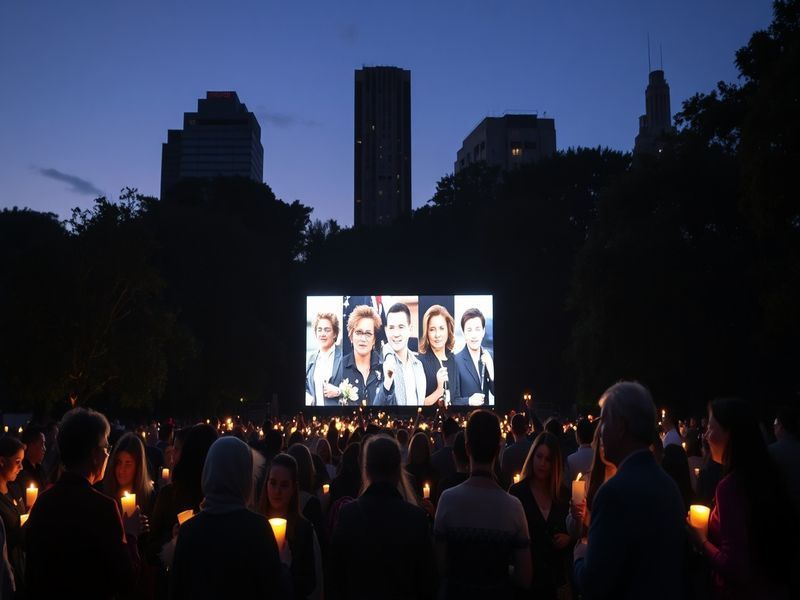
Different cultures react uniquely to the deaths of public figures. In many Western societies, memorials and tributes flood social media platforms, while fans gather in public spaces to mourn. For instance, when music legend David Bowie passed away in 2016, fans flocked to his star on the Hollywood Walk of Fame, leaving flowers and notes. This public display of grief serves as a communal expression of loss.
In contrast, some cultures may engage in more private forms of mourning. For example, in Japan, the death of a celebrity may lead to a significant decrease in media coverage, allowing fans to process their grief in a more subdued manner. This reflects broader societal values surrounding death and mourning, emphasizing respect and privacy.
Notable Celebrity Deaths and Their Legacy
Throughout history, numerous celebrity deaths have left indelible marks on society. Here are a few notable examples:
- Marilyn Monroe (1962): An icon of beauty and femininity, her untimely death at 36 sparked discussions about mental health and the pressures of fame.
- Michael Jackson (2009): The King of Pop’s death led to a worldwide outpouring of grief, but also raised concerns about the music industry and celebrity culture.
- Princess Diana (1997): Her tragic passing in a car accident brought attention to issues of media intrusion and public scrutiny faced by celebrities.
- Kobe Bryant (2020): The basketball star’s death in a helicopter crash shocked fans globally and highlighted his influence beyond sports, including his philanthropic efforts.
These figures not only shaped the entertainment industry but also left legacies that continue to influence contemporary discussions about fame, mental health, and the responsibilities of public figures.
The Role of Social Media in Mourning
Social media has transformed the way fans and communities respond to celebrity deaths. Platforms like Twitter, Instagram, and Facebook allow for rapid dissemination of news and facilitate communal mourning. Hashtags often trend, enabling fans to share their memories and express their grief collectively.
However, this instant communication can also lead to challenges. Misinformation can spread quickly, and the pressure to publicly mourn can be overwhelming for some. The balance between personal grief and public display is often a complex issue for fans navigating their feelings in the digital age.
Conclusion
Celebrity deaths resonate on multiple levels, influencing societal attitudes towards fame, mental health, and collective mourning. These events transcend individual loss, reflecting broader cultural narratives and values. As we continue to navigate the complexities of celebrity culture, it is crucial to recognize the impact these figures have on our lives and the significance of their legacies.
For more insights into the world of celebrities and their influence, explore our Entertainment section for the latest news and analysis.