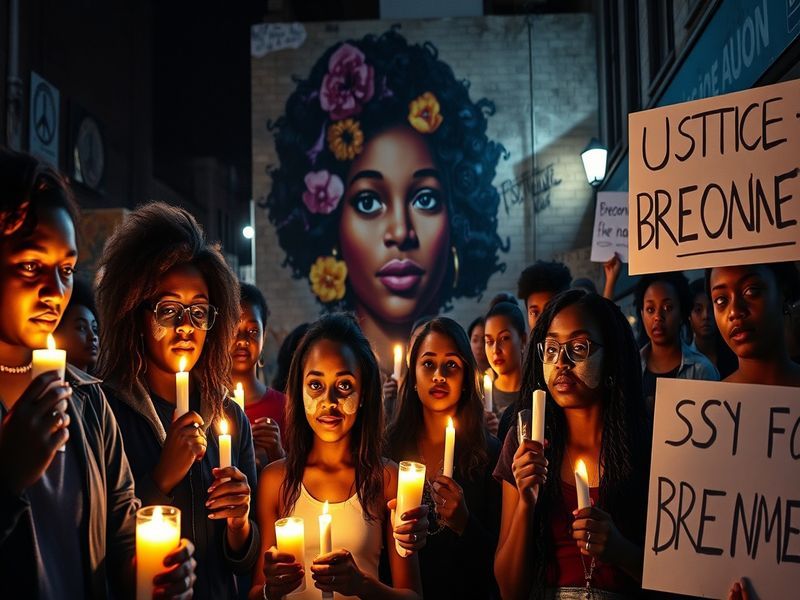
Understanding the Breonna Taylor Case
Breonna Taylor was a 26-year-old African American woman who was tragically killed by police in her own home on March 13, 2020. This incident became a focal point for discussions surrounding police reform and racial justice in the United States. The circumstances of her death, combined with the broader movements for racial equality, have left an indelible mark on society.
Timeline of Events
The events leading to Breonna Taylor’s death unfolded rapidly and have been scrutinized extensively. Here is a brief timeline to contextualize the situation:
- January 2020: Breonna Taylor’s home is identified as a target in a drug investigation.
- March 13, 2020: Police execute a no-knock warrant at Taylor’s apartment. In a confrontation, officers fire multiple shots, resulting in her death.
- May 2020: Protests erupt across the United States, calling for justice for Breonna Taylor and an end to police brutality.
- September 2020: A grand jury indicts one officer for wanton endangerment, but no charges are brought directly related to Taylor’s death.
The Impact of Her Death
Breonna Taylor’s death sparked widespread outrage and became emblematic of systemic issues within law enforcement. The case highlighted the dangers of no-knock warrants, which allow police to enter homes without prior notification. Critics argue that these warrants disproportionately affect communities of color and can lead to tragic outcomes.
Protests demanding justice for Taylor also intersected with the larger Black Lives Matter movement. Activists used her name as a rallying cry, emphasizing the need for accountability within police departments across the nation.
Legal and Social Repercussions
The aftermath of Breonna Taylor’s killing has seen various legal and social repercussions. In the months following her death, numerous discussions about police reform gained traction. Many advocates called for changes including:
- Ban on no-knock warrants
- Increased transparency in police operations
- Enhanced training for officers on de-escalation techniques
- Accountability measures for officers involved in wrongful deaths
In 2021, the city of Louisville agreed to a $12 million settlement with Taylor’s family, which included commitments to police reforms. However, many activists believed that financial compensation could not replace the loss of life and demanded further systemic changes.
Continuing the Fight for Justice
The Breonna Taylor case remains a critical point in the ongoing struggle for racial justice and police reform. Activists continue to advocate for legislative changes at local and national levels. The public’s response to her death has been a testament to the growing demand for accountability and change.
Additionally, the narrative surrounding Breonna has encouraged conversations about the experiences of Black women in the United States. The focus on her story has highlighted the need for intersectionality in discussions about race and gender, as many feel that the voices of Black women are often overlooked in broader movements.
As the fight for justice continues, Breonna Taylor’s legacy serves as a reminder of the work still needed in addressing systemic inequalities. The conversations sparked by her death will likely influence future policies and societal attitudes toward law enforcement and race relations in America.