The Escalating Tensions: Israel and Iran
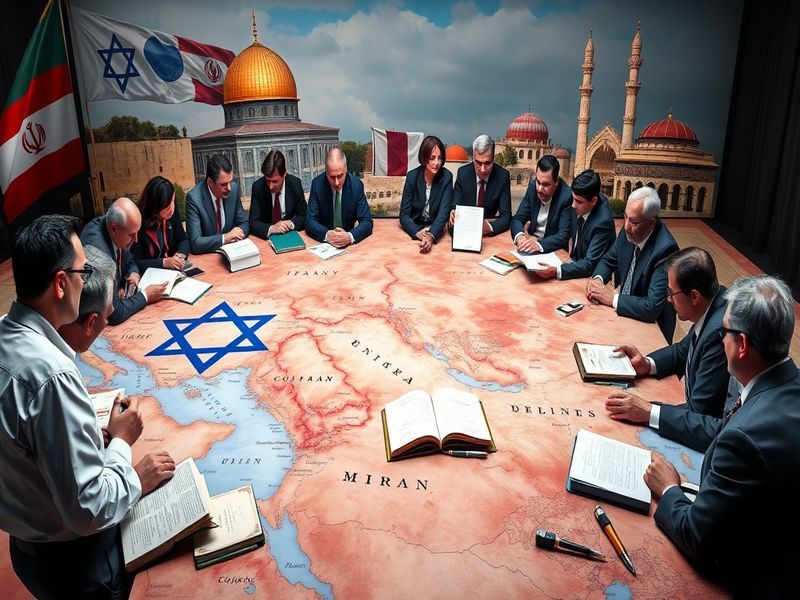
The relationship between Israel and Iran has been fraught with tension for decades. Both nations have distinct ideologies and strategic interests that often clash. The geopolitical landscape in the Middle East further complicates these relations, leading to a situation that many analysts consider precarious. Recent developments have raised concerns about a potential military conflict between these two nations.
Historical Context
To understand the current dynamics, it is essential to delve into the historical context of Israeli-Iranian relations. Following the 1979 Iranian Revolution, Iran shifted from a pro-Western monarchy to an Islamic Republic. This change marked the beginning of a hostile relationship with Israel, which Iran’s leadership views as an illegitimate state.
Over the years, both countries have engaged in a series of proxy conflicts. Iran has supported militant groups like Hezbollah and Hamas, both of which have engaged in armed confrontations with Israel. Meanwhile, Israel has conducted airstrikes on Iranian positions in Syria, aiming to curb Iranian military influence near its borders. This cycle of retaliation has only intensified over time.
Recent Developments
The past few years have seen a significant escalation in rhetoric and military posturing from both sides. Iran’s nuclear program remains a central issue. The Joint Comprehensive Plan of Action (JCPOA), signed in 2015, aimed to limit Iran’s nuclear ambitions. However, the U.S. withdrawal from the agreement in 2018 led to increased tensions and concerns regarding a potential nuclear-armed Iran.
On the other hand, Israel’s government, particularly under Prime Minister Benjamin Netanyahu, has adopted a hardline stance against Iran. Israel has repeatedly stated that it will not allow Iran to develop nuclear weapons. This has led to a series of covert operations, including cyberattacks and targeted killings of Iranian scientists.
The Global Perspective
The potential for conflict between Israel and Iran extends beyond the borders of these two nations. The implications of a war could affect global oil markets, international security, and diplomatic relations across the globe. Key players, including the United States, Russia, and European nations, have vested interests in the region.
Countries such as Saudi Arabia and the United Arab Emirates, which view Iran as a regional threat, may feel compelled to take sides. This could lead to a broader conflict involving multiple nations, further destabilizing the Middle East. The ramifications would likely be felt worldwide, impacting everything from energy prices to refugee flows.
Potential Scenarios
As tensions continue to rise, several potential scenarios could unfold:
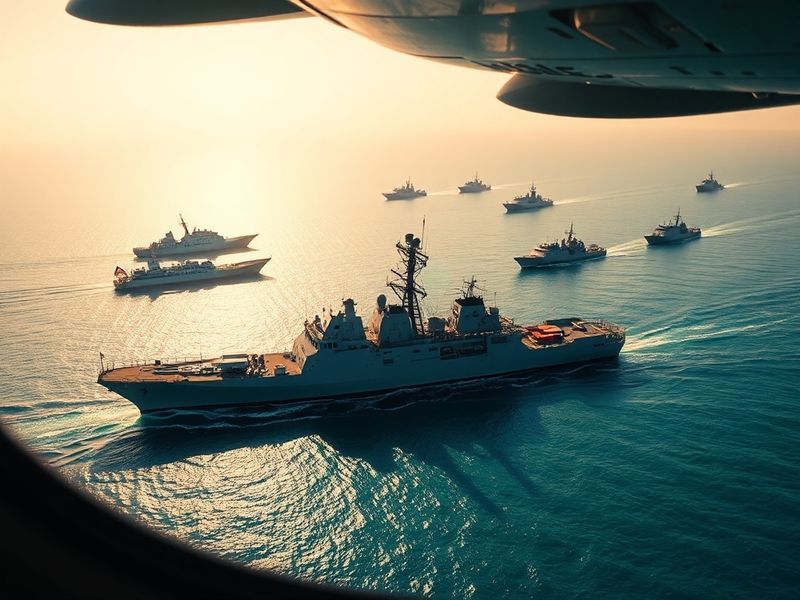
- Military Conflict: A direct military confrontation could occur, possibly igniting a wider regional war.
- Continued Proxy Warfare: Both nations may continue to engage in proxy conflicts, avoiding direct confrontation while still inflicting damage on each other.
- Diplomatic Solutions: International mediation could lead to renewed dialogue, potentially resulting in a de-escalation of tensions.
- Stalemate: A prolonged period of tension without resolution may lead to a precarious status quo.
Conclusion
The situation between Israel and Iran is complex and multi-faceted. Historical grievances, current geopolitical interests, and the potential for military confrontation all play a role in shaping the future of this relationship. As the international community watches closely, the hope remains that diplomacy may prevail over conflict.
For those interested in further exploring related topics, consider checking out our Politics and News sections for more insights and updates.