Crimson Desert Game Review: A Visual and Combat Masterpiece
Crimson Desert stands as one of the most visually ambitious and narratively rich open-world action RPGs released in recent years. Developed by Pearl Abyss, the studio behind the critically acclaimed Black Desert Online, this standalone title pushes boundaries in both technical and artistic execution. Unlike many modern open-world games that rely on procedural generation or recycled assets, Crimson Desert commits to a meticulously crafted world where every environment tells a story.
The game unfolds in the fictional continent of Pyaios, a land torn between warring factions, ancient magic, and mechanical wonders. Players take on the role of Macduff, a seasoned warrior seeking vengeance while navigating a world where loyalty is as fragile as the alliances being forged. What sets Crimson Desert apart is its seamless integration of combat, exploration, and narrative—each element designed to feel cohesive rather than bolted together.
The Visual Evolution: A Living, Breathing World
Crimson Desert isn’t just another open-world game with beautiful graphics—it’s a technical showcase. The game runs on the proprietary Black Desert Engine, enhanced to support real-time ray tracing, advanced physics, and dynamic weather systems that visibly alter the landscape. Forests sway in the wind, rivers flow convincingly, and even dust particles react realistically to player movement. This level of detail extends to character models, which are among the most lifelike in gaming, with detailed facial animations and fluid motion capture.
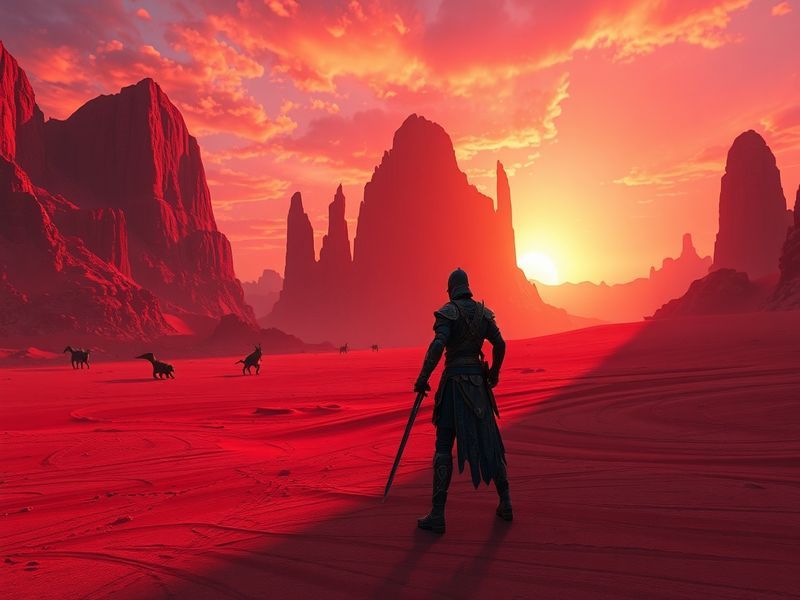
One of the most striking features is the day-night cycle. As the sun sets over Pyaios, the world doesn’t just darken—it transforms. Lanterns flicker to life in villages, shadows stretch across ruins, and distant campfires dot the horizon. The attention to environmental storytelling is evident in places like the Frosted Wastes, where snow accumulates realistically on surfaces and characters leave visible footprints in fresh powder.
The game’s art direction blends high fantasy with historical realism. Architecture reflects a mix of medieval European castles, Middle Eastern bazaars, and East Asian-inspired fortresses. This cultural fusion isn’t just aesthetic—it grounds the fantasy elements in a believable world. The contrast between the gritty, battle-scarred plains and the ornate, glowing sanctuaries creates a visual rhythm that enhances immersion.
Combat and Progression: Depth Beyond the Surface
Combat in Crimson Desert is fast, fluid, and deeply tactical. Unlike some action RPGs that prioritize flashy combos over strategy, this title rewards precision, timing, and adaptive play. The game features three weapon classes—sword, spear, and gauntlet—each with distinct move sets and upgrade paths. Swordplay emphasizes agility and counterattacks, spears offer reach and crowd control, while gauntlets deliver powerful, armor-breaking strikes.
Macduff’s combat abilities grow through a skill tree that emphasizes player choice. Do you invest in evasion and critical strikes, or focus on building stamina for sustained battles? The progression system also includes gear enhancement, allowing players to upgrade weapons and armor using resources found throughout the world. These systems encourage exploration beyond the main story, rewarding curiosity with stronger tools for survival.
Boss encounters are a highlight. Each major antagonist is uniquely designed, with attack patterns that feel weighty and deliberate. The game avoids the pitfall of repetitive boss design by varying mechanics—some require environmental interaction, while others test endurance and reflexes. The final battle against the game’s primary antagonist, General Balcardo, is particularly memorable, blending cinematic storytelling with intense combat.
Narrative and Themes: A Story of Vengeance and Redemption
At its core, Crimson Desert is a story about vengeance, but it subverts expectations by exploring the cost of obsession. Macduff, the protagonist, is driven by the death of his mentor and adoptive father, but his quest for revenge is complicated by the moral gray areas of war. The game doesn’t glorify violence; instead, it portrays conflict as a cycle that destroys both victim and perpetrator.
Supporting characters add depth to the narrative. Lady Isol, a noblewoman with her own agenda, serves as both ally and foil. Her motivations are layered, making her one of the most compelling characters in modern RPGs. Meanwhile, the game’s villains aren’t mere caricatures—they have understandable, if misguided, goals that challenge the player’s perspective.
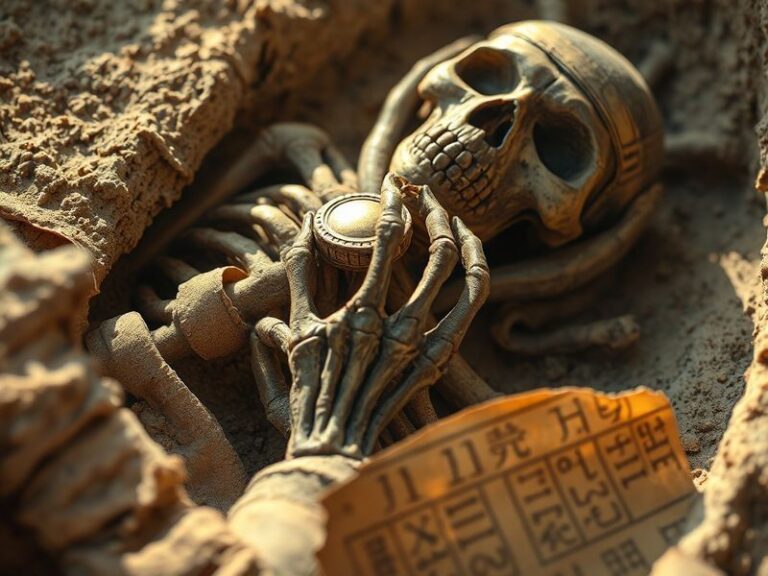
The writing balances exposition with environmental storytelling. Lore is delivered through optional scrolls, NPC dialogues, and even in-game events like executions or festivals. This approach rewards players who take the time to explore, making the world feel alive with untold stories. The game’s themes of loyalty, betrayal, and sacrifice resonate because they’re not just told—they’re shown.
Open-World Design: Exploration with Purpose
Crimson Desert’s world is vast but not empty. Unlike many open-world games that flood maps with filler content, Pearl Abyss focuses on intentional design. Points of interest—ruins, villages, battlefields—are connected by logical paths that respect geography. Travel isn’t just about fast-traveling; it’s about discovering shortcuts, hidden caves, and ambush points that can turn the tide in combat.
Quests are another strength. While the main story is tightly structured, side quests vary in quality. Some stand out for their emotional weight, such as helping a grieving widow find her husband’s lost sword. Others are more mundane, serving primarily as experience grinders. However, the best quests tie into the world’s lore, making exploration feel meaningful rather than obligatory.
For players who enjoy challenges, Crimson Desert offers dynamic events and world bosses that appear randomly. These encounters force adaptation, as players must quickly assess threats and coordinate with allies. The game also includes cooperative multiplayer for up to four players, allowing friends to tackle tougher content together.
What Could Be Improved
No game is perfect, and Crimson Desert has areas where refinement could elevate it further. The inventory system feels outdated, requiring constant management of consumables and crafting materials. Some side quests are repetitive, relying on fetch objectives or simple escort missions. Additionally, the game’s launch was marred by performance issues on PC, including frame rate drops and stuttering, though patches have since improved stability.
Another missed opportunity is the lack of meaningful choices that alter the story. While the world reacts to Macduff’s actions, major plot beats remain fixed. A branching narrative system could have added replayability, especially given the game’s rich setting and characters.
Why Crimson Desert Matters in the Modern Gaming Landscape
Crimson Desert arrives at a time when open-world games are increasingly criticized for bloated design and shallow mechanics. Titles like recent open-world releases often prioritize quantity over quality, filling maps with collectibles and filler content while neglecting depth. Crimson Desert bucks this trend by delivering a cohesive experience where world, combat, and story intersect seamlessly.
The game also highlights the growing ambition of Asian developers. While Western studios like Rockstar and Ubisoft dominate the open-world genre, Pearl Abyss proves that Eastern studios can deliver equally impressive experiences. The success of Crimson Desert could pave the way for more high-budget Asian action RPGs, diversifying the market.
For PC and console players alike, Crimson Desert offers a rare blend of technical prowess and artistic vision. It’s a reminder that games can be both entertainment and art—something that immerses players in a world that feels real, even if it’s fantastical. Whether you’re drawn by its stunning visuals, deep combat, or compelling narrative, Crimson Desert delivers an experience that lingers long after the credits roll.
Final Verdict
Crimson Desert is a must-play for fans of action RPGs and open-world adventures. Its strengths—visual fidelity, responsive combat, and rich storytelling—far outweigh its weaknesses. While not without flaws, it represents a significant leap forward for the genre. For those seeking a game that respects their time and intelligence, Crimson Desert is a standout title worth exploring.
If you’re ready to dive into Pyaios, prepare for a world that demands your attention, rewards your curiosity, and challenges your skills. Crimson Desert isn’t just a game—it’s an experience.