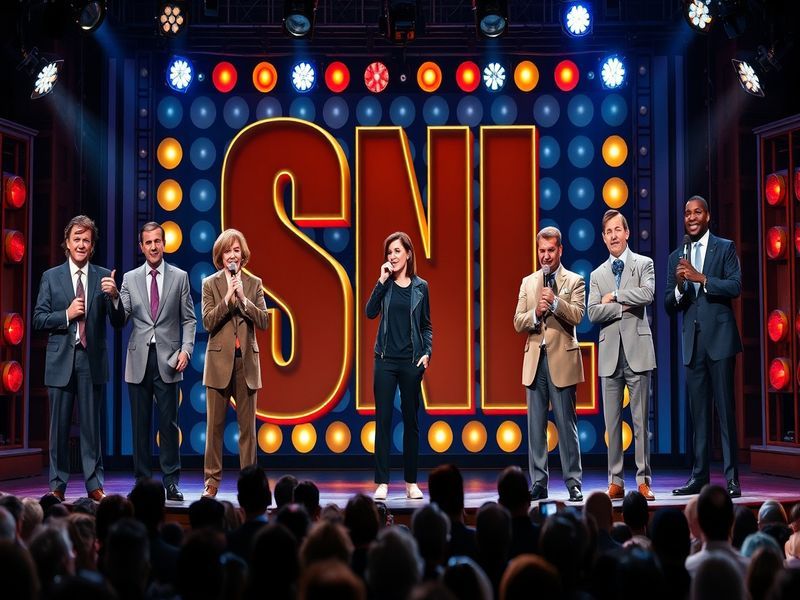
The role of host on Saturday Night Live extends far beyond simply reading lines. These performers shape the show’s DNA each weekend, acting as both audience surrogate and comedic catalyst. Over nearly five decades, the host’s position has evolved from a brief cameo to a pivotal role that can elevate—or occasionally derail—an episode’s success.
What makes a great host? Charisma matters, but so does adaptability. A host must seamlessly transition between sketch comedy, musical performances, and improvisational chaos, often while carrying the weight of live television’s unpredictability. The best hosts don’t just appear on screen; they leave fingerprints on the show’s legacy.
The Evolution of the Host Role: From Cameo to Centerpiece
In SNL’s early years, hosts were often celebrities brought in for name recognition. The show’s original format relied on surprise appearances and musical guests rather than deep comedic integration. However, as the series matured, the host became a narrative force. By the 1980s and 1990s, hosts like Eddie Murphy and Mike Myers transformed the role into a comedic showcase, blending their established personas with the show’s unique energy.
The 2000s introduced a new dynamic: hosts who were former SNL cast members themselves, such as Will Ferrell and Dana Carvey. Their deep understanding of the show’s mechanics allowed for sharper satire and meta-humor. Today, the host’s role is more multifaceted than ever, requiring fluency in meme culture, viral trends, and rapid-fire comedic timing.
Key Shifts in Host Dynamics
- 1970s–1980s: Hosts were primarily celebrities with limited comedic participation.
- 1990s: Comedic actors began dominating, using their stage time for character-driven humor.
- 2000s–2010s: Former cast members brought insider knowledge, blurring the line between host and ensemble.
- 2020s: Social media savvy and viral fame now influence host selection as much as comedic skill.
The Host’s Impact: When the Weekend Stands Still
Not all hosts leave a lasting impression, but the ones who do often share a few traits: they commit fully to the bit, embrace the show’s chaos, and—above all—make the cast look good. John Belushi’s 1976 hosting debut set a high bar, proving that hosts could be as unpredictable as the sketches themselves. Meanwhile, Steve Martin’s 1978 appearance elevated the show’s cultural cachet, proving that hosts could be artists, not just entertainers.
The host’s influence extends beyond the episode’s airdate. A strong host performance can boost ratings, revive a struggling season, or even revive a host’s own career. Conversely, a weak host can make an otherwise solid episode feel disjointed. The 2020 season, for example, saw hosts like Dave Chappelle and Kristen Wiig anchor episodes during a tumultuous time, providing both comfort and levity.
One underrated aspect of the host’s role is their role in bridging gaps between the cast and audience. A host who connects with the material—and the cast—can turn a forgettable episode into appointment television. Conversely, a host who feels disconnected can highlight the show’s limitations, no matter how talented the supporting cast.
Behind the Scenes: The Host’s Survival Guide
Walking into an SNL host gig is like stepping into a pressure cooker. Rehearsals begin days before the live show, with hosts running through sketches, musical numbers, and dress rehearsals under the watchful eyes of the show’s writers and producers. The host’s schedule is grueling: early mornings for script rewrites, late nights for last-minute adjustments, and zero margin for error.
For first-time hosts, the learning curve is steep. Emma Stone, who hosted in 2023, admitted in interviews that she spent weeks preparing for the physical demands of the role, from dancing in rehearsals to memorizing dense dialogue. Even veteran hosts like Ryan Reynolds have spoken about the mental toll, describing the experience as “running a marathon while solving a Rubik’s Cube.”
The host’s relationship with the cast is critical. Many hosts develop close bonds with the featured players, who often feed them lines or improvise during sketches. This dynamic explains why former cast members often excel as hosts—they know the rhythm, the inside jokes, and the unspoken rules of the show.
What It Takes to Survive an SNL Weekend
- Script Flexibility: Hosts must be prepared for last-minute rewrites, often due to current events or network notes.
- Physical Stamina: Long rehearsals, multiple costume changes, and high-energy performances demand peak fitness.
- Chemistry with Cast: The best hosts collaborate seamlessly with the ensemble, even if they’re strangers before the weekend.
- Adaptability to Chaos: Live TV is unpredictable; hosts must roll with technical glitches, missed cues, or unexpected audience reactions.
- Post-Show Resilience: The emotional whiplash of a standing ovation followed by a brutal dressing-down from Lorne Michaels is part of the gig.
The Broader Implications: Why the Host Still Matters
In an era where streaming services and pre-recorded content dominate, SNL remains a relic of live television’s golden age. The host’s role is central to this survival. A strong host can make an episode feel like a must-watch event, drawing viewers who might otherwise skip the show. Conversely, a weak host can make the episode feel like filler, even if the rest of the cast delivers.
The host also serves as a cultural barometer. Who gets chosen—and why—reflects broader trends in comedy, celebrity, and media consumption. In the 2010s, hosts like Donald Glover and Bill Hader signaled the show’s embrace of internet-native humor and absurdist comedy. More recently, hosts like Pete Davidson and Bowen Yang have brought a mix of vulnerability and sharp social commentary, aligning with younger audiences’ tastes.
For aspiring comedians, hosting SNL can be a career-defining moment. It’s a proving ground that tests their range, resilience, and ability to thrive under pressure. For established stars, it’s a chance to reconnect with their comedic roots or reinvent their public persona. And for audiences, it’s a weekly reminder of why live comedy still captivates: because, at its best, it’s unpredictable, unfiltered, and utterly human.
The host’s role may have evolved over the decades, but its core purpose remains unchanged: to anchor the chaos, elevate the humor, and remind us why we still gather around our screens every Saturday night.
For more on the intersection of comedy and live television, explore our Entertainment and Culture sections.