Donald Trump and TSA: A Complex Relationship
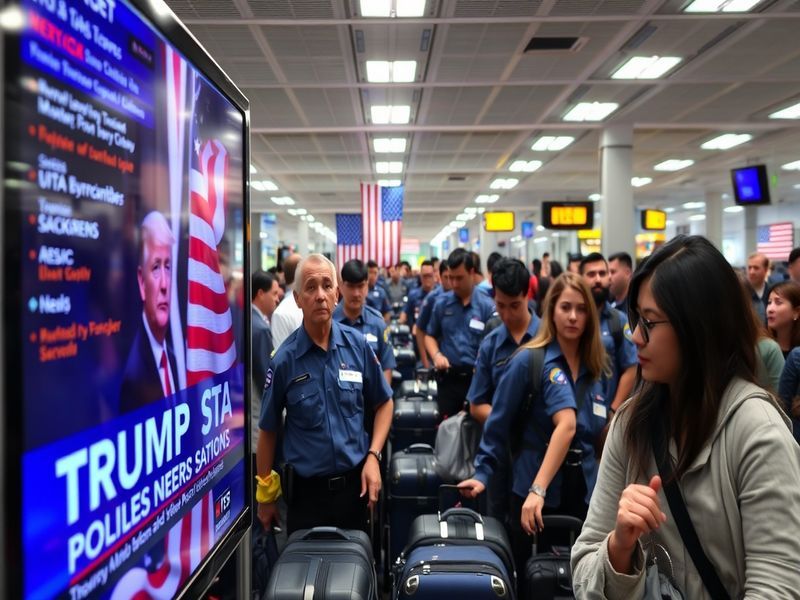
The Transportation Security Administration (TSA) has been a focal point of discussion throughout Donald Trump’s presidency. The agency, which was formed in response to the September 11 attacks, plays a crucial role in ensuring the safety and security of travelers in the United States. Trump’s approach to national security and immigration issues has had significant implications for the TSA’s operations and policies.
Policy Changes Under Trump Administration
During Trump’s time in office, several policies were implemented that directly impacted the TSA. These changes were often controversial and sparked various reactions from the public and experts alike. Key policy shifts included:
- Increased Security Measures: Enhanced screening procedures were introduced at airports, including stricter checks on electronic devices and more thorough pat-downs.
- Travel Bans: The controversial travel bans on several predominantly Muslim countries led to heightened tensions at airports and among TSA personnel.
- Focus on Immigration: The administration’s hardline stance on immigration resulted in increased scrutiny of travelers, which raised concerns about racial profiling and civil liberties.
These policies aimed to bolster national security but also raised questions about the balance between safety and personal freedoms. Critics argued that some measures were overly invasive, while supporters believed they were necessary to protect the public.
Impact on Travelers
The changes implemented during Trump’s presidency had a significant effect on the traveling public. For many, airport experiences became increasingly stressful. The combination of heightened security protocols and the political climate surrounding travel created an atmosphere of uncertainty. Travelers faced longer wait times and more rigorous inspections, which led to frustration and anxiety.
Moreover, the travel bans had a profound impact on families and individuals attempting to visit the U.S. Many faced delays, denials, and confusion regarding their travel plans. The ripple effects of these policies were felt not only by those directly affected but also by the tourism industry, which saw fluctuations in international travel.
Public Perception and Criticism
Trump’s policies concerning the TSA were met with mixed reactions. Supporters praised his commitment to national security, arguing that the measures were necessary to prevent potential threats. On the other hand, critics highlighted concerns regarding discrimination and the erosion of civil liberties.
One notable aspect of the criticism was the perception that the TSA was being politicized. Concerns arose that the agency’s primary focus on security was being overshadowed by political agendas. This led to debates about the TSA’s role in upholding both safety and the rights of passengers.
Looking Forward
As the political landscape continues to evolve, the future of the TSA remains uncertain. The agency will likely continue to adapt its policies in response to changing governmental priorities and public sentiment. The lessons learned during the Trump administration may inform future approaches to airport security and traveler rights.
Moreover, as technology advances, the TSA may explore new methods for ensuring safety without compromising efficiency. Innovations in screening processes and data analysis could play a role in shaping the agency’s direction moving forward.
Conclusion
Donald Trump’s presidency has undeniably influenced the TSA and its operations. The policies implemented during this time have sparked significant debate regarding the balance between national security and individual rights. As we look ahead, the TSA will need to navigate these complex issues while striving to maintain the safety of travelers across the nation.
For more insights on travel and security, visit our Travel and News sections for the latest updates and analyses.