Understanding the Recent Safeway Closures
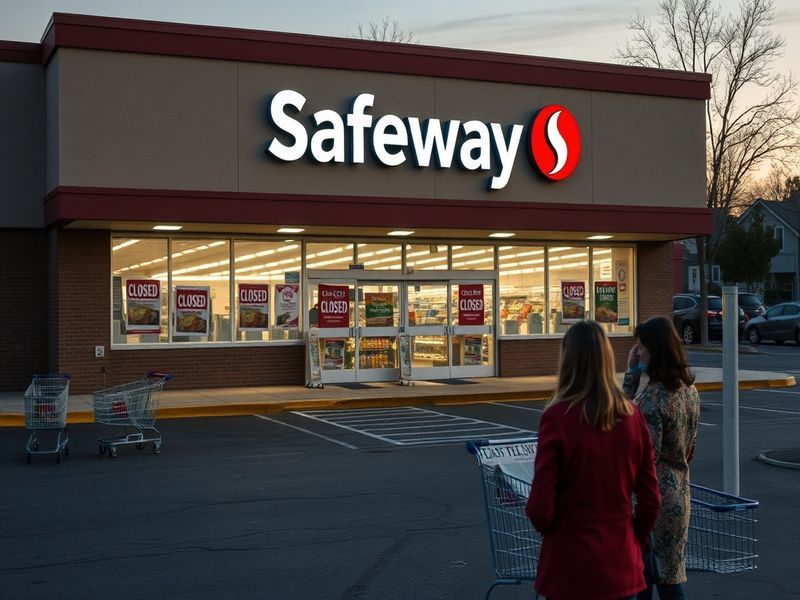
Safeway, a prominent name in the grocery retail sector, has recently announced a series of store closures across various regions. This decision has raised eyebrows and prompted discussions about the factors influencing such a significant move. In this article, we will explore the reasons behind these closures, their broader implications, and what they mean for the future of grocery retail.
Reasons Behind the Closures
Several factors have contributed to Safeway’s decision to close some of its locations. Economic pressures, shifts in consumer behavior, and the competitive landscape of grocery retail all play a role. Here are some key points to consider:
- Financial Performance: Many Safeway stores have reported declining sales, leading to unsustainable operating costs.
- Increased Competition: The rise of discount grocery chains and online grocery shopping has intensified competition.
- Changing Consumer Preferences: More shoppers are opting for fresh and organic products, which may not be the focus of traditional Safeway stores.
- Operational Costs: Rising labor and supply chain costs have put additional strain on profitability.
Broader Implications for the Grocery Sector
The closures of Safeway stores are not merely an isolated incident; they reflect broader trends in the grocery sector. As traditional retailers face stiff competition from both discount chains and online platforms, they must adapt to survive. This shift can have several implications:
- Store Formats Evolving: Grocery chains may need to reevaluate their store formats, focusing on smaller, more efficient locations.
- Increased Emphasis on Online Shopping: Retailers are likely to invest more in their e-commerce platforms to meet changing consumer demands.
- Partnerships and Collaborations: Collaborating with delivery services can help traditional retailers stay relevant.
- Focus on Customer Experience: Enhancing in-store experiences and offering unique products can help draw customers back.
Contextualizing Safeway’s Decisions
The closures are taking place within the context of a rapidly changing retail environment. The COVID-19 pandemic accelerated shifts that were already in motion, such as the rise of online grocery shopping and the increasing popularity of meal kit services. Consumers are now more inclined to seek convenience and value, pushing retailers to adapt accordingly.
Moreover, Safeway’s closures may serve as a cautionary tale for other grocery chains. As the retail landscape continues to evolve, staying attuned to consumer preferences and market trends is crucial. Failure to do so can lead to a decline in market share, as seen with Safeway.
Conclusion
In conclusion, the recent closures of Safeway stores highlight significant challenges facing traditional grocery retailers. Economic pressures, changing consumer preferences, and increased competition are reshaping the grocery landscape. While these closures may be disheartening for employees and loyal customers, they also present an opportunity for the grocery sector to innovate and adapt. By embracing new business models and focusing on customer needs, retailers can position themselves for future success. For more insights on grocery trends, visit our Business and News sections.