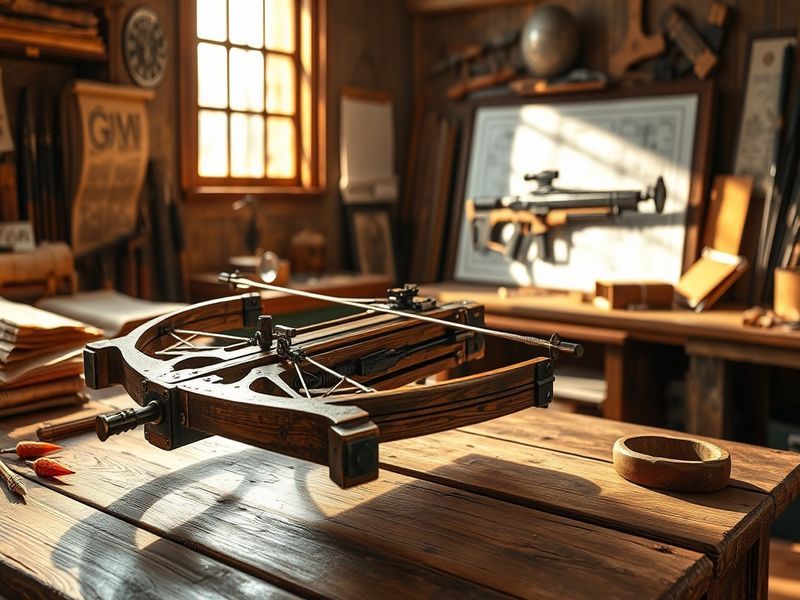
The History and Evolution of Crossbows
The crossbow has a rich and storied history, dating back to ancient civilizations. Originally developed in China around the 5th century BC, this weapon was designed to provide greater accuracy and ease of use compared to traditional longbows. It quickly gained popularity across Asia and Europe, becoming a staple in warfare and hunting.
Throughout the centuries, crossbows underwent significant changes in design and functionality. Early models featured a simple mechanism, but advancements led to more complex systems, including the use of windlasses and cranks for easier loading. By the medieval period, crossbows had become a formidable force on the battlefield, often favored for their ability to penetrate armor.
Modern Crossbows: Technology and Use
Today, crossbows are utilized in various sectors, from hunting to recreational shooting. Modern advancements have transformed these weapons, making them more efficient and user-friendly. Key features of contemporary crossbows include:
- Materials: Lightweight composites and aluminum make crossbows easier to handle.
- Scopes: Optical sights improve accuracy, allowing for precise targeting.
- Safety Features: Enhanced safety mechanisms prevent accidental discharges.
- Draw Weight: Adjustable draw weights cater to different users, enhancing versatility.
These innovations have broadened the appeal of crossbows, attracting enthusiasts who appreciate both the sport and the challenge of mastering this ancient weapon. Additionally, crossbows are becoming increasingly popular in hunting due to their stealth and effectiveness, allowing hunters to take down game from a distance.
Legal and Ethical Considerations
The rise in crossbow usage has sparked discussions around legal regulations and ethical hunting practices. Different regions have varying laws regarding crossbow use, particularly concerning hunting seasons and licenses. It is crucial for users to be aware of these regulations to ensure responsible use.
Ethically, hunters must consider the impact of their practices on wildlife populations and ecosystems. Responsible hunters advocate for:
- Adhering to local hunting laws and regulations.
- Practicing humane kills to minimize suffering.
- Engaging in sustainable hunting practices to protect wildlife habitats.
These considerations are essential for maintaining the balance between enjoying the sport and preserving natural resources for future generations.
The Future of Crossbows
As technology continues to advance, the future of crossbows looks promising. Innovations in materials science and engineering may lead to even lighter, more powerful models. Furthermore, the integration of digital technology, such as smart scopes and apps for tracking performance, could redefine how enthusiasts engage with crossbows.
Moreover, the growing interest in archery and crossbow sports indicates a potential increase in community engagement. Organizations dedicated to promoting these activities are likely to expand, fostering a sense of camaraderie among users and encouraging responsible practices.
In conclusion, the crossbow remains a fascinating weapon with a legacy that spans centuries. Its evolution from a simple mechanism to a sophisticated tool reflects broader trends in technology and society. As we look ahead, the balance between innovation, legal frameworks, and ethical considerations will shape the future of crossbows and their role in both sport and hunting.