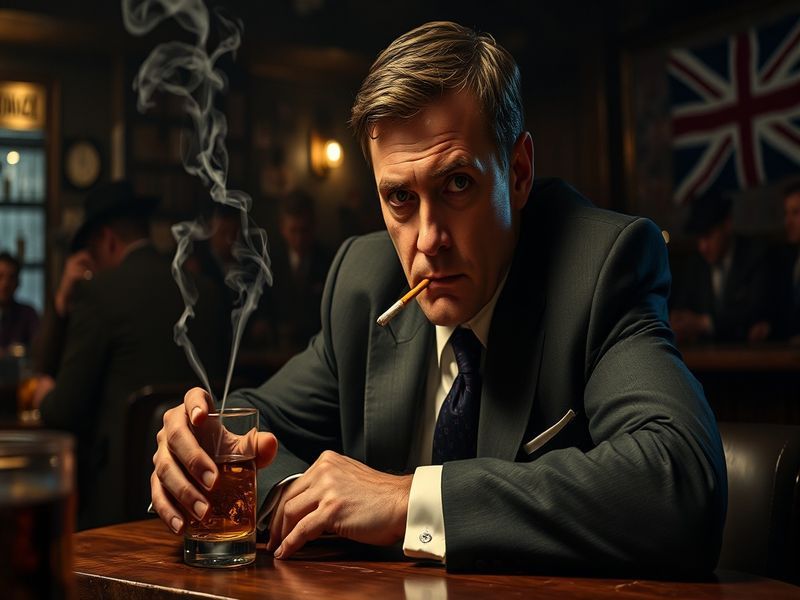
Exploring the Depth of Arthur Shelby in Peaky Blinders
The Complex Character of Arthur Shelby in Peaky Blinders
Arthur Shelby, portrayed by Paul Anderson, is one of the most compelling characters in the acclaimed series “Peaky Blinders.” Set in post-World War I Birmingham, the show delves into the lives of the Shelby family, a gang involved in various illegal activities. Arthur’s character is multifaceted, often oscillating between loyalty, brutality, and vulnerability.
As the eldest Shelby brother, Arthur’s role within the gang is pivotal. He embodies the violent and ruthless nature of the Peaky Blinders, yet he also grapples with the psychological scars left by the war. This duality makes him one of the most intriguing figures in the series.
Key Traits of Arthur Shelby
Arthur’s character can be examined through several key traits that define his actions and decisions throughout the series:
- Brutality: Arthur is often the muscle of the Peaky Blinders, executing violent acts without hesitation.
- Loyalty: His unwavering loyalty to his family often drives his actions, even when they lead to destructive outcomes.
- Vulnerability: Beneath his tough exterior lies a man deeply affected by trauma, struggling with his mental health.
- Leadership Struggles: As a leader, he often battles with his own demons, questioning his place within the gang.
The Impact of War on Arthur Shelby
Arthur’s character is heavily influenced by his experiences in World War I. The war left many soldiers grappling with post-traumatic stress disorder (PTSD), and Arthur is no exception. His violent tendencies can often be traced back to the horrors he witnessed on the battlefield. This connection between his past and present actions adds depth to his character.
Throughout the series, viewers witness Arthur’s struggle to cope with the psychological aftermath of war. His violent outbursts often serve as a coping mechanism, reflecting the broader societal issues of mental health that were prevalent during the time. In a historical context, Arthur’s character resonates with many veterans who faced similar challenges upon returning home.
The Symbolism of Arthur Shelby
Arthur Shelby represents more than just a gang member; he symbolizes the internal conflict many face when balancing familial loyalty with personal demons. His relationship with his brother, Thomas Shelby, is particularly significant. While Thomas is often viewed as the strategic mind behind the gang, Arthur is the embodiment of raw emotion and impulsiveness.
This dynamic raises questions about the nature of leadership and the burdens carried by those in power. Arthur’s struggles highlight the often-hidden costs of loyalty and ambition. The series portrays how these traits can lead to both personal destruction and the preservation of family ties.
Conclusions on Arthur Shelby’s Role in Peaky Blinders
Arthur Shelby is a complex character whose journey throughout “Peaky Blinders” offers a rich narrative filled with themes of loyalty, trauma, and the search for identity. His portrayal serves as a reflection of the broader implications of war on mental health, particularly in the context of early 20th-century society.
As viewers continue to engage with the series, Arthur’s character stands out as a reminder of the struggles many face in reconciling their past with their present. His story is not just one of violence and crime; it is also a poignant exploration of the human condition, making “Peaky Blinders” a remarkable piece of storytelling.
For more insights on character analysis and entertainment, visit our Entertainment section or explore our Culture page for broader discussions.