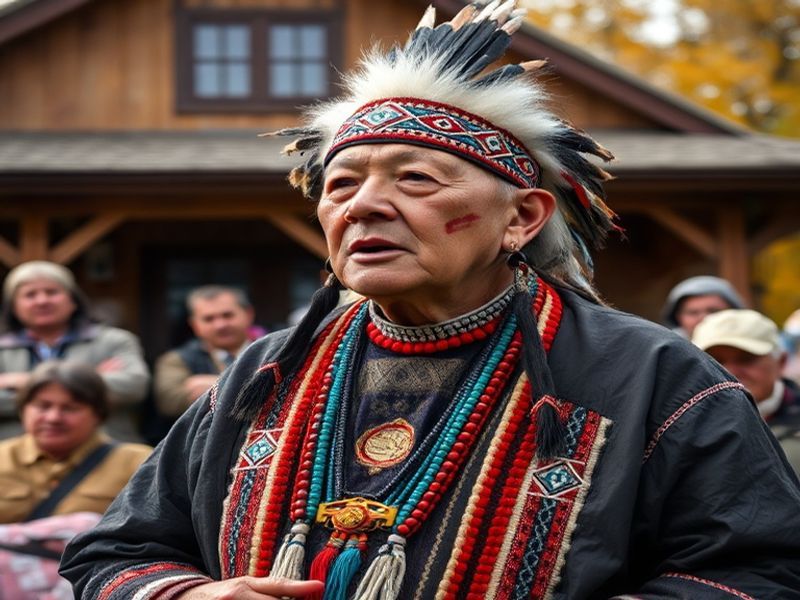
The Potawatomi people have shaped the cultural and historical landscape of the Great Lakes region for centuries. As one of the original tribes of the Council of Three Fires, their story is woven into the fabric of North America’s indigenous heritage. From their migration patterns to their modern-day activism, the Potawatomi offer a compelling narrative of resilience and adaptation.
Their journey spans centuries, marked by both conflict and cooperation with European settlers, forced removals, and a persistent fight for sovereignty. Today, the Potawatomi are not just a relic of the past but a living, thriving community with a vibrant cultural presence. Understanding their history provides insight into the broader struggles and triumphs of Indigenous peoples in the United States.
The Historical Roots of the Potawatomi
The Potawatomi, whose name means “People of the Place of the Fire,” originally inhabited the Great Lakes region, particularly around present-day Michigan, Wisconsin, and Illinois. Archaeological and oral histories suggest their presence in the area dates back over a thousand years. Their society was organized into clans, each with distinct roles in governance, warfare, and daily life.
By the 17th century, European contact transformed their world. The Potawatomi became key players in the fur trade, forming alliances with both French and British traders. Their strategic location made them crucial intermediaries between Indigenous nations and European settlers. However, this period also brought devastating consequences, including disease, displacement, and cultural erosion.
One of the most pivotal moments in Potawatomi history was their forced removal in the 19th century. Following the 1833 Treaty of Chicago, the U.S. government relocated many Potawatomi communities to lands west of the Mississippi River. The cultural displacement that followed was profound, yet the Potawatomi’s determination to preserve their identity never wavered.
Key Historical Milestones
- Pre-1600s: Potawatomi establish settlements around the Great Lakes, developing a rich agricultural and hunting society.
- 1600s-1700s: The tribe engages in the fur trade, forming alliances with European settlers while navigating political tensions.
- 1833: The Treaty of Chicago leads to the forced removal of many Potawatomi to Kansas and Oklahoma.
- 1867: A group of Potawatomi, led by Chief Metea, successfully petitions for a reservation in Mayetta, Kansas.
- 1930s-1940s: The Indian Reorganization Act helps restore some tribal governance structures.
- 2000s-Present: The Potawatomi expand economic ventures, including gaming and cultural tourism, while advocating for Indigenous rights.
The Potawatomi Today: Sovereignty and Cultural Revival
Modern Potawatomi communities are a testament to resilience. The tribe operates under a self-governing structure, with federally recognized bands in Michigan, Wisconsin, Oklahoma, Kansas, and Ontario. These communities have developed robust systems for education, healthcare, and economic development while preserving traditional practices.
One of the most visible ways the Potawatomi maintain their cultural identity is through language revitalization. The Potawatomi language, part of the Algonquian language family, was nearly lost due to assimilation policies. Today, programs like the Potawatomi Language Revitalization Project teach younger generations the language through immersion schools and digital resources. Efforts like these highlight the tribe’s commitment to reclaiming what was once suppressed.
Economic initiatives have also played a crucial role in the Potawatomi’s modern success. Tribal enterprises, particularly gaming operations, have provided financial stability while funding cultural and social programs. For example, the Forest County Potawatomi Community in Wisconsin operates multiple businesses, from casinos to manufacturing, which generate revenue for tribal welfare and education.
The Broader Implications of Potawatomi History
The Potawatomi experience reflects broader themes in Indigenous history: resilience in the face of displacement, the fight for sovereignty, and the ongoing struggle to preserve cultural heritage. Their story is not unique but emblematic of the challenges faced by many Native American tribes. However, the Potawatomi have also demonstrated innovative strategies for adaptation and growth, offering lessons for other communities and policymakers alike.
One significant aspect of the Potawatomi’s influence is their role in environmental stewardship. Traditional ecological knowledge, passed down through generations, emphasizes sustainable land management. Today, many Potawatomi-led initiatives focus on conservation, such as the restoration of native plant species and the protection of water resources. These efforts align with broader movements toward Indigenous-led environmental justice, which recognize the deep connection between Indigenous communities and their ancestral lands.
The Potawatomi’s story also intersects with contemporary debates about reparations and land acknowledgments. Many institutions and organizations are now recognizing the historical injustices faced by Indigenous peoples, including the Potawatomi. Land acknowledgments, which recognize the Indigenous history of a place, have become more common in academic, governmental, and cultural settings. While these gestures are a step toward reconciliation, the Potawatomi and other tribes continue to advocate for tangible reparations, such as land repatriation and financial compensation for past wrongs.
Why the Potawatomi Matter in the 21st Century
The Potawatomi’s legacy extends beyond history books. Their cultural revival, economic achievements, and environmental initiatives serve as models for Indigenous communities worldwide. Their story challenges the narrative of Indigenous peoples as passive victims of history, instead showcasing their agency and ingenuity in shaping their futures.
For non-Indigenous audiences, engaging with Potawatomi history offers an opportunity to confront uncomfortable truths about colonization while celebrating the enduring strength of Indigenous cultures. It’s a reminder that the Great Lakes region—and indeed all of North America—was shaped by diverse Indigenous nations long before European arrival. Recognizing this history is not just an academic exercise but a necessary step toward true reconciliation.
As the Potawatomi continue to thrive, their journey invites reflection on what it means to preserve identity in a rapidly changing world. Their ability to adapt while staying rooted in tradition offers hope and inspiration, proving that cultural heritage is not a relic of the past but a living, evolving force.
Looking Ahead: The Potawatomi’s Future
The next chapter for the Potawatomi will likely focus on three key areas:
- Language and Education: Expanding language immersion programs to ensure the next generation remains fluent in Potawatomi.
- Economic Innovation: Diversifying tribal enterprises to create sustainable revenue streams while supporting community welfare.
- Environmental Leadership: Strengthening Indigenous-led conservation efforts to address climate change and protect sacred lands.
By investing in these areas, the Potawatomi are not only securing their future but also contributing to broader conversations about Indigenous rights, environmental justice, and cultural preservation. Their story is far from over—it’s a work in progress, one that continues to inspire and challenge us all.
The Potawatomi remind us that history is not a static record but a dynamic narrative shaped by those who live it. Their resilience, creativity, and determination offer a powerful example of how communities can overcome adversity and thrive. As we move forward, their story challenges us to listen, learn, and advocate for a more just and inclusive world.