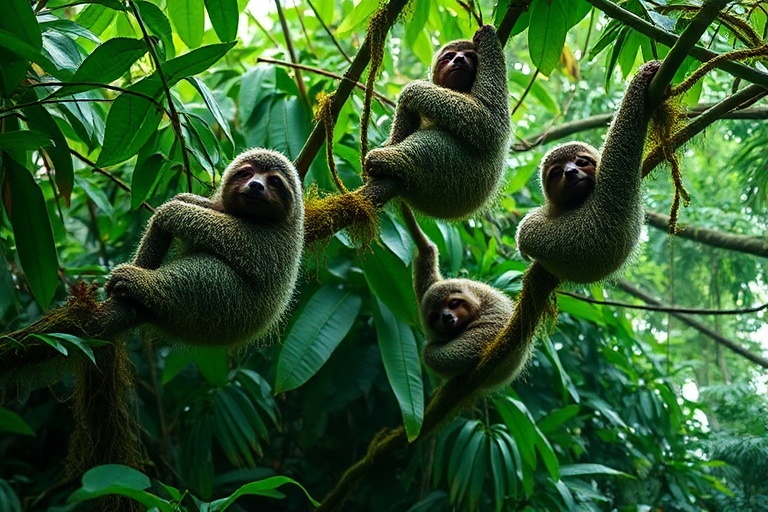
Why Sloths Are the Unexpected Icons of Internet Culture
In the vast ecosystem of internet culture, few creatures have clawed their way to dominance quite like the sloth. These tree-dwelling mammals, known for their leisurely pace and perpetual smiles, have transcended their biological classification to become a global symbol of relaxation and humor. From viral videos to branded merchandise, the sloth has evolved into a cultural icon, but its rise raises questions about why modern audiences are so captivated by such a slow-moving animal.
The sloth’s appeal isn’t accidental. Its deliberate movements and tranquil demeanor contrast sharply with the frenetic pace of contemporary life, offering a form of escapism. Social media platforms have amplified this phenomenon, turning sloths into ambassadors of mindfulness in an increasingly hectic world. But the sloth’s popularity extends beyond mere aesthetics—it reflects deeper societal shifts in how we perceive productivity, leisure, and even environmental conservation.
The Science Behind the Sloth’s Viral Success
Sloths belong to the order Pilosa and are native to Central and South American rainforests. There are six extant species, ranging from the tiny pygmy three-toed sloth to the larger Hoffmann’s two-toed sloth. Their slow metabolism—roughly 40% to 45% slower than similar-sized mammals—allows them to conserve energy, a trait that has ironically fueled their internet fame.
Scientists attribute the sloth’s appeal to several biological and behavioral quirks:
- Facial Structure: The permanent “smile” created by their facial muscles makes them appear perpetually content, even when they’re not actively expressing emotion.
- Rarity in the Wild: Many sloth species are endangered or vulnerable, adding an element of exclusivity to their public image.
- Relatability: Their sluggish movements mirror the exhaustion felt by overworked individuals, making them a sympathetic figure in stressful times.
- Photogenic Nature: Their fluffy fur, large eyes, and occasional clumsy interactions with their environment create visually engaging content.
Researchers have also noted that sloths trigger a “cuteness response” in humans, thanks to their small size, round faces, and gentle demeanor. This neurological reaction, linked to the release of dopamine and oxytocin, explains why sloth content often garners high engagement rates on platforms like Instagram and TikTok.
The Sloth as a Cultural Mirror
The sloth’s rise to internet stardom isn’t just about biology—it’s a reflection of cultural values. In an era dominated by hustle culture and productivity porn, the sloth serves as a counter-narrative, celebrating slowness as a virtue. Brands have capitalized on this trend, using sloth imagery to promote everything from meditation apps to eco-friendly products.
Consider the following examples of sloths permeating mainstream culture:
- Merchandise: Sloth-themed clothing, accessories, and home decor have become a multi-million-dollar industry, with Etsy and Amazon sellers leading the charge.
- Entertainment: Animated films like Slowpoke and documentaries such as The Secret Life of Sloths have introduced sloths to new audiences.
- Social Media: Accounts like @slothlifeofficial and @sloth_therapy boast millions of followers, sharing curated content that reinforces the sloth’s chill persona.
- Wellness Industry: Sloths are often featured in mindfulness campaigns, symbolizing the importance of slowing down and appreciating the present moment.
This phenomenon also intersects with broader environmental movements. As deforestation and climate change threaten sloth habitats, their internet fame has inadvertently raised awareness about conservation efforts. Organizations like the Sloth Conservation Foundation have leveraged social media to fundraise and educate the public on protecting these unique creatures.
The Dark Side of Sloth Hype
While the sloth’s popularity has undeniable benefits, it’s not without drawbacks. The commercialization of sloth imagery has led to ethical concerns, particularly regarding the treatment of captive sloths in tourist attractions. Many facilities market themselves as “sloth sanctuaries” but operate as profit-driven enterprises where animals are stressed by constant human interaction.
Additionally, the sloth’s exaggerated internet persona risks oversimplifying its ecological role. Sloths are vital to their ecosystems—they disperse seeds, fertilize trees with their algae-covered fur, and serve as prey for harpy eagles and jaguars. Reducing them to mere symbols of laziness overlooks their biological significance.
Another concern is the potential for “sloth fatigue.” As with any viral trend, there’s a risk that overexposure could dilute the creature’s appeal, turning it into a cliché rather than a meaningful cultural touchstone. The key to sustaining interest lies in authentic storytelling that highlights both the sloth’s charm and its ecological importance.
What’s Next for Sloth World?
The future of the sloth’s internet empire will likely depend on how its image evolves. One possibility is a deeper integration with environmental activism, where sloths become ambassadors for rainforest conservation. Alternatively, the trend could splinter into niche communities, with subcultures adopting sloth imagery for specific purposes—think sloths in gaming, sloths in fashion, or sloths in mental health advocacy.
For now, the sloth remains a potent symbol of balance in an unbalanced world. Its story reminds us that speed isn’t the only measure of success and that sometimes, the most profound lessons come from the slowest creatures.
For those looking to explore more about niche internet trends and their broader implications, Dave’s Locker Trending offers curated insights into the latest viral phenomena. Meanwhile, Dave’s Locker Culture delves into the intersection of digital trends and societal shifts.
“The sloth’s internet fame is more than a fleeting trend—it’s a reflection of our collective yearning for balance in a fast-paced world.”
As the sloth continues to climb the ranks of internet stardom, one thing is clear: its story is far from over. Whether as a mascot for mindfulness or a symbol of ecological fragility, the sloth has secured its place in the digital pantheon—and it’s not going anywhere anytime soon.