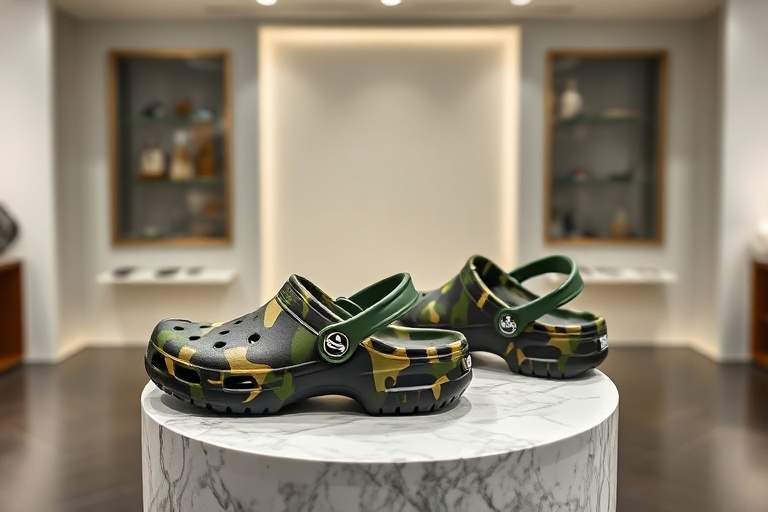
How Bape and Crocs Created a Cultural Sensation
The fashion world thrives on unexpected collaborations, but few have captured global attention like the union between A Bathing Ape (Bape) and Crocs. What began as a niche crossover for sneakerheads and comfort enthusiasts has evolved into a cultural touchstone, blending high fashion with the irreverent, accessible ethos of streetwear. This unlikely pairing didn’t just happen overnight—it reflects broader shifts in how brands engage with consumers, prioritize sustainability, and redefine luxury.
The Genesis of a Streetwear-Casual Fusion
Bape, founded in 1993 by Nigo in Tokyo, built its reputation on bold graphics, limited-edition drops, and a cult-like following in hip-hop, skate, and underground fashion scenes. Known for its shark hoodies, camo prints, and statement sneakers, Bape became synonymous with exclusivity and self-expression. Crocs, on the other hand, emerged in the early 2000s as a utilitarian footwear brand, prized for its lightweight, waterproof clogs and orthopedic support.
Their collaboration began in 2020, during a global pandemic that redefined priorities in fashion. Comfort became king, and Crocs—once dismissed as a “dad shoe”—experienced a meteoric resurgence. Bape’s creative director at the time, Edwin Fae, saw an opportunity to merge streetwear’s aesthetic with Crocs’ casual functionality. The result was a series of limited-edition Bape x Crocs clogs adorned with the brand’s signature shark motifs, camouflage patterns, and bold colorways like Bubblegum Pink and Black.
These weren’t just accessories—they were statements. The collab blurred the line between high fashion and everyday wear, a trend increasingly embraced by luxury houses and streetwear labels alike. It also highlighted how comfort and style were no longer mutually exclusive, a shift accelerated by remote work, digital culture, and the rise of “athleisure” as a lifestyle.
A Global Phenomenon with Roots in Digital Culture
The Bape x Crocs collaboration resonated across continents, from Tokyo’s Harajuku district to New York’s SoHo and Seoul’s Hongdae. Social media played a pivotal role in its spread. TikTok creators showcased unboxings, styling tips, and even DIY modifications, while Instagram influencers paired the clogs with tailored suits, streetwear fits, and evening wear. The visual contrast—luxury branding against the humble clog—created a meme-worthy tension that fueled virality.
In cities like Los Angeles and London, the shoes became a status symbol among Gen Z and millennials, not for their price tag, but for their cultural cachet. Unlike traditional luxury goods, these clogs were accessible. They retailed for around $60–$100, far below the price of a designer sneaker, yet carried the prestige of a Bape collaboration. This democratization of streetwear luxury has become a defining trait of contemporary fashion.
The global appeal extended beyond fashion into music and sports. Rappers like A$AP Rocky and Lil Uzi Vert were spotted wearing the clogs, embedding them into hip-hop culture. Even professional athletes began integrating them into off-duty looks, further normalizing the style. The shoes became more than footwear; they were a cultural artifact, reflecting a generation’s rejection of rigid dress codes in favor of individuality and comfort.
Why This Collab Matters Beyond the Shoe
The Bape x Crocs partnership is more than a viral trend—it signals a fundamental rethinking of what luxury and exclusivity mean in the 21st century. Traditional luxury brands often rely on scarcity, high prices, and heritage to justify their value. But Bape and Crocs proved that exclusivity could be redefined through creativity, community, and cultural relevance.
This collab also underscored the growing influence of Japanese streetwear on global fashion. Bape’s aesthetic—rooted in 1990s hip-hop, skate culture, and anime—has long been a touchstone for designers worldwide. By partnering with Crocs, a brand with American roots but a global user base, Bape extended its reach into new demographics, particularly among younger consumers who value authenticity over tradition.
Moreover, the collaboration highlighted sustainability as a key driver in modern fashion. Crocs’ material—Croslite, a proprietary foam—is durable, recyclable, and lightweight. Bape’s use of upcycled fabrics and limited drops aligned with the growing demand for eco-conscious fashion. While not a perfect solution, the collab demonstrated how brands could merge style with sustainability in ways that resonate with conscious consumers.
What’s Next for Bape Crocs and the Future of Fashion
As of 2024, Bape and Crocs continue to explore new iterations of their partnership, including seasonal colorways and accessories like charms and socks. The success of the collab has also inspired other unlikely pairings, from luxury houses collaborating with athletic brands to tech companies entering the fashion space. The message is clear: the future of fashion lies in experimentation and cross-disciplinary creativity.
For consumers, the Bape Crocs phenomenon offers a reminder that style doesn’t have to be rigid or exclusionary. It can be playful, accessible, and deeply personal. Whether worn with sweatpants, tailored trousers, or layered with socks and sandals, these clogs challenge conventional fashion norms and celebrate individual expression.
Looking ahead, the legacy of Bape Crocs may lie not in the shoes themselves, but in what they represent: the convergence of comfort and creativity, luxury and levity, tradition and innovation. In an industry often criticized for its elitism and wastefulness, this collab stands as a testament to fashion’s potential for inclusivity and joy.
For those looking to dive deeper into the world of fashion collaborations, explore our Fashion section, where we track the latest trends and cultural shifts shaping the industry.
Key Takeaways from the Bape x Crocs Phenomenon
- Cultural Fusion: The collaboration bridged streetwear, luxury, and casual wear, appealing to a diverse audience.
- Digital Virality: Social media amplified the shoes’ reach, turning them into a global talking point.
- Accessible Luxury: The collab demonstrated that high cultural value doesn’t require high prices.
- Sustainability Angle: The use of durable materials aligned with growing consumer demand for eco-friendly fashion.
- Influence on Future Collabs: The success of Bape Crocs has paved the way for more experimental partnerships in fashion.
In the end, the Bape Crocs story is about more than a shoe—it’s about how fashion evolves when brands listen to their communities and embrace the unexpected. It’s a reminder that style, at its best, is not about following rules, but about breaking them.