From Stratford to Stardom: Justin Bieber’s Humble Beginnings
Justin Bieber’s journey to global fame began in the unassuming town of Stratford, Ontario, Canada. Born on March 1, 1994, Bieber spent his early years in a modest household with his mother, Patricia “Pattie” Mallette. Financial struggles were a constant reality, but they were met with an unyielding determination to create stability for her son. Mallette worked multiple jobs while ensuring Bieber attended school and nurtured his early passion for music.
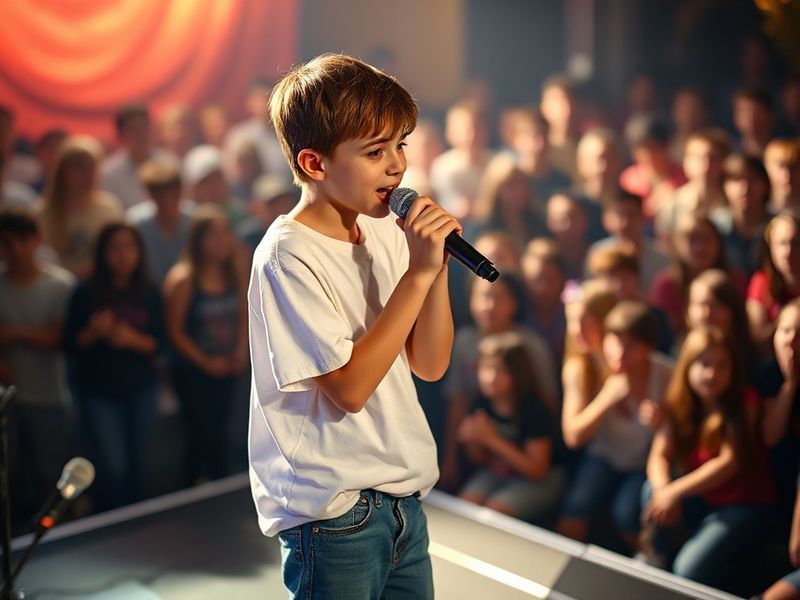
Bieber’s musical inclinations emerged early. At age two, he taught himself to play instruments like the drums, piano, and guitar by watching others and experimenting. His mother recognized his talent and began posting videos of his performances online. These clips, often filmed on a flip phone, would later become the catalyst for his career. By age 12, Bieber had entered a local singing competition, where his rendition of Ne-Yo’s “So Sick” caught the attention of talent manager Scooter Braun. The rest, as they say, is history.
The Rise of a Teenage Icon: How a YouTube Sensation Became a Global Force
Before social media dominated entertainment, Bieber’s mother uploaded his cover songs to YouTube as a way to share his talent with family. Unbeknownst to her, these videos began attracting viewers from around the world. Braun discovered Bieber’s channel in 2008 and quickly arranged for the young singer to meet pop legend Usher in Atlanta. Within months, Bieber signed with Raymond Braun Media Group (RBMG) and Island Def Jam Music Group.
His debut single, “One Time,” released in 2009, catapulted Bieber into the spotlight. The song’s catchy melody and Bieber’s youthful charm resonated with a global audience, particularly teenagers. His debut album, My World, dropped later that year, selling over 13 million copies worldwide. Bieber wasn’t just a singer; he became a cultural symbol. His signature hairstyle, high-pitched vocals, and boy-next-door persona made him a magnet for both admiration and critique.
By 2010, Bieber was the youngest solo male artist to top the Billboard 200 since Stevie Wonder. His 2010 tour, My World Tour, drew massive crowds, and his collaboration with Jazmine Sullivan on “Baby” became a defining hit of the era. Yet, his rapid ascent also brought intense scrutiny, a challenge that would define much of his adolescence.
Cultural Impact: How Justin Bieber’s Childhood Influenced His Music and Persona
Bieber’s early life experiences deeply shaped his artistry. Growing up in a working-class neighborhood, he often sang about love, heartbreak, and the pressures of fame—themes that resonated with his fanbase, the “Beliebers.” His 2011 album Under the Mistletoe showcased a more vulnerable side, while Believe (2012) marked a deliberate shift toward a mature sound, reflecting his transition from child star to young adult.
Culturally, Bieber’s rise paralleled the explosion of social media in the late 2000s. Platforms like YouTube, Twitter, and Instagram allowed fans to feel intimately connected to him, blurring the lines between celebrity and personal life. His public struggles—legal troubles, feuds, and health scares—became tabloid fodder, but they also humanized him. This duality made Bieber more than just a pop star; he became a mirror reflecting the complexities of youth in the digital age.
Globally, Bieber’s influence extended beyond music. In 2011, he became the first artist to have five songs debut simultaneously on the Billboard Hot 100. His 2012 Believe Tour sold out stadiums worldwide, from Tokyo to Toronto. Yet, his impact wasn’t limited to sold-out shows. Bieber’s collaborations with artists like Ludacris and Skrillex bridged pop, hip-hop, and electronic genres, further cementing his role as a genre-defying icon.
The Belieber Phenomenon: A Fanbase Like No Other
The dedication of Bieber’s fanbase cannot be overstated. The Beliebers, known for their organized online campaigns, played a pivotal role in boosting his visibility. They created fan accounts, streamed his music relentlessly, and even organized flash mobs in support of his tours. This level of fandom was unprecedented, setting the stage for how modern pop stars engage with their audiences.
Bieber’s relationship with his fans has always been symbiotic. In return for their unwavering support, he often interacted with them directly through social media, giving them a sense of ownership over his career. This connection fostered a loyalty that endured even during his most publicized controversies.
Lessons from Justin Bieber’s Childhood: Resilience, Sacrifice, and Reinvention
Bieber’s story is one of resilience. Despite his early success, he faced challenges that could have derailed his career. Legal issues, public scrutiny, and personal struggles tested his strength. Yet, he consistently reinvented himself—from pop sweetheart to R&B-infused artist to a more introspective songwriter in recent years.
His 2021 album Justice marked another evolution, blending vulnerability with maturity. Songs like “Peaches” and “Stay” reflected his growth as an artist and a person. Bieber’s ability to adapt while staying true to his roots is a testament to his enduring appeal.
What Aspiring Musicians Can Learn from Bieber’s Journey
Bieber’s rise offers several lessons for emerging artists:
- Leverage technology: His mother’s decision to post videos online was accidental but pivotal. Today, platforms like TikTok and Instagram Reels offer similar opportunities for discovery.
- Stay authentic: Despite global fame, Bieber’s early music retained a personal touch, resonating with fans who saw themselves in his lyrics.
- Adapt or fade: His ability to reinvent his sound and image kept him relevant across decades.
- Embrace community: The Beliebers’ loyalty was a driving force. Building a genuine connection with fans can sustain a career through highs and lows.
Conclusion: Justin Bieber’s Legacy as Both a Pop Icon and a Symbol of Youth
Justin Bieber’s childhood is more than just a prelude to his stardom; it’s a narrative of ambition, sacrifice, and reinvention. From a young boy in Stratford playing drums in his living room to a global superstar influencing music and culture, his journey reflects the possibilities—and pitfalls—of early fame in the digital era.
Today, Bieber’s influence extends beyond music. He has ventured into business, launched his clothing line Drew House, and become a vocal advocate for mental health awareness. His story serves as both inspiration and cautionary tale, illustrating the power of perseverance and the importance of staying grounded amid unparalleled success.
As he continues to evolve, Justin Bieber remains a defining figure of his generation—a testament to how a small-town dream, fueled by passion and opportunity, can shape the world.