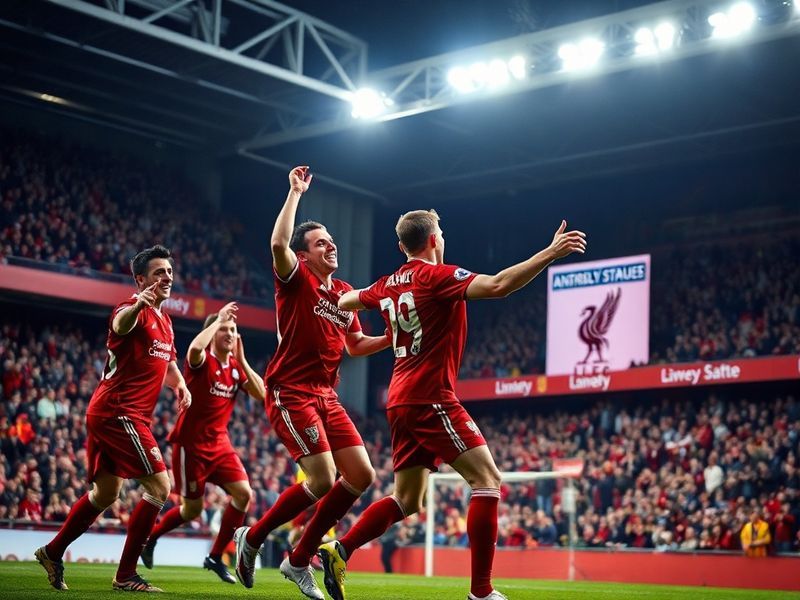
Why the Premier League Dominates Global Football Culture
“`html
The Global Appeal of Premier League Football: More Than Just a Game
The Premier League stands as one of the most influential sports leagues in the world, transcending borders and cultures to create a shared experience for millions. While its roots are firmly planted in England, the league’s reach extends from bustling cities in Asia to remote villages in Africa, uniting diverse communities through a shared passion for football.
Founded in 1992, the Premier League emerged from the restructuring of England’s top football division, introducing a new era of commercialization and global broadcasting. Today, it is a multi-billion-dollar industry, broadcast to over 200 territories and watched by an estimated 4.7 billion fans worldwide. This unparalleled global audience has transformed the league into more than just a sporting competition—it is a cultural phenomenon that shapes identities, influences economies, and even impacts geopolitics.
The Premier League’s Rise to Global Prominence
The Premier League’s ascent to global dominance was no accident. A combination of strategic decisions, technological advancements, and a relentless focus on entertainment propelled it to the forefront of world football. In the early 1990s, the league capitalized on the growing demand for live sports by securing lucrative television deals. The introduction of satellite broadcasting, led by Sky Sports in the UK, made matches accessible to a wider audience than ever before.
The league’s emphasis on attacking football and high-profile signings, such as Eric Cantona, Thierry Henry, and Cristiano Ronaldo, further fueled its popularity. These players became household names beyond Europe, their skills broadcast into living rooms across the globe. The Premier League’s commitment to producing thrilling matches week after week ensured that it stood out in a crowded sports market.
By the 2000s, the league had expanded its reach through digital platforms. Online streaming services and social media allowed fans to engage with the sport in real time, regardless of their location. The Premier League’s official website and social media channels became hubs for news, highlights, and behind-the-scenes content, fostering a sense of community among supporters worldwide.
A Cultural Bridge Across Continents
Football is more than a sport in many parts of the world—it is a way of life. The Premier League has woven itself into the fabric of societies from Lagos to Lahore, becoming a cultural bridge that connects people across continents. For many fans, supporting a Premier League club is a way to express identity, heritage, and belonging.
In Nigeria, for example, the Premier League is deeply embedded in local culture. The league’s popularity surged in the 1990s and 2000s, coinciding with Nigeria’s golden era in football. Players like Nwankwo Kanu and Jay-Jay Okocha became national heroes, and their success in the Premier League inspired a generation of young footballers. Today, Nigerian communities worldwide gather to watch matches, often in makeshift viewing centers where the excitement is as palpable as in any stadium.
Similarly, in India, the Premier League has carved out a significant niche. The league’s broadcast partnership with Star Sports has made it one of the most-watched sports leagues in the country, despite cricket traditionally dominating the sporting landscape. The Premier League’s fast-paced, unpredictable nature appeals to Indian audiences, and local clubs have begun to emerge, further fueling the sport’s growth in the region.
The league’s global appeal is also evident in the diverse fanbase it has cultivated. Clubs like Manchester United, Liverpool, and Arsenal have fan clubs in almost every country, with supporters organizing watch parties, creating fan art, and even learning English phrases like “You’ll Never Walk Alone” or “The Red Army” to immerse themselves in the culture of their chosen team.
The Economic and Social Impact of the Premier League
The Premier League’s influence extends far beyond the pitch. Economically, it is a powerhouse, generating billions in revenue annually. In the 2021/22 season alone, the league’s total revenue exceeded £5 billion, with commercial deals, broadcasting rights, and matchday income contributing to this staggering figure. This financial muscle allows clubs to invest heavily in infrastructure, youth academies, and community programs, creating jobs and stimulating local economies.
The league’s global reach also makes it a magnet for sponsors and investors. Companies like Chevrolet, Nike, and Adidas pay millions for partnerships with Premier League clubs, while foreign investors, particularly from the Middle East and the United States, have acquired stakes in clubs, injecting fresh capital into the sport. This influx of investment has transformed clubs into global brands, with merchandise sold in every corner of the world.
Socially, the Premier League has played a role in promoting diversity and inclusion. Clubs have launched initiatives to combat racism, homophobia, and other forms of discrimination, using their platforms to advocate for change. The league’s “No Room For Racism” campaign, for example, has been instrumental in raising awareness and fostering dialogue around these issues. Additionally, Premier League clubs run community programs that provide education, health, and social development opportunities for young people, particularly in disadvantaged areas.
The league’s impact is perhaps most evident in the way it has inspired grassroots football. In countries like Kenya and Thailand, local leagues have benefited from the Premier League’s global spotlight, attracting new fans and investment. The “Premier League Primary Stars” program, which uses football to teach children core subjects like math and English, has been rolled out in schools across the UK and internationally, demonstrating the league’s commitment to using football as a tool for social good.
Challenges and Criticisms in a Globalized League
Despite its success, the Premier League has not been without controversy. The league’s financial disparity has raised questions about competitive balance. Clubs with wealthy owners or lucrative commercial deals, such as Manchester City and Chelsea, often dominate the league, while smaller clubs struggle to keep up. This has led to calls for greater financial regulation, such as the introduction of a salary cap or more stringent profit-and-loss rules.
The league has also faced criticism for its impact on domestic leagues in other countries. The influx of foreign players and the financial power of Premier League clubs have made it difficult for local leagues to retain talent, leading to concerns about the long-term health of football outside Europe. In some cases, this has resulted in protests from local fans and governing bodies, who argue that the Premier League’s global dominance is stifling the growth of football in their respective countries.
Another challenge is the environmental impact of the league’s global operations. The carbon footprint of transporting players, staff, and fans across continents for matches and tours has come under scrutiny. Initiatives like the Premier League’s “Play Greener” campaign aim to address these concerns by promoting sustainability, but the league remains a significant contributor to global emissions.
The Future of the Premier League in a Global Context
The Premier League’s future looks set to be as dynamic and unpredictable as the football it produces. One of the most significant developments in recent years has been the league’s expansion into new markets. The introduction of the Premier League Asia Trophy and pre-season tours to the United States and Australia have helped the league tap into emerging markets, where football’s popularity is growing rapidly.
Technological advancements will also play a crucial role in shaping the league’s future. The introduction of VAR (Video Assistant Referee) has already transformed the way matches are officiated, reducing controversies but also sparking debates about its impact on the game’s flow. Looking ahead, innovations such as artificial intelligence and data analytics are likely to further revolutionize player recruitment, training, and fan engagement.
The league’s commitment to sustainability will be another key focus. As climate change becomes an increasingly pressing issue, the Premier League will need to demonstrate leadership in reducing its environmental impact. This could include measures such as carbon offsetting, reducing single-use plastics at stadiums, and promoting public transportation for fans attending matches.
Ultimately, the Premier League’s greatest strength lies in its ability to adapt and evolve. Whether it’s through embracing new technologies, expanding into untapped markets, or addressing social and environmental challenges, the league will continue to shape the global football landscape for decades to come.
Key Takeaways
- The Premier League’s global appeal is driven by its entertainment value, accessibility, and cultural resonance.
- Clubs and players have become global brands, influencing economies and societies worldwide.
- The league faces challenges such as financial disparity, environmental impact, and competition with domestic leagues.
- Innovations in technology and sustainability will play a crucial role in shaping the league’s future.
For those looking to dive deeper into the world of football, Sports on Dave’s Locker offers a wealth of articles and insights into the latest trends and stories shaping the game.
Whether you’re a lifelong fan or a newcomer to the sport, the Premier League’s global reach ensures there’s always something new to discover. From the electric atmosphere of Old Trafford to the vibrant fan culture in Lagos or Mumbai, the league continues to bring people together, proving that football is more than just a game—it’s a global language.