Baton Rouge: Louisiana’s Vibrant Capital Where History and Innovation Collide
Baton Rouge, the second-largest city in Louisiana after New Orleans, serves as the state’s capital while maintaining a distinct identity shaped by Creole culture, industrial might, and a resilient community spirit. Nestled along the eastern bank of the Mississippi River, the city blends Southern hospitality with a dynamic urban landscape. Unlike its more tourist-heavy neighbor, Baton Rouge thrives as a hub for education, petrochemical industry, and Louisiana State University (LSU), creating a unique environment where tradition and progress coexist.
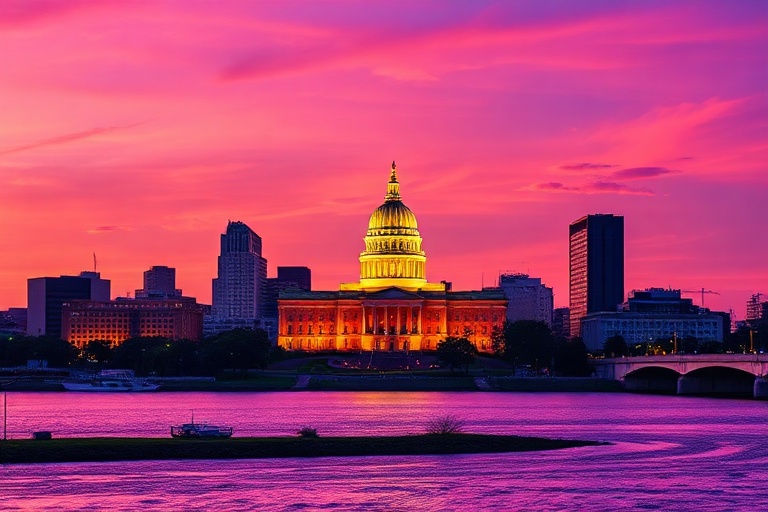
The city’s name, derived from French meaning “red stick,” originates from a marker used by Native American tribes to delineate hunting territories. This historical depth is evident throughout Baton Rouge, from the Louisiana State Capitol—the tallest capitol building in the United States—to the nearby ruins of the 18th-century Fort New Richmond. Walking through downtown, one can feel the layers of history beneath the modern skyline, a testament to a city that has continuously reinvented itself while honoring its past.
The Heart of Louisiana’s Culture and Education
Baton Rouge is more than just a political center; it’s a cultural crossroads where Cajun, Creole, and African American traditions influence everything from cuisine to music. The city’s culinary scene reflects this diversity, with standout spots like Antone’s Famous Po’ Boys and the Creole-inspired dishes at Louisiana State University’s Student Union. Food festivals such as the Baton Rouge Blues Festival and the Louisiana Cajun-Zydeco Festival draw visitors from across the region, celebrating the area’s rich musical heritage.
Education plays a pivotal role in the city’s identity, with LSU anchoring the community both academically and culturally. The university’s campus, with its iconic Memorial Tower and vibrant student life, influences the city’s rhythm. Sporting events, particularly LSU Tigers football games at Tiger Stadium—nicknamed “Death Valley”—draw crowds of over 100,000, making it one of the most electric gameday experiences in college sports. The university’s impact extends beyond athletics, fostering innovation through research initiatives in agriculture, engineering, and coastal sustainability.
The city’s cultural institutions further solidify its reputation as a center of arts and history. The Shaw Center for the Arts hosts performances ranging from symphony orchestras to contemporary theater, while the Louisiana Art & Science Museum offers interactive exhibits that appeal to all ages. For history buffs, the Old State Capitol provides a multimedia journey through Louisiana’s political and social evolution, housed in a stunning Gothic Revival building that once served as the seat of state government.
Industry and Economy: The Engine of Baton Rouge
Baton Rouge’s economy is powered by a robust industrial sector, particularly petrochemical refining and manufacturing. The city sits at the heart of Louisiana’s “Refinery Row,” home to major facilities operated by ExxonMobil, Dow Chemical, and other industry leaders. This industrial base contributes significantly to the local economy, providing thousands of high-paying jobs while also posing environmental challenges that the community continues to address.
Efforts to balance economic growth with sustainability are evident in initiatives like the Baton Rouge Greenway, a 5.5-mile trail system designed to promote alternative transportation and reduce carbon emissions. The city has also invested in renewable energy projects, including solar farms and energy-efficient public buildings. These steps reflect a growing awareness of the need to mitigate the environmental impact of industrial activity while maintaining the economic benefits it provides.
Beyond heavy industry, Baton Rouge is also a growing tech hub, with startups and established companies finding fertile ground in the city’s business-friendly environment. Organizations like the Baton Rouge Area Chamber actively recruit tech talent and foster entrepreneurship through incubators and networking events. This diversification of the economy is gradually reducing the city’s reliance on traditional industries, paving the way for a more balanced and resilient future.
Neighborhoods and Community: The Soul of Baton Rouge
Baton Rouge’s neighborhoods each tell a different story, from the historic homes of Beauregard Town to the eclectic murals of Mid-City. The Garden District, with its antebellum architecture and lush gardens, offers a glimpse into the city’s past, while the lively arts scene in Spanish Town—home to the annual Mardi Gras parade—showcases its vibrant present. Each area contributes to the city’s diverse tapestry, creating a sense of place that residents cherish.
Community resilience is perhaps most evident in the city’s response to natural disasters. Baton Rouge has faced its share of challenges, including hurricanes and flooding, most notably the catastrophic floods of 2016. The recovery effort brought neighbors together, with volunteers and local organizations working tirelessly to rebuild homes and restore hope. This spirit of solidarity is a defining characteristic of Baton Rouge, reinforcing the bonds that tie the community together.
The city’s educational system, while facing challenges common to many urban areas, is also a source of pride. Baton Rouge public schools, along with charter and private institutions, serve a diverse student body. Programs like the Baton Rouge Community College’s workforce development initiatives aim to equip residents with the skills needed for careers in high-demand fields, from healthcare to advanced manufacturing.
A City on the Rise
Baton Rouge is a city in transition, balancing its industrial legacy with forward-looking innovation. The development of the Baton Rouge Riverfront, including the recently completed Shaw Center expansion, has transformed the downtown area into a destination for both locals and visitors. New residential projects, such as the adaptive reuse of historic buildings into loft apartments, are attracting young professionals and empty-nesters alike.
The city’s commitment to revitalization extends to its public spaces. The renovation of City Park, a 115-acre urban green space, has created a hub for recreation and community events. Meanwhile, the Baton Rouge Metro Council’s focus on infrastructure improvements, from road repairs to public transit, signals a commitment to enhancing quality of life for all residents.
Despite its challenges, Baton Rouge remains a city of opportunity, where hard work and creativity can lead to meaningful change. The blend of Southern charm, cultural richness, and economic potential makes it a compelling place to live, work, and visit. As Baton Rouge continues to evolve, it does so with a deep respect for its roots and an eye toward a vibrant future.
Why Baton Rouge Stands Out
Baton Rouge’s appeal lies in its authenticity. It’s a city where jazz and zydeco music spill out of neighborhood bars, where college football games bring the city to a standstill, and where the scent of crawfish boils mingles with the aroma of industrial progress. It’s a place where history is not just preserved but lived, where innovation is not just discussed but implemented. For those willing to look beyond the surface, Baton Rouge offers a depth of experience that few cities can match.
Whether you’re drawn by the allure of Louisiana’s unique culture, the promise of economic opportunity, or the warmth of its people, Baton Rouge delivers. It’s a city that invites you to stay awhile, to explore its neighborhoods, to savor its food, and to become part of its story. In a world where cities often feel interchangeable, Baton Rouge remains distinctly itself—a place where the past and future coexist in vibrant harmony.