White House Easter Egg Roll: 150 Years of Tradition and Change
“`html
White House Easter Egg Roll: A Century of Tradition and Modern Celebrations
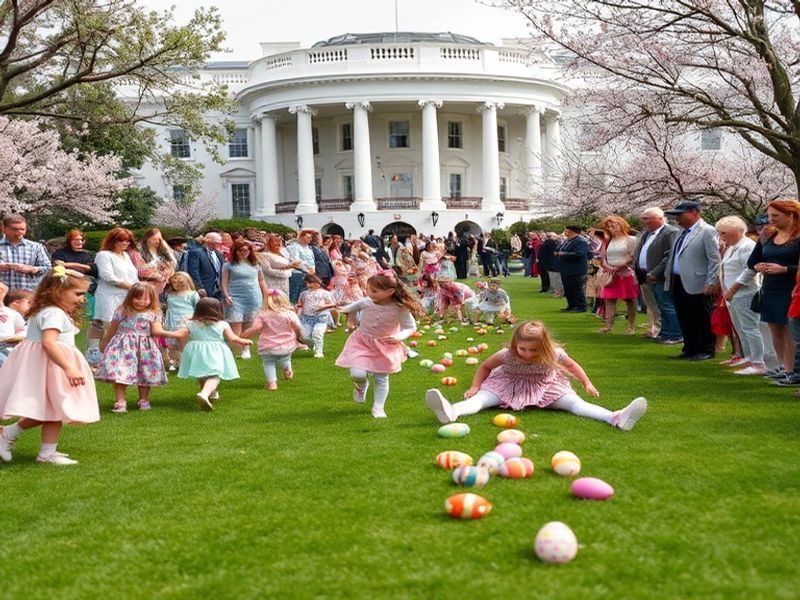
Every spring, the South Lawn of the White House transforms into a vibrant canvas of color, energy, and tradition. Since 1878, the White House Easter Egg Roll has welcomed families to participate in one of America’s most cherished seasonal rituals. More than just a festive event, the celebration reflects the nation’s evolving values, from childhood play to community engagement and national unity.
The Origins and Evolution of a National Tradition
The first White House Easter Egg Roll took place decades before it became an official tradition. In the mid-19th century, children in Washington, D.C. rolled decorated eggs down Capitol Hill. As urban development and public spaces changed, these games became harder to maintain safely. By 1876, Congress even passed a law prohibiting the activity on Capitol grounds due to damage to the landscape.
Two years later, President Rutherford B. Hayes invited local children to roll eggs on the White House lawn, marking the unofficial beginning of the tradition. While the event was not yet called the Easter Egg Roll, this act of presidential hospitality planted the seeds for what would become a defining annual ritual. Over time, the gathering grew in size and significance, evolving from a small gathering of local families into a nationally anticipated event.
By the early 20th century, the Easter Egg Roll had become a symbol of spring renewal and community spirit. Families traveled from across the country to participate, and the event began to reflect broader social changes—including the rise of childhood advocacy and the expansion of national parks and public spaces. Today, the roll remains one of the few public events where the President and First Lady actively participate, reinforcing its role as a living link between the White House and the American people.
What to Expect: Activities and Traditions at the Roll
The White House Easter Egg Roll is far more than egg rolling. It is a full-day festival featuring music, storytelling, crafts, and athletic activities designed to engage children of all ages. The event typically includes:
- Egg Rolling: The centerpiece activity, where children race their decorated eggs across the lawn using wooden spoons. While the tradition remains unchanged, modern safety measures and event coordination ensure a smooth experience for thousands of participants.
- Live Entertainment: Past performers have included the Marine Corps Band, celebrity guests, and children’s musicians, creating a festive atmosphere that blends patriotism with pop culture.
- Storytelling and Arts: Interactive stations encourage creativity, from read-aloud sessions with authors to hands-on art projects that celebrate spring and renewal.
- Sports and Fitness: The “Egg Roll City” area features age-appropriate athletic challenges, promoting physical activity and healthy lifestyles.
- Community Engagement: Local organizations and national charities often host booths, offering resources and highlighting community service initiatives.
The event is free, but attendance is highly competitive. Tickets are required and distributed through an online lottery system due to overwhelming demand. This system reflects a modern challenge: balancing accessibility with the need to preserve the integrity of a historic event in an era of digital connectivity.
Broader Implications: Symbolism, Accessibility, and Cultural Resonance
The White House Easter Egg Roll carries layered meanings that extend beyond its festive appearance. At its core, it symbolizes the intersection of democracy and childhood wonder—a rare moment where the highest office in the land pauses to celebrate the innocence and potential of the nation’s youth.
In a political landscape often defined by division, the event offers a unifying ritual. It transcends partisan lines, uniting families from diverse backgrounds under the banner of shared joy and tradition. For many attendees, the roll represents one of the few times they feel directly connected to the federal government in a positive, personal way.
Yet, the event also highlights ongoing debates about access and representation. While tickets are distributed through a fair lottery, critics argue that the process favors those with reliable internet access and flexible schedules—often families already connected to political or social networks. The roll’s growth has also raised questions about sustainability, as large crowds and limited green space require careful environmental management. In recent years, the White House has implemented measures to reduce waste, promote recycling, and minimize ecological impact, reflecting a broader trend toward sustainable public celebrations.
From a cultural standpoint, the Easter Egg Roll has become a barometer of national mood. During times of crisis—such as the Great Depression or the COVID-19 pandemic—the event has been canceled or adapted, underscoring its role as a reflection of America’s resilience and priorities. Its continuation through two world wars, economic downturns, and social upheavals speaks to its enduring relevance.
The Future of a Living Tradition
As the White House Easter Egg Roll approaches its 150th anniversary, its future will likely be shaped by technology, sustainability, and evolving notions of public participation. Virtual components, such as live-streamed activities or interactive digital egg designs, could expand access for families unable to attend in person. Meanwhile, environmental stewardship will remain a priority, with organizers balancing tradition against the need to protect the South Lawn and surrounding areas.
The event’s ability to adapt without losing its essence may be its greatest strength. The White House Easter Egg Roll is not just a relic of the past; it is a living tradition that continues to evolve with the nation it serves. For generations, it has provided a moment of connection—between parents and children, citizens and leaders, and the public and the presidency.
As long as families continue to gather on the South Lawn each spring, rolling eggs across the grass and sharing stories under the Washington sky, the spirit of renewal and unity will endure. In an era marked by rapid change and digital distraction, the simple act of pushing a painted egg with a wooden spoon becomes a quiet act of defiance—a celebration of childhood, community, and continuity.