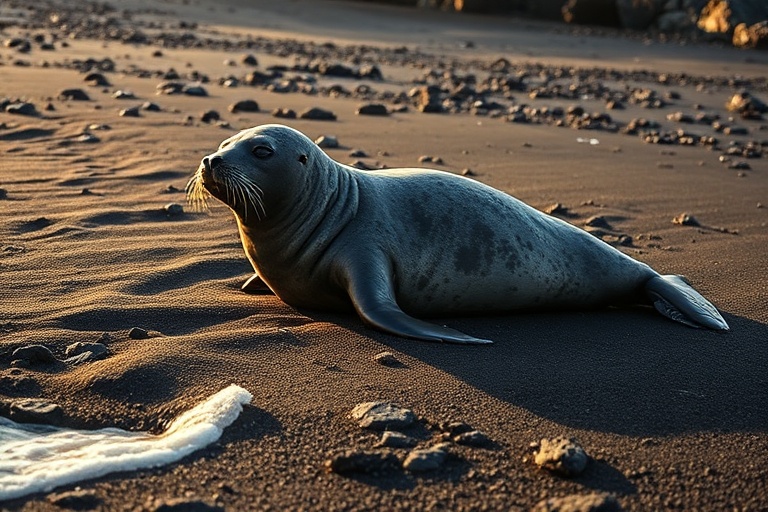
Hawaiian Monk Seal: Hawaii’s Endangered Marine Icon
The Hawaiian Monk Seal: A Living Treasure of the Pacific
The Hawaiian monk seal (Neomonachus schauinslandi) is one of the most endangered marine mammals on Earth. With fewer than 1,500 individuals remaining, this species faces threats from habitat loss, climate change, and human interaction. Found exclusively in the Hawaiian Islands, these seals are a vital part of the Pacific ecosystem and hold deep cultural significance for Native Hawaiians.
Unlike their tropical cousins, monk seals spend most of their lives in the water, coming ashore only to rest, molt, and give birth. Their solitary nature and preference for remote beaches make them difficult to study, yet conservationists emphasize the urgency of protecting their dwindling populations. The challenges they face are not just ecological but also cultural and political, as Hawaii balances development with preservation.
The Cultural and Historical Significance of the Hawaiian Monk Seal
For centuries, the Hawaiian monk seal has been woven into the cultural fabric of Hawaii. Known in Hawaiian as ʻIlio-holo-i-ka-uaua (“dog that runs in rough water”), the seal was once a source of food and inspiration for early Polynesian voyagers. Ancient Hawaiians revered these animals, seeing them as guardians of the ocean and symbols of divine connection.
Traditional Hawaiian stories often depict monk seals as protectors, with some legends describing them as kupua—supernatural beings with shape-shifting abilities. These cultural ties have persisted despite centuries of colonization and environmental change. Today, Native Hawaiian communities continue to advocate for the seal’s protection, emphasizing the importance of cultural heritage in conservation efforts.
The seal’s presence also plays a role in modern Hawaiian identity. Organizations like the Hawaiian Monk Seal Recovery Program collaborate with local communities to monitor and protect these animals, ensuring that their cultural legacy endures alongside their biological survival.
Ecological Role and Threats to Survival
Hawaiian monk seals are apex predators in their ecosystem, helping maintain balance in coral reefs and nearshore habitats. Their diet consists primarily of fish, crustaceans, and cephalopods, which they hunt using keen underwater vision and sensitive whiskers. As generalist feeders, they adapt to seasonal changes in prey availability, a trait that has helped them survive for millennia.
However, their survival is increasingly at risk. The following factors pose the greatest threats to their existence:
- Habitat Loss: Coastal development, erosion, and sea-level rise reduce the number of suitable pupping and resting beaches.
- Human Interaction: Entanglement in fishing gear, boat strikes, and disturbance from tourists and researchers can be fatal.
- Climate Change: Rising ocean temperatures and ocean acidification disrupt food sources and degrade critical habitats.
- Predation: Sharks and, increasingly, invasive species like feral pigs pose dangers to seals, particularly newborn pups.
Conservationists have implemented several strategies to mitigate these threats, including beach closures, community education, and rescue operations for injured seals. Despite these efforts, the species remains critically endangered, with recovery efforts complicated by its slow reproductive rate—females give birth to only one pup every 3-5 years.
Global Conservation Efforts and Challenges
Hawaiian monk seals are protected under the U.S. Endangered Species Act and the Marine Mammal Protection Act, which have helped stabilize some populations. However, international collaboration is essential for their long-term survival. The National Oceanic and Atmospheric Administration (NOAA) leads recovery efforts, working with federal, state, and nonprofit partners to address the species’ challenges.
One of the most innovative approaches to conservation involves community-based stewardship. Programs like the Marine Mammal Response Network train local volunteers to monitor seal populations, report disturbances, and assist in rescues. These initiatives not only protect the seals but also foster a deeper connection between Hawaii’s people and their natural heritage.
Yet, challenges persist. Political debates over land use, tourism pressures, and funding shortages for conservation programs create ongoing obstacles. Additionally, the seals’ solitary nature makes tracking and studying them difficult, requiring advanced technology like satellite tags and underwater cameras.
Despite these hurdles, there have been signs of hope. In recent years, some populations have shown modest increases, particularly in the Northwestern Hawaiian Islands, where efforts to reduce human interference have been most successful. These small victories underscore the importance of sustained, adaptive conservation strategies.
A Call to Action for Future Generations
The fate of the Hawaiian monk seal is a microcosm of broader environmental challenges—climate change, human encroachment, and the struggle to balance development with preservation. Protecting this species requires more than scientific intervention; it demands a cultural shift in how society views and interacts with the natural world.
For tourists visiting Hawaii, responsible behavior is crucial. Keeping a safe distance from seals, avoiding restricted beaches, and supporting eco-friendly tourism operators can make a meaningful difference. For locals, continued advocacy and participation in conservation programs are vital. And for policymakers, prioritizing funding and legislation that protect marine habitats is non-negotiable.
The Hawaiian monk seal is not just a symbol of Hawaii’s past; it is a barometer for its future. Its survival depends on collective action—one that honors cultural traditions while embracing modern science. By working together, Hawaii can ensure that future generations will still hear the sounds of monk seals resting on its shores, a reminder of the ocean’s enduring grace.