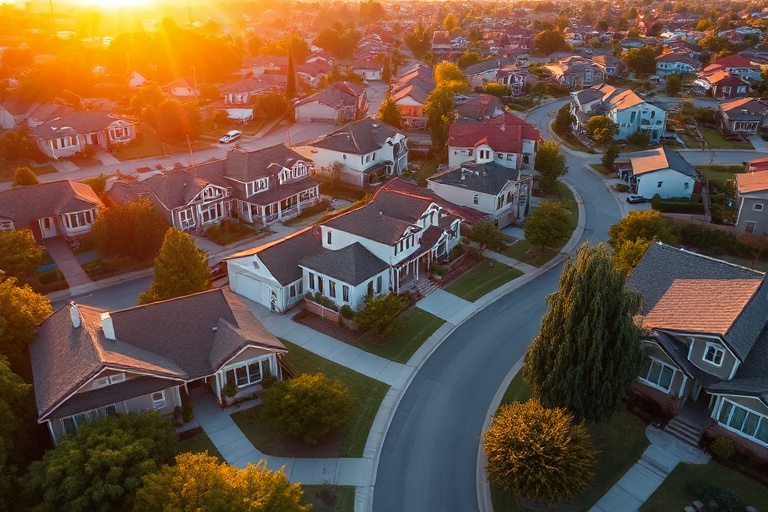
How Houses Reflect Culture, History, and Innovation Worldwide
Houses have always been more than just shelter. They are the physical manifestation of cultural identity, economic status, and technological progress. From the mud huts of rural Africa to the glass skyscrapers of Dubai, the concept of home has evolved dramatically across continents and centuries. This transformation reflects humanity’s shifting priorities—from survival to comfort, from tradition to innovation.
Architectural styles often reveal deeper societal values. In Japan, traditional culture emphasizes harmony with nature, evident in the sliding doors and tatami floors of a machiya townhouse. Meanwhile, in the United States, the post-World War II suburban boom prioritized space and privacy, giving rise to the iconic ranch-style home. These differences highlight how geography, climate, and social norms shape domestic life.
The Cultural Symbolism of Houses
In many societies, a house is more than a building—it’s a symbol of stability and family. The Māori of New Zealand, for instance, consider the whare (house) a living ancestor, its structure and carvings telling stories of lineage and heritage. Similarly, in Mediterranean cultures, the whitewashed walls and blue domes of Greek Cycladic homes aren’t just practical against the sun; they represent a connection to the sea and the sky.
Religion also leaves its mark on domestic architecture. Islamic homes often feature enclosed courtyards to ensure privacy, aligning with values of modesty and family. In contrast, Christian medieval homes in Europe were built around hearths, symbolizing warmth and communal gathering. These designs weren’t arbitrary—they reinforced cultural and spiritual beliefs.
Regional Variations in Housing Design
Climate plays a decisive role in how houses are constructed. In the Arctic, the Inuit build igloos from snow blocks, their domed shape minimizing heat loss. Conversely, in tropical regions like Southeast Asia, homes are elevated on stilts to protect against floods and allow breezes to circulate. Even materials vary widely: adobe in the Middle East, bamboo in Bali, and stone in the Scottish Highlands.
Here’s a quick look at how different regions approach residential design:
- Scandinavia: Wooden cabins with steep roofs to shed heavy snow, large windows to maximize winter light.
- Middle East: Flat roofs and thick walls to keep interiors cool during scorching days.
- Amazon Rainforest: Open-air structures with thatched roofs, allowing airflow while keeping out pests.
- New England (USA): Saltbox houses with slanted roofs to handle heavy snowfall and cold winters.
- Sub-Saharan Africa: Round mud huts with conical roofs, designed for ventilation and durability.
The Rise of Modern and Smart Homes
The Industrial Revolution marked a turning point in housing. Mass-produced bricks, steel frames, and glass windows made homes more accessible. By the 20th century, suburbanization in the West led to cookie-cutter developments, where efficiency often outweighed uniqueness. However, today’s homeowners are pushing back against homogeneity, demanding designs that balance aesthetics, sustainability, and technology.
Smart homes are now a global trend, integrating AI, IoT devices, and energy-efficient systems. In South Korea, entire “smart cities” like Songdo are being built from the ground up with interconnected homes that monitor air quality, optimize energy use, and even predict maintenance needs. Meanwhile, in Europe, the push for “passive houses” focuses on ultra-low energy consumption through superior insulation and solar panels.
The Environmental Impact of Housing
Housing accounts for nearly 40% of global energy-related carbon emissions. This staggering statistic has spurred a movement toward sustainable architecture. In Germany, the Passivhaus standard has become a benchmark for energy efficiency. In India, architects are reviving ancient techniques like jaali screens, which allow light and air to pass through while blocking heat.
Yet challenges remain. Rapid urbanization in developing nations often leads to informal settlements with poor infrastructure. According to UN-Habitat, over a billion people live in slums, where housing is makeshift and lacks basic services. Solutions like micro-housing and community land trusts are emerging, but systemic change is needed to address this crisis.
Houses in the Digital Age: Trends and Challenges
The COVID-19 pandemic redefined what we expect from our homes. Remote work blurred the lines between living and working spaces, prompting a surge in home offices and ergonomic designs. Real estate markets in cities like Austin and Lisbon saw unprecedented demand as people prioritized space and affordability over urban density.
Digital platforms have also democratized homeownership. Crowdfunding sites like Kickstarter have funded community housing projects, while apps like Airbnb have turned spare rooms into revenue streams. However, this shift has also fueled debates about gentrification and housing inequality.
Looking ahead, the future of housing will likely be shaped by three key trends:
- Modular and Prefabricated Homes: Faster to build, cheaper to maintain, and adaptable to different needs.
- Co-Living Spaces: Shared living arrangements that cater to young professionals and digital nomads in expensive cities.
- Biophilic Design: Incorporating nature into architecture—think living walls, indoor gardens, and natural light—to improve mental well-being.
Conclusion: A Home for Every Era
Houses are more than bricks and mortar. They are the backdrop of our lives, shaping how we live, work, and dream. As technology advances and environmental concerns grow, the way we build and inhabit homes will continue to evolve. Yet no matter the era or the style, one thing remains constant: the house is where humanity’s past, present, and future intersect.
Whether it’s a thatched hut in Bali or a solar-powered tiny home in Oregon, the essence of a house endures—it’s a place of belonging, a sanctuary, and a testament to human ingenuity.