Canada’s Victoria Day is more than just a public holiday—it’s a celebration of community, history, and the unofficial start of summer. Observed on the Monday preceding May 25, this holiday honors Queen Victoria’s birthday while also reflecting Canada’s unique cultural identity. Unlike many other Commonwealth nations that celebrate their monarch’s official birthday at different times, Canada has maintained a distinct tradition that blends royal heritage with distinctly Canadian customs.
The holiday’s origins date back to 1845 when the Legislative Assembly of the Province of Canada declared May 24 as the official birthday of Queen Victoria. After her death in 1901, Canadians continued to observe the day in her memory. Over time, it evolved into a broader celebration of the Canadian spring season, incorporating fireworks, parades, and outdoor gatherings. Today, Victoria Day remains one of the few holidays uniquely Canadian, celebrated nationwide with varying regional customs.
The Historical Roots of Victoria Day
Victoria Day’s history is deeply intertwined with Canada’s colonial past and its gradual transition toward national identity. When Queen Victoria ascended to the throne in 1837, her birthday on May 24 became a symbolic date in the colonies. The holiday was officially recognized in 1845, making it one of Canada’s oldest continuously observed celebrations.
Interestingly, Victoria Day was not always a statutory holiday. It became a day off for federal employees in 1898, and by 1901, after the Queen’s death, Canadians continued to honor her legacy by keeping the tradition alive. The holiday’s persistence reflects Canada’s complex relationship with monarchy—a blend of respect, nostalgia, and quiet independence. Unlike in the United Kingdom, where the monarch’s official birthday is celebrated in June with Trooping the Colour, Canada chose to maintain its May date, creating a uniquely Canadian observance.
Regional Variations Across Canada
While Victoria Day is celebrated nationwide, each province adds its own flavor to the festivities. In Ontario and Manitoba, fireworks light up the sky, often synchronized with patriotic music. Quebec, where the holiday is officially known as Fête de la Reine (Queens’ Day), has a more subdued observance, with some municipalities opting for community events rather than fireworks. British Columbia and the Atlantic provinces often incorporate maritime traditions, blending Victoria Day with the start of boating season.
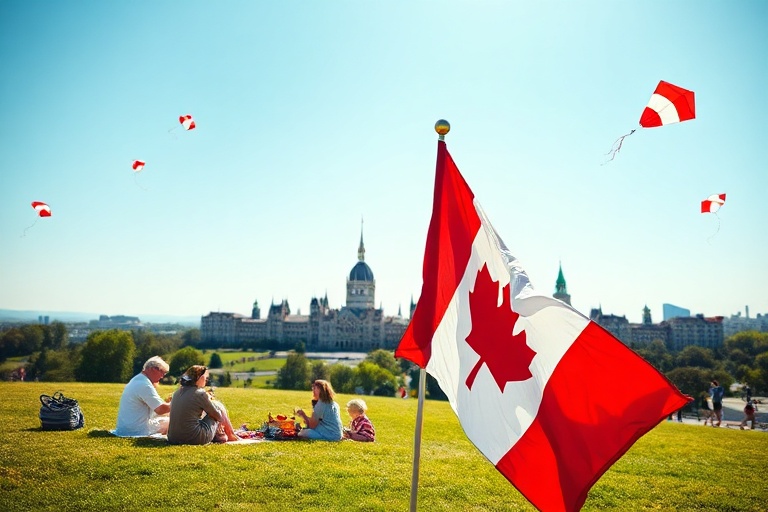
In smaller towns, Victoria Day parades feature local marching bands, historical reenactments, and even pony rides for children. The holiday also coincides with the opening of many summer cottages, marking the start of the vacation season. For many Canadians, it’s a time to gather with family, host barbecues, and enjoy the first warm days of the year.
- Ontario & Manitoba: Fireworks displays are a central tradition, often accompanied by concerts and public gatherings.
- Quebec: Known as Fête de la Reine, celebrations are more subdued, with community events and historical recognition.
- British Columbia: Fireworks and boat launches celebrate the start of the boating season.
- Atlantic Canada: Parades and local festivals highlight the holiday, often blending with spring festivals.
Victoria Day in the Context of Global Monarchies
Canada’s observance of Victoria Day stands out when compared to other Commonwealth nations. The United Kingdom, Australia, and New Zealand all celebrate their monarch’s official birthday at different times, often with grand military parades. In contrast, Canada’s version is more relaxed, reflecting its cultural emphasis on informality and outdoor recreation.
This difference underscores Canada’s unique identity within the Commonwealth. While other nations may treat the monarch’s birthday as a formal state occasion, Canadians have repurposed it into a celebration of spring and community. The holiday’s persistence also highlights Canada’s ongoing relationship with the British monarchy—a relationship that is both historical and, in some ways, symbolic rather than deeply political.
“Victoria Day is one of the few holidays that feels distinctly Canadian—not because of its royal origins, but because of how Canadians have adapted it to fit their own sense of place and season.”
Modern Celebrations and Cultural Shifts
In recent years, Victoria Day has faced subtle changes as Canadian culture evolves. Some cities have moved away from large fireworks displays due to environmental concerns and safety regulations, opting instead for laser light shows or community gatherings. Others have emphasized Indigenous perspectives, incorporating land acknowledgments or educational events about Canada’s colonial history.
Despite these shifts, the holiday remains a staple of the Canadian calendar. For many, it’s a nostalgic reminder of childhood summers, backyard barbecues, and the first fireworks of the year. Retailers often mark the occasion with sales, and outdoor festivals capitalize on the long weekend to attract visitors. In some ways, Victoria Day has become a cultural touchstone—a moment when Canadians collectively step into summer.
Interestingly, the holiday also serves as a subtle counterpoint to sports culture in Canada. While hockey playoffs and baseball season are in full swing by late May, Victoria Day offers a pause—a chance to celebrate something other than competition. Instead, it’s about community, nature, and the simple joy of warm weather returning.
Why Victoria Day Matters Beyond Canada
From a global perspective, Victoria Day offers a fascinating case study in how holidays evolve and adapt. Unlike many national celebrations tied to independence or revolution, Victoria Day is rooted in monarchy yet has transformed into something uniquely Canadian. It reflects how traditions can be repurposed, retained, or even reimagined over time.
For historians, the holiday provides insight into Canada’s colonial past and its gradual shift toward a distinct national identity. For sociologists, it highlights how Canadians balance tradition with modernity—keeping old customs while adapting them to contemporary values. And for travelers, Victoria Day offers a glimpse into Canadian culture, showcasing the country’s love for outdoor gatherings, fireworks, and community spirit.
In an era where globalization often erodes local traditions, Victoria Day stands as a reminder of how holidays can evolve without losing their essence. It’s a celebration that belongs to Canada but also invites curiosity from the world—a holiday that’s both deeply rooted and refreshingly unique.
A Holiday for All Canadians
Ultimately, Victoria Day is more than just a day off work or the first long weekend of summer. It’s a celebration of Canadian resilience, adaptability, and joy. Whether through fireworks, parades, or quiet gatherings with family, Canadians mark the occasion in their own way, proving that even a holiday tied to monarchy can become distinctly their own.
As the country continues to evolve, Victoria Day remains a constant—a reminder of the past, a celebration of the present, and a hopeful nod to the future. For those who experience it, whether as lifelong residents or visitors, it’s a holiday that captures the very best of Canada: warmth, community, and the promise of summer.