Sheffield United FC: A Club Rooted in Steel and Ambition
Nestled in the heart of South Yorkshire, Sheffield United Football Club stands as a testament to the city’s industrial grit and sporting passion. Founded in 1889, the Blades—named for the city’s famous steel industry—have carved out a unique identity in English football, blending tradition with modern ambition. While not always a Premier League mainstay, the club’s history is rich with moments of glory, resilience, and a fanbase that bleeds red and white.
The club’s early years were marked by rapid success. Sheffield United won their first FA Cup in 1898, defeating Derby County in a replay—a victory that cemented their place in footballing folklore. By the turn of the 20th century, the Blades were a force in the Football League, regularly challenging for top-flight honors. Their home, Bramall Lane, became a fortress, a venue where tactical innovation and physical prowess combined to create a formidable opposition.
Yet, the club’s journey has not been without turbulence. Relegations, financial struggles, and periods of obscurity have punctuated its history. Sheffield United’s ability to bounce back—often with fan-driven resilience—has become a defining trait. This cyclical nature reflects broader themes in football: the ebb and flow of success, the importance of community, and the unyielding loyalty of supporters.
The Global Appeal of a Local Club
While Sheffield United may lack the global fanbase of clubs like Manchester United or Liverpool, their influence extends far beyond the Steel City. The club’s identity is deeply tied to Sheffield’s industrial heritage, a narrative that resonates internationally among fans of underdog stories and working-class football. In an era where football is increasingly dominated by financial powerhouses, the Blades offer a refreshing contrast—a club where tradition and authenticity matter.
Sheffield United’s fanbase is a microcosm of global football culture. From expatriate Yorkshiremen in Australia to supporters in North America and Asia, the club’s reach is a testament to the universal appeal of football as a cultural touchstone. Online communities, such as forums and social media groups, have amplified this global connection, allowing fans to share stories, debates, and a collective hope for the future.
The club’s recent resurgence in the Premier League has further broadened its appeal. For many neutral observers, Sheffield United represents the beauty of football’s unpredictability. Their 2019-20 Premier League campaign, which saw them challenge for European spots, captivated audiences worldwide. The blend of gritty determination and attacking flair under manager Chris Wilder became a talking point in global football circles, proving that success is not solely the preserve of the elite.
Key Moments in Sheffield United’s Modern Era
The past two decades have been a rollercoaster for the Blades, marked by highs and lows that reflect the club’s resilience. Below are some defining moments from their recent history:
- 2006-07: Promotion to the Premier League – After years in the Championship, Sheffield United secured promotion under manager Neil Warnock. Their first Premier League season saw them finish 18th, narrowly avoiding relegation.
- 2011-12: Financial Crisis and Administration – The club faced administration after a failed takeover, leading to a points deduction and relegation to League One. The episode highlighted the vulnerabilities of smaller clubs in modern football.
- 2016-17: Return to the Championship – Under manager Chris Wilder, the Blades won League One and began their ascent back to the top flight. This marked the start of a remarkable turnaround.
- 2019-20: Premier League Survival and European Hopes – Sheffield United stunned the football world by finishing 9th in their first top-flight season under Wilder. Their attacking style and team spirit earned widespread acclaim.
- 2020-21: A Season of Struggle – After a strong debut season, the Blades struggled with injuries and squad depth, ultimately being relegated. The campaign underscored the challenges of sustaining success in the Premier League.
These moments illustrate the club’s ability to reinvent itself, a quality that resonates with fans who view Sheffield United as a symbol of perseverance. The Blades’ story is not just about football; it’s about identity, community, and the enduring power of local pride.
The Cultural Significance of Sheffield United
Sheffield United is more than a football club—it’s a cultural institution. The city of Sheffield itself is a hub of creativity, innovation, and working-class values, and the Blades embody these traits. The club’s anthem, “Greasy Chip Butty Boys,” sung by fans before matches, is a playful yet heartfelt nod to Sheffield’s culinary culture. It’s a tradition that underscores the club’s connection to its roots.
In a global football landscape increasingly defined by corporate branding and commercial interests, Sheffield United offers a refreshing alternative. The club’s commitment to its local community is evident in initiatives like the Sheffield United Community Foundation, which uses football to engage young people and promote social inclusion. These efforts highlight the role of football as a force for good, beyond the pitch.
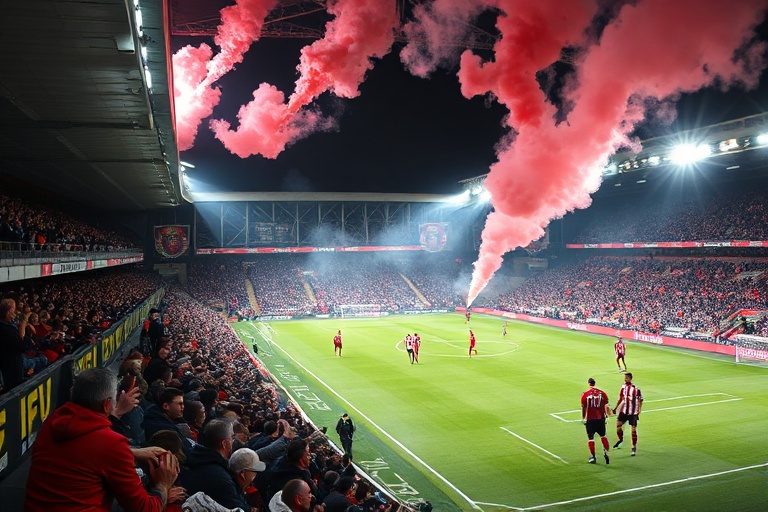
The Blades’ rivalry with Sheffield Wednesday, known as the Steel City Derby, is one of English football’s most passionate fixtures. These matches are not just about points; they’re about city pride, history, and bragging rights. The derbies attract national attention, drawing comparisons to other historic rivalries like Liverpool vs. Everton or Manchester City vs. Manchester United. They are a reminder of football’s power to unite and divide in equal measure.
Sheffield United’s global fanbase also reflects the club’s cultural reach. Supporters’ clubs exist in cities like Sydney, Toronto, and Berlin, where expatriate Sheffielders and football enthusiasts gather to watch matches and celebrate their shared passion. These communities often organize watch parties, charity events, and cultural exchanges, further embedding the club in the global football fabric.
Looking Ahead: The Future of the Blades
The 2023-24 season marked another chapter in Sheffield United’s ongoing story. After a disappointing relegation the previous year, the club returned to the Premier League under new manager Paul Heckingbottom, aiming to rediscover their form. The challenges were significant—rebuilding a squad, adjusting to the demands of top-flight football, and reconnecting with a fanbase hungry for success. Yet, the Blades’ resilience shone through as they battled to secure their place in the league.
For the club’s leadership, the focus remains on sustainable growth. The recent appointment of experienced executives, combined with a renewed emphasis on youth development, suggests a long-term vision. The goal is not just to survive in the Premier League but to thrive, competing with the established elite while staying true to the club’s identity.
The global football landscape is evolving, with clubs like Brighton & Hove Albion and Brentford proving that smaller teams can punch above their weight. Sheffield United’s challenge is to carve out a niche in this new era, balancing ambition with financial prudence. The club’s ability to innovate—whether through tactical flexibility, fan engagement, or community initiatives—will be key to its future success.
For fans, the hope is that the Blades can rediscover the magic of their 2019-20 campaign, when they played with a fearless, attacking style that captivated neutrals. The Premier League is a brutal environment, but it’s also a stage where underdogs can shine. Sheffield United’s journey is far from over, and their story is one that continues to inspire.
As the club looks to the future, one thing is certain: the Blades will always be more than just a football team. They are a symbol of Sheffield’s spirit, a beacon for working-class football, and a reminder that passion and perseverance can overcome even the toughest challenges.