Metropolitan Line: London’s Historic Underground Railway Legacy
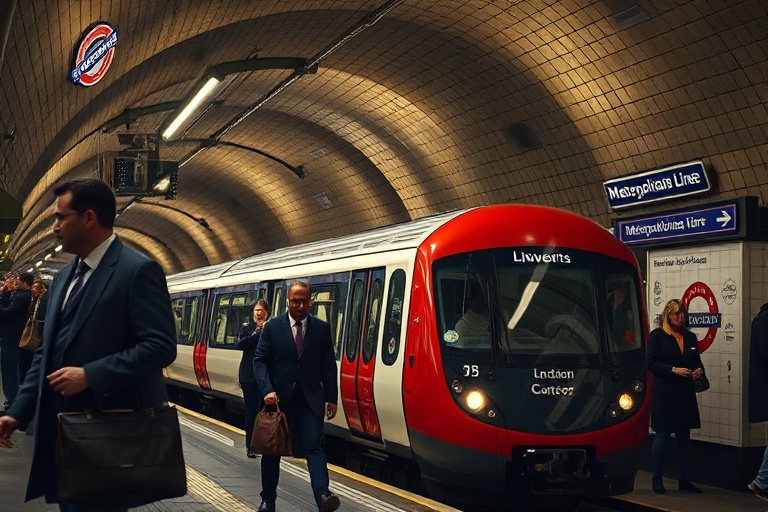
The Metropolitan Line stands as one of London’s most historic and significant transport routes, weaving through the city’s heart while connecting its outer suburbs. Opened in 1863, it was the world’s first underground railway, marking a revolutionary moment in urban transportation. Today, it remains a vital artery in London’s transport network, serving millions annually while retaining elements of its Victorian-era origins.
Unlike newer, sleek lines, the Metropolitan Line blends tradition with modernity. Its trains still traverse some of the oldest tunnels in the world, a testament to engineering ingenuity from the 19th century. Yet, it also adapts to contemporary demands, offering fast commuter services and connections to major business hubs. For locals and visitors alike, it represents both a practical necessity and a piece of living history.
A Brief History of the Metropolitan Line
The Metropolitan Railway’s inception in 1863 was nothing short of transformative. The line originally ran between Paddington and Farringdon, using steam locomotives—a far cry from today’s electric trains. This innovation drastically reduced travel times across London, which at the time was grappling with congestion and sprawling growth.
By the late 19th century, the line extended into what was then rural Middlesex, spurring suburban development. Stations like Harrow-on-the-Hill and Rickmansworth became key landmarks in London’s expanding commuter belt. The Metropolitan Railway even experimented with electric traction as early as the 1900s, long before other lines followed suit.
Post-World War II, the line underwent significant modernization. The famous “Metro-land” concept, marketed by the railway company, romanticized suburban living and attracted generations of Londoners. Today, the Metropolitan Line is operated by Transport for London (TfL), ensuring its continued relevance in a fast-paced city.
Key Features and Route Highlights
The Metropolitan Line spans 67 kilometers (42 miles) and serves 34 stations, making it one of the longer lines in the Tube network. It operates in two distinct modes: fast services that skip intermediate stops and all-stations services that cater to local commuters. This dual approach ensures efficiency while maintaining accessibility.
Notable stations include:
- Baker Street: The line’s northern terminus, famous for its connections to Sherlock Holmes lore and its role as a major interchange.
- Liverpool Street: A bustling hub linking the City of London with the Metropolitan Line’s eastern reaches.
- Amersham: The line’s current westernmost station, serving commuters from the Chilterns and beyond.
- Watford: A key stop for those traveling to the WD18 postcode and the nearby Warner Bros. Studio Tour.
The line’s route also passes through some of London’s most affluent suburbs, including Pinner, Moor Park, and Chalfont & Latimer. These areas reflect the Metropolitan Line’s historical role in facilitating suburban expansion, a trend that continues to shape London’s urban fabric.
Modern Challenges and Innovations
Despite its storied past, the Metropolitan Line faces modern challenges. Overcrowding during peak hours remains a persistent issue, particularly on services heading into central London. TfL has responded with measures like platform reinforcements and additional carriages, but demand often outstrips capacity.
Another challenge is the line’s aging infrastructure. Some tunnels and stations date back over a century, requiring constant maintenance to prevent disruptions. Projects like the ongoing upgrade of the signalling system aim to improve reliability, but these efforts are costly and time-consuming.
Innovation, however, is not absent. The introduction of air-conditioned trains in recent years has enhanced passenger comfort, a stark contrast to the stuffy, steam-filled carriages of the past. Additionally, TfL’s contactless payment system has streamlined boarding, reducing queues and improving efficiency.
The Metropolitan Line in Popular Culture
The Metropolitan Line’s cultural footprint extends beyond its functional role. It has appeared in numerous films, TV shows, and literature, often symbolizing London’s hustle and bustle. For instance, the line features prominently in Alfred Hitchcock’s 1972 thriller Frenzy, set against the backdrop of Covent Garden’s old market.
Musicians, too, have drawn inspiration from the line. The band The Jam referenced it in their song Down in the Tube Station at Midnight, capturing the gritty, nocturnal atmosphere of London’s underground. Meanwhile, the Metropolitan Line’s Art Deco stations, like those designed by Charles Holden, have become architectural landmarks, celebrated for their bold geometric lines.
Even in gaming, the line has made appearances. The Gaming community has recreated sections of the Tube network in titles like Microsoft Train Simulator, allowing players to experience the line’s historic routes firsthand.
Why the Metropolitan Line Still Matters
In an era of high-speed rail and autonomous vehicles, the Metropolitan Line’s endurance is remarkable. It remains a lifeline for commuters heading to the City of London, Canary Wharf, and other key employment hubs. Its integration with other transport modes, including National Rail and the Elizabeth Line, further cements its importance.
For historians, the line offers a tangible connection to London’s past. Walking through its oldest tunnels or admiring its heritage stations provides a glimpse into the Victorian era’s ambition and ingenuity. Meanwhile, for urban planners, it serves as a case study in how infrastructure can shape—and be shaped by—urban growth.
The Metropolitan Line is more than just a transport route; it is a symbol of London’s resilience and adaptability. As the city continues to evolve, this historic line will undoubtedly remain a cornerstone of its daily life.
For those interested in exploring London’s transport heritage further, Travel enthusiasts might enjoy visiting the London Transport Museum, which showcases the evolution of the city’s public transport systems.