Airlines Cancel Flights as Fuel Costs Surge: What Travelers Need to Know
“`html
Airlines Cancel Flights Over Fuel Cost Surge
The airline industry is facing another turbulent period as carriers worldwide announce flight cancellations due to soaring fuel prices. Jet fuel costs have climbed nearly 40% since the start of 2024, creating financial strain for airlines that had only recently recovered from pandemic-era losses. This sudden spike has forced carriers to make difficult operational adjustments, including grounding aircraft and reducing schedules.
Several major airlines have already implemented cuts. United Airlines, for example, has canceled over 200 flights per day in recent weeks, citing economic pressures. Delta Air Lines and American Airlines have followed suit, trimming routes between key hubs. The cancellations disproportionately affect smaller regional airports, where reduced service limits travel options for passengers.
The Root Causes Behind Rising Fuel Costs
Multiple factors have converged to drive fuel prices upward. Geopolitical tensions, particularly in Eastern Europe and the Middle East, continue to disrupt oil supply chains. The OPEC+ alliance has maintained production cuts, keeping global inventories tight. At the same time, refinery capacity remains constrained in several regions, further tightening the market.
Environmental regulations are also contributing to higher costs. New sulfur emission standards for marine fuels have diverted some crude oil away from aviation use, while biofuel mandates increase production expenses. Airlines are caught in a squeeze between regulatory demands and economic realities.
These pressures come at a time when consumer demand remains strong. Despite higher fares, travelers continue booking flights, creating a paradox where airlines struggle to balance profitability with affordability. The result is a fragile equilibrium that could collapse if fuel prices rise further.
How Airlines Are Responding to the Crisis
Carriers are adopting different strategies to cope with the fuel crisis. Some are shifting to more fuel-efficient aircraft, retiring older planes that consume excessive amounts of jet fuel. Others are renegotiating contracts with suppliers to lock in better rates, though these deals often come with volume commitments that may not be sustainable long-term.
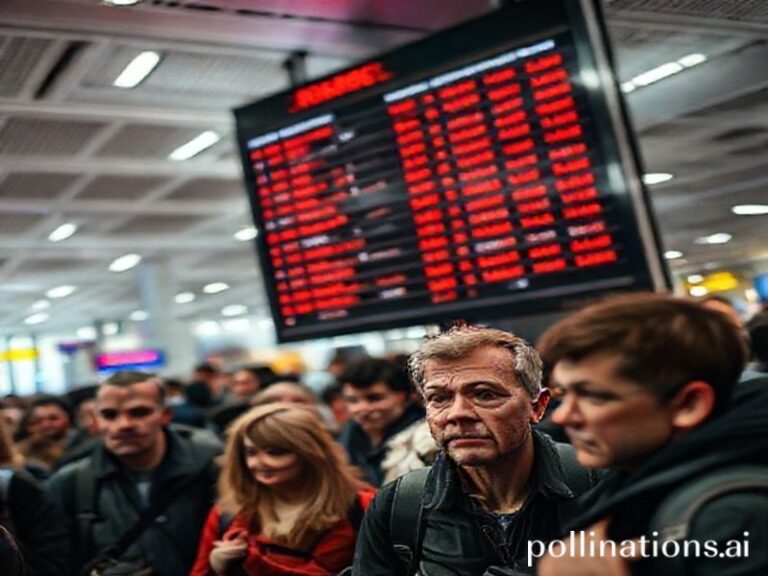
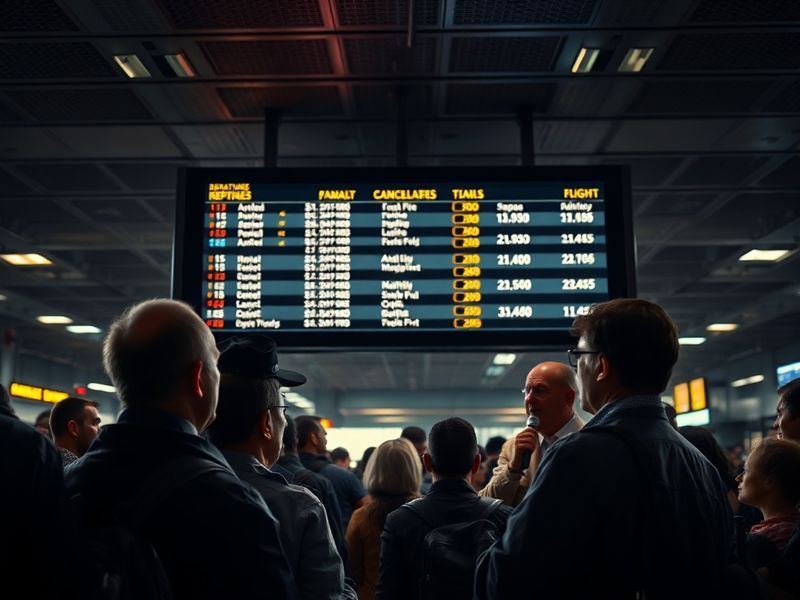
Passenger experience is taking a hit as airlines consolidate operations. Flight cancellations have led to increased wait times at airports, with many travelers reporting difficulties rebooking on alternative flights. Airlines are prioritizing full-fare passengers and loyalty program members, leaving leisure travelers scrambling for options.
In response to the chaos, some airlines have introduced fuel surcharges as a temporary measure. While these fees help offset costs, they risk alienating price-sensitive customers who may opt for ground transportation or alternative carriers. The long-term impact on brand loyalty remains uncertain.
For a closer look at how airlines are adjusting their service models amid these challenges, check out our Travel section for ongoing coverage of industry trends.
Impact on Travelers and the Broader Economy
Passengers are feeling the pinch in multiple ways. Families planning vacations face higher airfare costs, while business travelers see their corporate travel budgets stretched thin. The cancellations have also created logistical nightmares, with many passengers stranded at airports for extended periods.
The economic ripple effects extend beyond airlines. Tourism-dependent regions are experiencing reduced visitor numbers, impacting local businesses. Hotels, restaurants, and attractions that rely on air travel are reporting lower revenues, particularly in destinations served primarily by regional carriers.
For travelers seeking alternatives, ground transportation options are becoming more appealing. Amtrak has reported a surge in bookings on long-distance routes, while bus companies have added extra departures to popular destinations. However, these options often require more time and may not be feasible for international travel.
The situation has also affected air cargo operations. Freight carriers have reduced capacity by canceling some flights, leading to delays in shipping critical goods. E-commerce businesses are particularly vulnerable, as extended delivery times could impact customer satisfaction during peak shopping seasons.
What’s Next for the Airline Industry
- Fuel Hedging Strategies: Airlines may increase hedging activities to lock in fuel prices for future periods, though this carries its own risks if prices decline unexpectedly.
- Route Optimization: Carriers are likely to further reduce or eliminate unprofitable routes, focusing on high-demand international and domestic hubs.
- Technology Investments: Airlines are accelerating investments in fuel-efficient aircraft and sustainable aviation fuels (SAF) to mitigate long-term cost pressures.
- Regulatory Advocacy: Industry groups may push for policy changes to ease regulatory burdens on fuel production and distribution.
- Passenger Compensation: Governments could intervene to enforce stricter compensation rules for passengers affected by cancellations, adding to airlines’ financial burdens.
The coming months will be critical for the airline industry as it navigates this latest crisis. While some carriers have the financial cushion to weather the storm, smaller operators may face insolvency if fuel prices remain elevated. The situation underscores the fragility of the aviation sector, which remains highly sensitive to external economic shocks.
For more insights into the financial pressures facing airlines, explore our Business section, where we analyze the broader economic impacts of this crisis.
Final Thoughts
The airline industry’s current struggles highlight the complex interplay between global economics, geopolitics, and consumer behavior. While fuel costs are beyond the control of individual carriers, their responses will determine which airlines survive and thrive in the coming years. Passengers, meanwhile, must adapt to a new reality where air travel is less predictable and more expensive.
As the situation evolves, travelers should monitor airline announcements closely and consider flexible booking options where available. The industry’s recovery will depend not only on stabilizing fuel prices but also on airlines’ ability to innovate and adapt to a rapidly changing landscape.