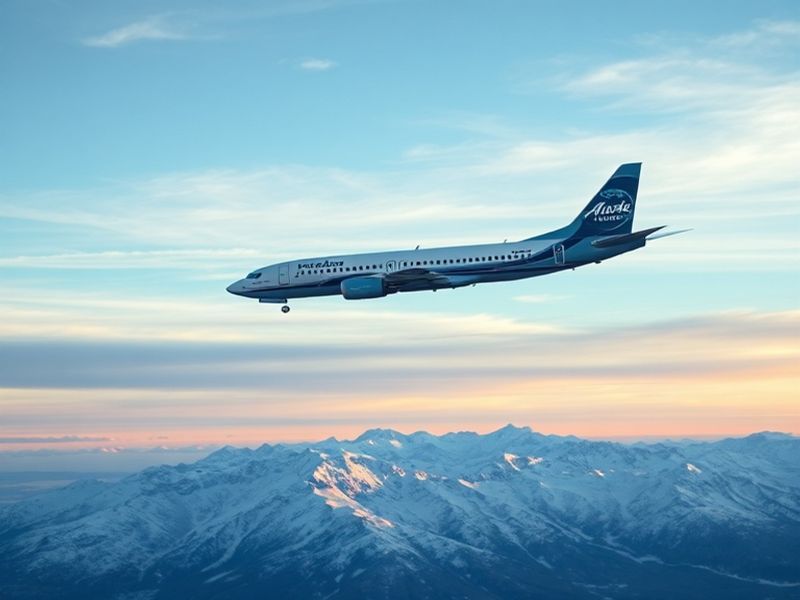
Alaska Airlines: How This Airline Stands Out in a Competitive Market
“`html
Alaska Airlines: A Legacy of Innovation and Customer Focus
Alaska Airlines has long stood out in the crowded U.S. airline industry, not just for its scenic routes across the Pacific Northwest and beyond, but for its commitment to customer service, operational reliability, and strategic innovation. Founded in 1932 as McGee Airways, the airline began with a single three-passenger plane in Anchorage, Alaska. Over the decades, it has grown into a major carrier, now operating over 120 aircraft to more than 115 destinations across the United States, Mexico, Canada, and Costa Rica.
What sets Alaska Airlines apart is its unwavering focus on delivering a consistent travel experience, even as the industry faces rising fuel costs, labor shortages, and shifting consumer expectations. The airline’s loyalty program, Mileage Plan, remains one of the most valuable in the industry, consistently ranking at the top for award availability and redemption options. This reputation for reliability and value has helped Alaska Airlines maintain a loyal customer base, even amid intense competition from larger carriers like Delta and United.
Operational Excellence and Fleet Modernization
One of Alaska Airlines’ most notable strengths is its operational efficiency. In 2023, the airline achieved a remarkable 88% on-time performance, outperforming the industry average by nearly 10 percentage points. This consistency is no accident—it reflects years of investment in technology, crew training, and process optimization. For frequent flyers, this reliability translates into fewer missed connections and a smoother overall journey.
The airline’s fleet modernization efforts have also played a critical role in its success. Alaska Airlines was an early adopter of the Boeing 737 MAX, placing an order for 68 aircraft in 2019. These planes, known for their fuel efficiency and advanced avionics, have allowed the airline to reduce operating costs while improving passenger comfort. The MAX fleet now accounts for nearly half of Alaska’s total aircraft, with deliveries expected to continue through 2026. This transition not only enhances the airline’s bottom line but also reduces its environmental footprint—a key consideration for today’s eco-conscious travelers.
Beyond the MAX, Alaska Airlines has also invested in retrofitting its existing fleet with updated interiors, including new seats, Wi-Fi systems, and in-flight entertainment options. These upgrades ensure that passengers experience a modern and comfortable cabin, regardless of which aircraft they fly on. The airline’s focus on fleet renewal has positioned it well to meet future demand while maintaining its reputation for quality.
The Mileage Plan Advantage: Loyalty That Pays Off
Alaska Airlines’ Mileage Plan loyalty program is often cited as one of the best in the industry, and for good reason. Unlike many competitors that devalue points or restrict award availability, Alaska’s program remains customer-friendly. Members can redeem miles for flights with minimal blackout dates, and the program offers a variety of flexible redemption options, including partner airlines like American, Qantas, and Cathay Pacific.
A key feature of the Mileage Plan is its straightforward earning structure. Members earn miles based on flight distance and fare class, with no blackout dates or capacity restrictions. This transparency has made the program particularly attractive to business travelers and families who prioritize flexibility. Additionally, Alaska Airlines frequently offers promotions that allow members to earn bonus miles, further enhancing the program’s value.
The airline’s partnership strategy has also strengthened the Mileage Plan’s appeal. By collaborating with major hotel chains, car rental companies, and financial institutions, Alaska Airlines has created a robust ecosystem where members can earn and redeem miles across multiple travel categories. This approach not only increases customer retention but also drives ancillary revenue—a critical factor in the airline’s financial health.
For those looking to maximize their travel rewards, Dave’s Locker’s travel category offers expert insights and tips on navigating loyalty programs, including detailed breakdowns of how to get the most value from the Mileage Plan.
Navigating Challenges: Labor, Sustainability, and Competition
Despite its many strengths, Alaska Airlines has not been immune to industry challenges. The airline has faced labor shortages in key areas, including pilot and maintenance staff, which have led to operational disruptions. In response, Alaska has increased wages and benefits to attract and retain talent, a strategy that has yielded positive results in recent months. The airline’s management has emphasized the importance of maintaining a stable workforce to ensure consistent service quality.
Sustainability is another area where Alaska Airlines has taken a proactive stance. The airline has committed to achieving net-zero carbon emissions by 2040, a goal that aligns with broader industry trends toward reducing environmental impact. Alaska’s strategy includes investing in sustainable aviation fuel (SAF), optimizing flight routes to reduce fuel consumption, and exploring electric and hybrid aircraft for regional operations. While these efforts require significant upfront investment, they position the airline as a leader in corporate responsibility within the aviation sector.
Competition remains fierce, particularly from low-cost carriers like Spirit and Frontier, which have expanded their presence in Alaska’s core markets. To counter this, the airline has focused on differentiating itself through superior customer service and a premium loyalty program. Alaska’s decision to maintain a single-class cabin on most routes—unlike competitors that offer basic economy fares—has also resonated with travelers who prioritize value over ultra-low prices.
A Look Ahead: What’s Next for Alaska Airlines?
As Alaska Airlines looks to the future, several key initiatives will shape its trajectory. The ongoing expansion of its Boeing 737 MAX fleet will continue to improve efficiency and passenger experience, while the airline’s sustainability efforts will likely become a bigger part of its marketing and operational strategy. Additionally, Alaska is exploring opportunities to strengthen its international presence, particularly in Mexico and Canada, where demand for travel remains strong.
The airline’s recent acquisition of a minority stake in Hawaiian Airlines is another strategic move designed to enhance its network connectivity in the Pacific. This partnership could pave the way for codeshare agreements and joint ventures, further solidifying Alaska’s position as a dominant player in West Coast travel. For industry observers, these developments underscore the airline’s commitment to growth while maintaining its core values of reliability and customer service.
For travelers, the future of Alaska Airlines looks promising. With a modern fleet, a best-in-class loyalty program, and a clear focus on sustainability, the airline is well-positioned to meet the evolving demands of the market. Whether it’s a weekend getaway to Seattle, a business trip to Los Angeles, or a family vacation to Mexico, passengers can expect a consistently high-quality experience.
As the airline industry continues to evolve, Alaska Airlines’ ability to balance innovation with its customer-first ethos will be critical. For now, it remains a standout carrier—one that proves that reliability, value, and a commitment to excellence can still set an airline apart in a competitive landscape.