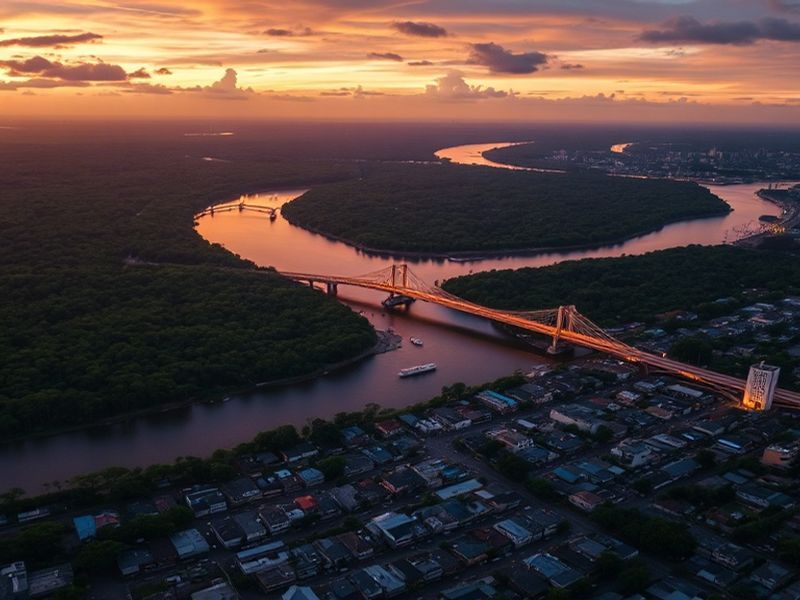
Nestled deep within the heart of the Amazon rainforest, Manaus stands as a testament to human resilience and cultural fusion. This Brazilian city, often overshadowed by its lush surroundings, offers far more than just a gateway to the jungle. From its rich history to its modern urban pulse, Manaus reveals layers of complexity that challenge common perceptions of Amazonian life.
The Historical Crossroads of Manaus
Founded in 1669 as a remote Portuguese fort, Manaus evolved from a defensive outpost into a thriving commercial hub during the 19th-century rubber boom. The city’s opulent opera house, Teatro Amazonas, remains a symbol of that golden era—a lavish structure built with European materials and labor, shipped thousands of miles inland. While rubber wealth faded, its architectural legacy endured, embedding Manaus with a unique identity.
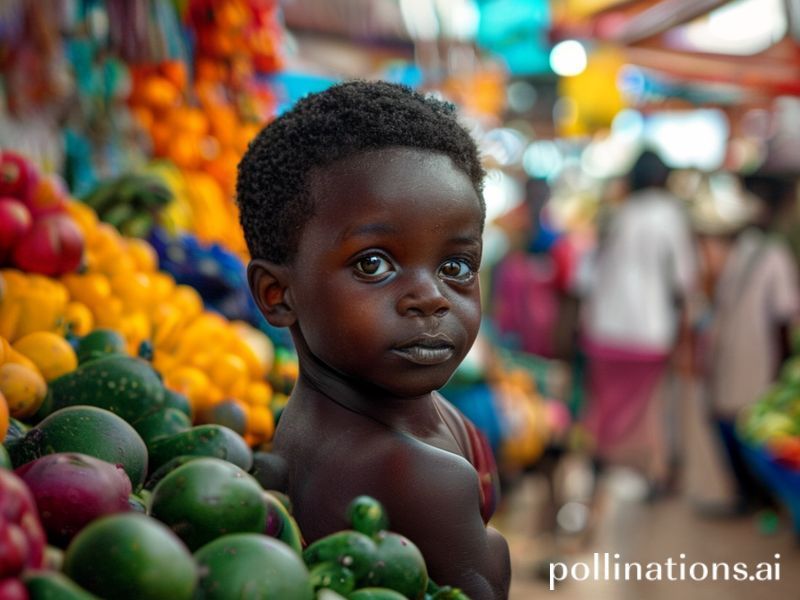
Beyond its gilded past, the city became a melting pot. Indigenous, European, African, and Asian influences blended through trade and migration, creating a cultural tapestry still visible today. The Mercado Municipal, or “Portuguese Market,” exemplifies this mix, where vendors sell fresh açaí, exotic fruits, and handcrafted indigenous art side by side with imported goods.
A City of Contrasts
Manaus exists in stark contrast to the untouched wilderness surrounding it. On one side lies the dense, humid expanse of the Amazon; on the other, a modern metropolis with over 2 million residents, sprawling neighborhoods, and a bustling port. The juxtaposition is striking—condominiums rise next to floating communities, and highways cut through protected reserves, raising environmental and social questions.
This duality reflects broader tensions in the Amazon region. Economic development, conservation, and indigenous rights often collide here. The city serves as both an economic engine for northern Brazil and a flashpoint in debates over sustainable growth. Its Free Trade Zone, created in 1967, turned Manaus into an industrial center, attracting factories and workers from across the country—yet it has also drawn criticism for environmental impact.
Living with the Amazon: Challenges and Adaptations
The relationship between Manaus and its environment is deeply intertwined. Flooding during the rainy season disrupts daily life, while droughts strain water supplies. Residents have adapted with ingenuity—homes on stilts, floating markets, and river-based transportation systems are part of everyday life. Yet climate change is intensifying these cycles, pushing the city to rethink its infrastructure.
Healthcare in Manaus faces unique challenges. Remote access to medical services remains a hurdle, and diseases like malaria and dengue persist despite eradication efforts. During the COVID-19 pandemic, Manaus became a tragic symbol of crisis, with overwhelmed hospitals and oxygen shortages making international headlines. The experience underscored both the city’s vulnerabilities and the resilience of its people.
Preservation and Progress
Efforts to balance development with conservation are ongoing. Organizations like the Amazon Environmental Research Institute work to monitor deforestation and support sustainable livelihoods. Meanwhile, local initiatives promote eco-tourism, inviting visitors to explore the jungle responsibly while supporting indigenous communities.
Manaus also plays a key role in Brazil’s scientific research. The National Institute of Amazonian Research (INPA), headquartered here, conducts groundbreaking studies on biodiversity, climate change, and indigenous knowledge. Its work highlights the city’s importance not just as a commercial center, but as a hub for understanding the Amazon’s global significance.
Why Manaus Matters Beyond Its Borders
The story of Manaus extends far beyond Brazil. As a strategic port on the Negro River—tributary to the mighty Amazon—it connects the interior of South America to global trade routes. Its Free Trade Zone attracts multinational corporations, making it a critical node in the manufacturing supply chain, particularly for electronics and motorcycles.
Culturally, Manaus contributes to Brazil’s diverse identity. Its music, festivals, and cuisine reflect the Amazon’s blend of tradition and modernity. The annual Boi Manaus festival, a celebration of local folklore, draws thousands and showcases the city’s vibrant arts scene.
Yet, its global relevance is often overlooked. Manaus sits at the intersection of pressing global issues: climate change, biodiversity loss, economic inequality, and cultural preservation. The choices made here—about development, conservation, and governance—will resonate far beyond the Amazon basin.
Key Takeaways About Manaus
- Historical Legacy: Manaus rose to prominence during the rubber boom and retains architectural and cultural traces of that era.
- Urban-Amazon Duality: It’s a modern city built within one of the world’s most biodiverse regions, creating unique social and environmental dynamics.
- Economic Engine: The Free Trade Zone drives industry, but also raises concerns about sustainability and equity.
- Resilience in Crisis: From floods to pandemics, Manaus has faced repeated challenges, testing its adaptability.
- Global Significance: As a trade, research, and cultural hub, its decisions impact broader environmental and economic conversations.
A City Worth Knowing
Manaus defies simple definitions. It’s not just a starting point for Amazon adventures—it’s a living, evolving entity shaped by history, geography, and human ambition. For travelers, scholars, and policymakers alike, understanding Manaus offers insight into the future of the Amazon, the challenges of sustainable urban growth, and the enduring power of cultural identity.
As the world turns its attention to climate and conservation, cities like Manaus will increasingly shape the conversation. Their struggles and innovations will determine whether development and nature can coexist—or whether one must give way to the other. In that sense, Manaus is more than a destination. It’s a mirror.
For those willing to look beyond the postcard image of the rainforest, Manaus reveals a deeper story—one of complexity, contradiction, and quiet resilience.