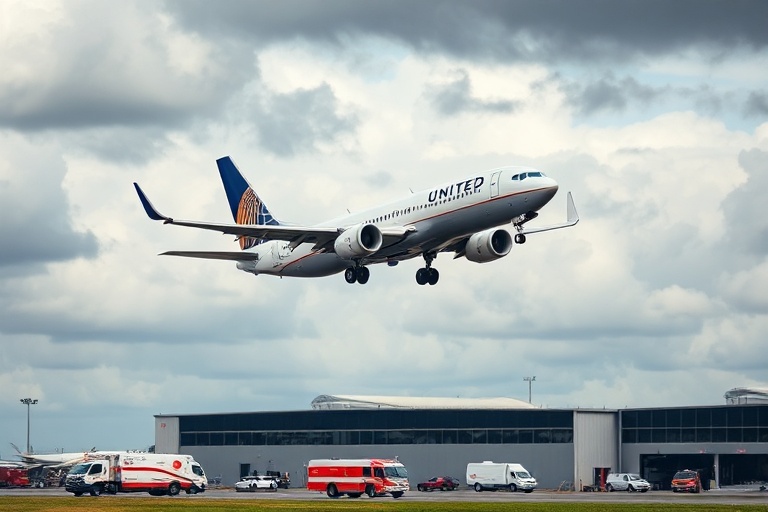
How Alaska Air Group Outperforms in a Competitive Airline Market
“`html
Alaska Air Group: A Study in Strategic Adaptation and Industry Influence
Alaska Air Group has long stood out in the crowded airline industry, not just for its operational reliability but for its ability to pivot strategically amid shifting economic winds. The parent company of Alaska Airlines and Horizon Air has quietly built a reputation as a nimble competitor, balancing cost efficiency with customer-centric innovations. In an era where airlines frequently grapple with fuel price volatility and shifting consumer demands, Alaska Air Group’s approach offers a compelling case study in resilience.
The Evolution of Alaska Air Group’s Business Model
Founded in 1932 as McGee Airways, Alaska Air Group has transformed from a regional carrier into a major player in the domestic airline market. Its growth trajectory reflects deliberate strategic choices, particularly in fleet modernization and route expansion. Unlike some competitors that pursued aggressive international expansion, Alaska Air Group focused on strengthening its West Coast hubs and cultivating loyalty through its Mileage Plan program.
The airline’s decision to acquire Virgin America in 2016 marked a turning point. The merger wasn’t merely about adding aircraft—it was about integrating a premium service model into Alaska’s existing network. This move allowed Alaska to appeal to a broader demographic while maintaining its reputation for operational excellence. The integration process, though complex, demonstrated the company’s commitment to long-term vision over short-term gains.
Key Strategic Moves Over the Past Decade
- Fleet Standardization: Transitioning to a primarily Boeing 737 fleet simplified maintenance and reduced operational costs.
- Loyalty Program Growth: The Mileage Plan became one of the most valuable airline loyalty programs in the U.S., driving repeat business.
- Route Optimization: Strategic partnerships, such as the one with American Airlines, expanded connectivity without significant capital expenditure.
- Customer Experience Initiatives: Investments in in-flight Wi-Fi, improved seating, and enhanced baggage policies differentiated Alaska from budget competitors.
These strategies collectively positioned Alaska Air Group as a hybrid carrier—offering the affordability of a low-cost airline while delivering the service quality of a legacy carrier.
Operational Excellence and Financial Performance
Alaska Air Group’s financial stability has been a hallmark of its success. Despite industry-wide challenges such as rising fuel costs and labor shortages, the company has maintained consistent profitability. Its operating margin has often outperformed larger rivals, a testament to disciplined cost management and revenue diversification.
One of the most significant operational advantages for Alaska Air Group is its strong presence in Seattle, a city that serves as both a tech hub and a gateway to Alaska. This geographic focus allows the airline to tap into high-demand business and leisure travel markets. Additionally, the company’s investment in airport infrastructure, such as the modernization of its Seattle-Tacoma International Airport terminal, has improved efficiency and passenger satisfaction.
The airline’s commitment to sustainability further enhances its brand. Alaska Air Group has been a leader in adopting sustainable aviation fuels (SAF) and reducing carbon emissions, aligning with growing consumer preferences for eco-conscious travel. These efforts not only mitigate regulatory risks but also appeal to younger, environmentally aware travelers.
The Broader Implications for the Airline Industry
Alaska Air Group’s success offers broader lessons for the airline industry. In an era where consolidation is common, the company’s organic growth strategy stands out. Its ability to balance scale with agility suggests that airlines don’t need to be the largest to be the most effective. Instead, success may hinge on operational discipline, customer-centric innovation, and strategic partnerships.
The airline’s approach also highlights the importance of adaptability in a post-pandemic world. While many carriers struggled to recover from the COVID-19 downturn, Alaska Air Group rebounded quickly, thanks in part to its strong balance sheet and diversified revenue streams. This resilience underscores the value of diversification—not just in routes, but in business models.
Moreover, Alaska Air Group’s focus on employee satisfaction has translated into better customer service. Happy employees are more likely to go the extra mile, a principle that has become increasingly important as airlines compete for passenger loyalty in a crowded market. This people-first approach contrasts with the cost-cutting measures that have sometimes alienated customers at other carriers.
Looking Ahead: Challenges and Opportunities
Despite its strengths, Alaska Air Group faces challenges. The airline industry remains highly competitive, with low-cost carriers and international airlines constantly vying for market share. Additionally, labor negotiations and rising wages could pressure profit margins in the coming years. The company’s ability to manage these costs while maintaining service quality will be critical.
On the opportunity side, Alaska Air Group is well-positioned to capitalize on the resurgence of domestic travel. The company’s strong brand recognition in the Pacific Northwest and its expanding presence in California provide fertile ground for growth. Furthermore, its investments in technology, such as AI-driven customer service tools, could streamline operations and enhance the passenger experience.
Another potential growth area is cargo. The pandemic demonstrated the value of air cargo as a revenue stream, and Alaska Air Group has begun to expand its cargo operations. This diversification could provide a buffer against future travel disruptions.
Future Outlook: What to Watch
- Fleet Expansion: Will Alaska Air Group continue to modernize its fleet, or will it explore new aircraft types to meet sustainability goals?
- Partnerships: Could further alliances with international carriers open new routes and revenue streams?
- Technology Investments: How will the company leverage AI and data analytics to improve efficiency and customer satisfaction?
- Regulatory Changes: Will upcoming environmental regulations impact the airline’s operational flexibility?
For travel enthusiasts and industry observers alike, Alaska Air Group represents more than just an airline—it’s a model of how strategic adaptation can drive long-term success. As the company continues to evolve, its story offers valuable insights into the future of aviation.
For further reading on airline industry trends and strategic adaptations, explore our Travel and Business categories on Dave’s Locker.