Essential Guide to Storm Damage Restoration and Recovery
Understanding Storm Damage Restoration
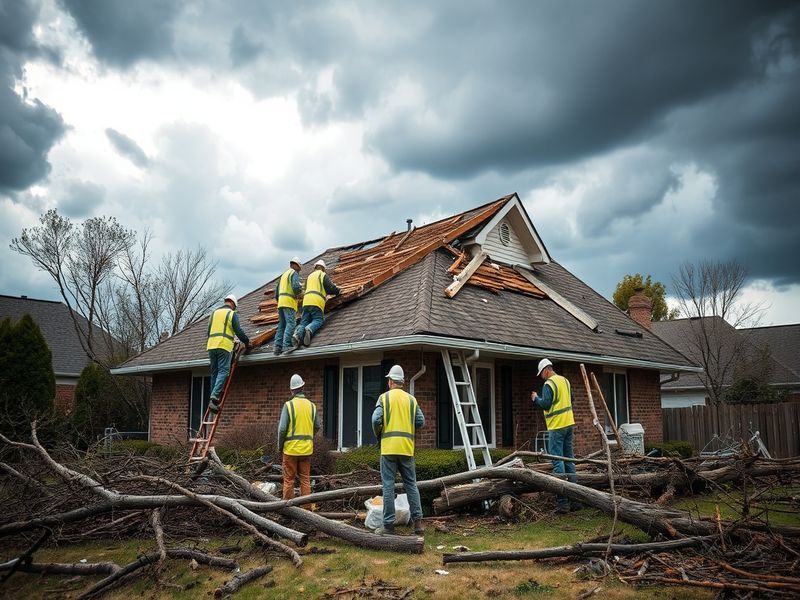
Storm damage restoration is a critical process that helps homeowners and businesses recover from the devastating effects of severe weather. Whether it’s a hurricane, tornado, or heavy rainfall, storms can lead to significant property damage, impacting both the physical structure and the emotional well-being of those affected. This article explores the various aspects of storm damage restoration, the steps involved, and its broader implications for communities.
The Restoration Process
The restoration process typically begins immediately after the storm has passed. The first step is to assess the extent of the damage. Professionals in the field use specialized equipment to evaluate structural integrity, water damage, and any potential hazards. Following the assessment, the restoration process can be divided into several key phases:
- Emergency Services: This includes securing the property, removing debris, and addressing immediate threats like water leaks.
- Water Extraction: If flooding has occurred, water removal is essential to prevent further damage and mold growth.
- Drying and Dehumidification: Thorough drying is crucial to eliminate moisture and prevent mold proliferation.
- Repairs and Reconstruction: This phase involves repairing structural damage, replacing damaged materials, and restoring the property to its original condition.
- Final Inspection: A comprehensive review ensures that all repairs meet safety standards and that the property is ready for habitation.
Challenges in Storm Damage Restoration
The restoration process is often complicated by various factors, including the severity of the storm, the type of damage sustained, and the availability of resources. For instance, prolonged power outages and supply chain disruptions can delay repairs. Additionally, the emotional toll on homeowners can complicate decision-making processes.
Insurance plays a significant role in storm damage restoration. Many homeowners are unaware of the specifics of their policies, which can lead to confusion during the claims process. Understanding coverage limits and exclusions is essential for effective recovery. Restoration professionals often work closely with insurance companies to expedite claims and ensure that clients receive the necessary support.
The Broader Implications of Storm Damage Restoration
Beyond individual recovery, storm damage restoration has broader implications for communities and local economies. Effective restoration can help stabilize neighborhoods, allowing residents to return home swiftly and resume normal life. Furthermore, it plays a pivotal role in preventing long-term economic downturns in areas frequently impacted by storms.
Moreover, the restoration industry itself contributes significantly to local economies. It creates jobs in construction, logistics, and customer service. As communities rebuild, the demand for skilled labor and materials increases, fostering economic growth. However, reliance on these industries also raises concerns about sustainability and environmental impact, particularly in areas prone to repeated storms.
Best Practices for Homeowners
Homeowners can take proactive steps to prepare for potential storm damage and streamline the restoration process. Here are some best practices:
- Regular Maintenance: Conduct routine inspections of roofs, gutters, and drainage systems to minimize damage during storms.
- Emergency Plan: Create a response plan that includes contact information for restoration services and insurance agents.
- Documentation: Keep an inventory of personal belongings and take photographs of your property to assist in the claims process.
- Stay Informed: Monitor weather alerts and updates to prepare for impending storms.
- Educate Yourself: Familiarize yourself with your insurance policy and the restoration process.
By following these practices, homeowners can mitigate risks and enhance their resilience against future storms.
In conclusion, storm damage restoration is a multifaceted process that requires careful planning and execution. Understanding the steps involved, the challenges faced, and the broader implications can empower individuals and communities to recover more effectively. As climate change continues to impact weather patterns, the importance of preparedness and resilience will only grow, making storm damage restoration a critical focus for homeowners and local governments alike.