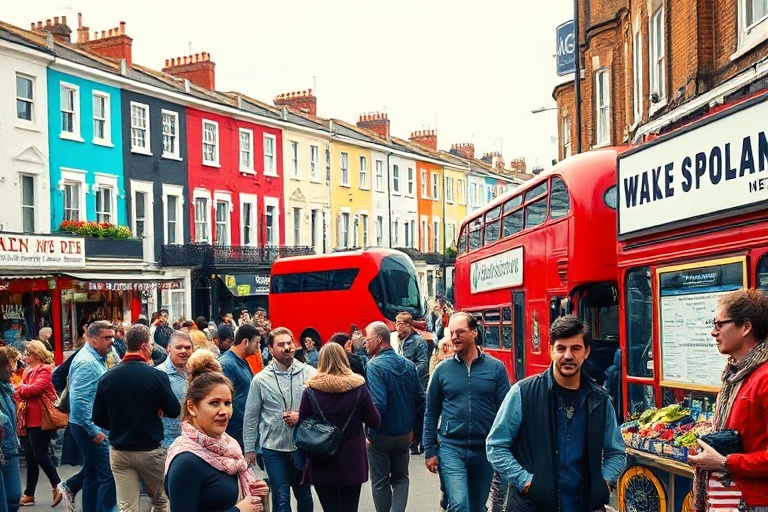
Waltham Forest: London’s Rising Cultural and Creative Hub
Waltham Forest, one of London’s most dynamic boroughs, has transformed from a quiet corner of the capital into a vibrant center of creativity and community. With its rich history, diverse population, and thriving arts scene, the area offers residents and visitors alike a unique blend of urban energy and local charm. From its industrial past to its present-day cultural renaissance, Waltham Forest tells a story of evolution and resilience.
A Neighborhood Shaped by Industry and Migration
Waltham Forest’s identity has been forged through waves of industrialization and migration. The borough’s roots trace back to the 17th century, but its modern character took shape during the Industrial Revolution, when factories and workshops lined its streets. The arrival of the railway in the 19th century accelerated growth, turning Waltham Forest into a key manufacturing and transportation hub.
By the mid-20th century, the area became a magnet for immigrants, particularly from the Caribbean and South Asia. This influx of cultures left an indelible mark on the borough’s culinary and artistic landscape. Today, Waltham Forest is one of the most ethnically diverse areas in London, with over 150 languages spoken among its residents. This diversity is celebrated in everything from its food markets to its community festivals.
The borough’s industrial heritage is still visible in places like the William Morris Gallery, which honors the legacy of the Arts and Crafts movement and its ties to Waltham Forest. The gallery, set in Morris’s former home, serves as a reminder of the area’s creative past and its ongoing influence.
The Arts Scene: From Underground to Mainstream
Waltham Forest has quietly cultivated one of London’s most exciting arts scenes. The borough is home to a thriving network of independent galleries, street artists, and creative collectives. The arts community here is characterized by its grassroots energy, with local initiatives often leading the charge in cultural innovation.
One of the standout venues is the William Morris Gallery, which not only preserves the borough’s artistic history but also hosts contemporary exhibitions. Nearby, the Lloyd Park area has become a hotspot for pop-up galleries and open-air art installations. The annual Waltham Forest Garden Party further cements the borough’s reputation as a cultural hotspot, drawing artists and audiences from across London.
The music scene in Waltham Forest is equally dynamic. The borough has produced and nurtured talent across genres, from grime and UK drill to indie and jazz. Venues like the Hackney Empire—just a short distance away—have hosted legendary performances, while local pubs and community centers continue to provide platforms for emerging artists.
This artistic energy isn’t confined to traditional spaces. Waltham Forest has embraced street art as a form of public expression, with murals and installations adorning walls throughout the borough. Projects like the Waltham Forest Street Art Trail encourage residents to explore the area’s creativity while supporting local artists.
Green Spaces and Urban Renewal
Despite its urban setting, Waltham Forest is one of London’s greenest boroughs. Over a third of its land area is dedicated to parks and natural spaces, offering a welcome respite from the city’s hustle. Epping Forest, a sprawling ancient woodland, provides a natural escape just a stone’s throw from the borough’s center. The forest is a haven for walkers, cyclists, and wildlife enthusiasts, with its 6,000 acres of protected land.
Closer to the urban core, Lloyd Park serves as the borough’s green heart. The park features a mix of formal gardens, woodlands, and open spaces, alongside facilities like a café, sports courts, and a children’s playground. It’s a popular spot for picnics, outdoor yoga, and community events.
The borough’s commitment to green spaces extends beyond recreation. Waltham Forest has been at the forefront of London’s urban greening initiatives, with projects like the Mini-Holland scheme transforming streetscapes. This £30 million program aimed to reduce traffic and improve cycling and walking routes, making the borough safer and more sustainable. The results are evident in the tree-lined streets, widened pavements, and new cycling lanes that now crisscross Waltham Forest.
These efforts haven’t gone unnoticed. Waltham Forest was named the UK’s first Green Flag Community in 2019, recognizing its high standards of park management and environmental stewardship. The borough’s green credentials are a key part of its appeal, attracting families and professionals who value a balance between urban living and nature.
Economic Growth and Community Development
Waltham Forest’s economic landscape is as diverse as its population. The borough has seen significant investment in recent years, with new housing developments, retail spaces, and business hubs reshaping its commercial outlook. While gentrification remains a concern, local leaders are working to ensure that growth benefits existing residents.
The Blackhorse Lane area is a prime example of this transformation. Once an industrial zone, it’s now home to a mix of creative studios, co-working spaces, and artisan workshops. The Blackhorse Workshop, a maker space and café, exemplifies the borough’s shift toward a more sustainable and community-focused economy. It provides resources and support for local entrepreneurs, from woodworkers to tech startups.
Retail is another area of growth. The Walthamstow Market, one of London’s longest outdoor markets, is a microcosm of the borough’s diversity. Stretching over a mile, it offers everything from fresh produce and vintage clothing to global street food. The market is not just a shopping destination but a social hub, where residents gather to catch up and celebrate their cultures.
However, economic progress hasn’t come without challenges. Like many parts of London, Waltham Forest faces issues like rising rents and displacement pressures. The borough’s council has implemented policies to protect affordable housing and support small businesses, but the tension between development and preservation remains a lively topic of debate.
Community organizations play a crucial role in addressing these challenges. Groups like the Waltham Forest Citizens Advice Bureau and the Blackhorse Community Centre provide vital services, from financial advice to youth programs. Their work ensures that the borough’s most vulnerable residents aren’t left behind as it grows.
Education and Innovation: The Next Generation
Waltham Forest is also investing in its future through education and innovation. The borough is home to several well-regarded schools, including the Sir George Monoux College, which has a strong reputation for academic and vocational training. These institutions are preparing students not just for exams, but for careers in the borough’s evolving job market.
Higher education is represented by the London College of Fashion’s satellite campus in nearby Stratford, which brings creative talent to the area. The campus offers courses in fashion design, marketing, and business, aligning with Waltham Forest’s growing reputation in the creative industries.
Innovation is another focus. The borough has partnered with tech incubators and universities to foster entrepreneurship. Programs like the Waltham Forest Business Growth Programme provide mentorship and funding for startups, particularly those in green tech and digital media. These initiatives aim to create jobs and opportunities within the community, keeping talent local.
For young people, the borough offers a range of extracurricular activities. From coding clubs to music production workshops, there’s no shortage of ways to explore new interests. The Lloyd Park Youth and Community Centre is a hub for these programs, giving teens a safe space to learn and socialize.
A Borough on the Rise
Waltham Forest’s story is one of transformation. From its industrial roots to its current status as a cultural and economic hotspot, the borough has continually reinvented itself while staying true to its community values. Its blend of green spaces, creative energy, and diverse population makes it a standout in London’s ever-changing landscape.
As Waltham Forest continues to grow, the challenge will be balancing progress with preservation. Ensuring that new developments benefit existing residents, protecting green spaces, and fostering local talent are all critical to maintaining the borough’s unique character. For now, Waltham Forest is a place where history and innovation coexist, where every street corner tells a story.
Whether you’re drawn by its arts scene, its green spaces, or its vibrant communities, Waltham Forest offers something for everyone. It’s a borough that punches above its weight, proving that even in a city as vast as London, smaller neighborhoods can have outsized impact.