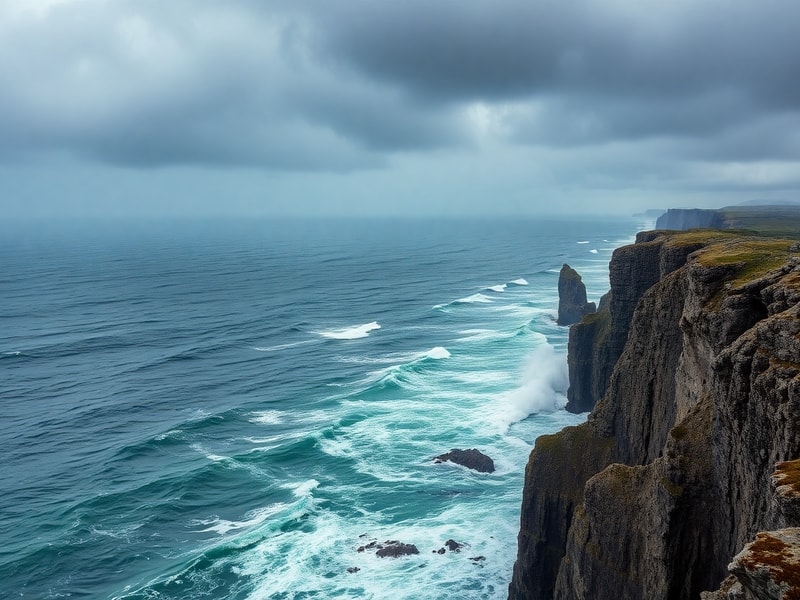
The Atlantic Ocean stretches from the icy waters of the Arctic in the north to the stormy seas around Antarctica in the south. It separates the Americas from Europe and Africa, acting as both a barrier and a bridge between continents. This vast body of water covers approximately 106.5 million square kilometers, making it the second-largest ocean on Earth after the Pacific. Its depth varies dramatically, with the Puerto Rico Trench plunging to nearly 8,400 meters—deeper than Mount Everest is tall.
Historically, the Atlantic has been the stage for some of humanity’s most daring explorations. Christopher Columbus’s 1492 voyage across the Atlantic, funded by Spain, marked the beginning of sustained European contact with the Americas. This crossing reshaped global trade, culture, and politics. By the 17th and 18th centuries, the Atlantic became the center of the transatlantic slave trade, forcibly transporting millions of Africans to the Americas. The scars of this dark period remain embedded in the collective memory of nations on both sides of the ocean.
Today, the Atlantic is more than just a historical crossroads. It supports vital ecosystems, drives global weather patterns, and fuels economies through shipping, fishing, and energy production. Yet, it faces unprecedented threats from climate change, overfishing, and pollution. Understanding the Atlantic Ocean means grappling with its past, navigating its present challenges, and preparing for its future.
The Atlantic’s Role in Global Climate and Weather
The Atlantic Ocean plays a crucial role in regulating Earth’s climate. Its currents, such as the Gulf Stream, transport warm water from the tropics toward the poles, moderating temperatures in Europe and North America. Without these currents, cities like London or New York would experience far harsher winters. The Atlantic also absorbs vast amounts of carbon dioxide, acting as a carbon sink that helps mitigate climate change.
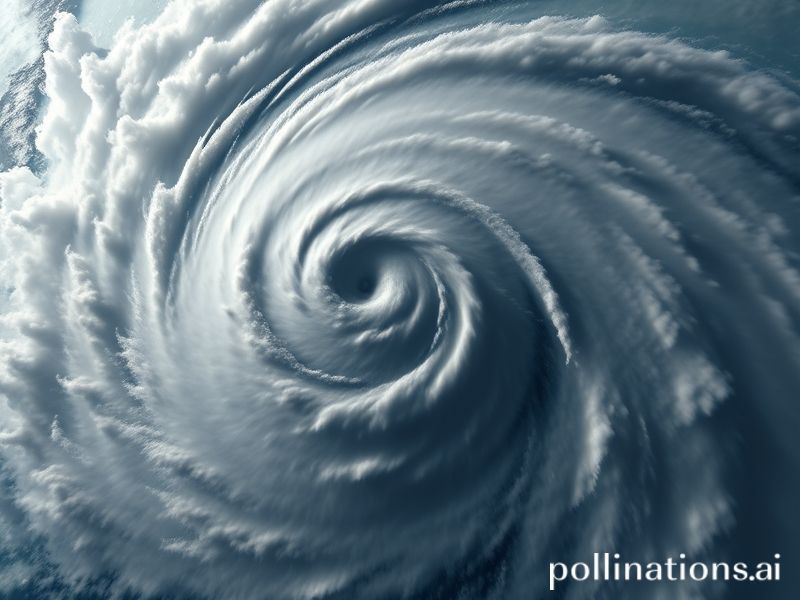
However, this balancing act is under threat. Rising global temperatures are disrupting ocean currents, leading to unpredictable weather patterns. The Atlantic hurricane season, which runs from June to November, has become more intense and destructive in recent years. Hurricanes like Maria (2017) and Dorian (2019) demonstrated the ocean’s raw power and the vulnerability of coastal communities.
Scientists warn that melting ice from Greenland could further slow the Gulf Stream, potentially causing abrupt climate shifts. Such changes could alter rainfall patterns in Africa and South America, impacting agriculture and food security. The Atlantic’s climate influence extends beyond weather—it shapes economies and livelihoods across three continents.
Economic and Cultural Connections Across the Atlantic
The Atlantic has long been a highway for commerce and culture. Since the 16th century, trade routes have connected ports in Lisbon, New York, and Rio de Janeiro. Today, the ocean remains a critical shipping lane, carrying over 60% of global trade by volume. The Panama and Suez Canals, though artificial, underscore the Atlantic’s centrality in global logistics.
Culturally, the Atlantic has fostered exchanges that define modern identities. African rhythms, European art, and American innovations have blended in the Caribbean, Brazil, and the Southern United States. Genres like jazz, blues, and salsa emerged from these cross-cultural interactions, rooted in the shared history of displacement and resilience. Even today, festivals like Rio’s Carnival or New Orleans’ Mardi Gras celebrate this legacy.
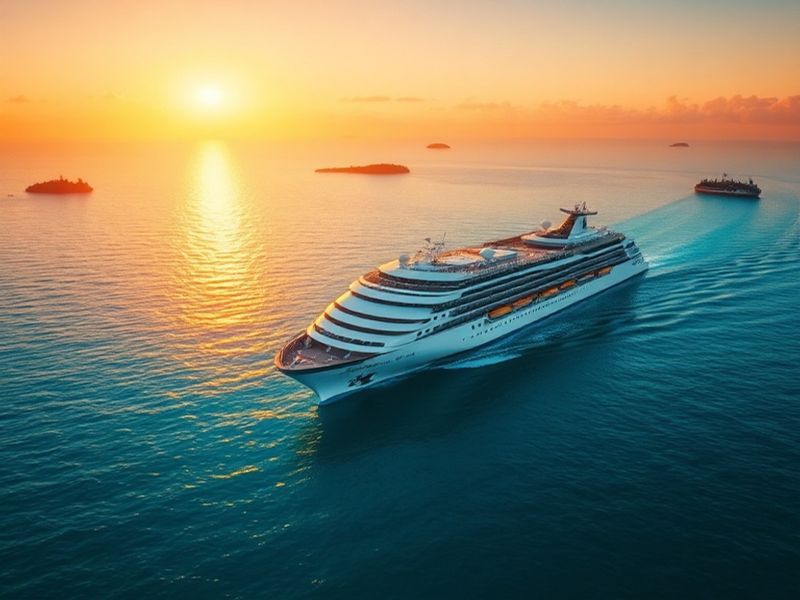
The ocean also fuels industries that sustain millions. Fishing communities from Newfoundland to West Africa rely on Atlantic waters for their livelihoods. Offshore oil and gas drilling, particularly in the North Sea and Gulf of Mexico, has driven economic growth but also sparked environmental controversies. Meanwhile, the rise of cruise tourism has turned the Atlantic into a playground for millions, though concerns about sustainability linger.
These economic and cultural ties highlight the Atlantic’s dual nature—as both a lifeline and a battleground. The challenge lies in balancing exploitation with preservation.
Environmental Challenges and Conservation Efforts
The Atlantic Ocean is facing a crisis. Overfishing has depleted key species like cod and bluefin tuna, threatening marine biodiversity. Plastic pollution chokes sea turtles and seabirds, with the infamous “Great Atlantic Garbage Patch” growing larger each year. Meanwhile, deep-sea mining and oil spills risk irreversible damage to fragile ecosystems.
Governments and organizations are taking steps to address these issues. The 2015 Paris Agreement included provisions to protect marine environments, and the United Nations has designated 2021-2030 as the “Decade of Ocean Science.” Initiatives like the Northeast Atlantic Fisheries Commission aim to regulate fishing quotas, while NGOs push for stricter plastic waste policies.
Yet, enforcement remains inconsistent. Coastal nations often prioritize short-term economic gains over long-term sustainability. For example, Norway and Iceland continue commercial whaling despite global opposition. Meanwhile, small island nations like Barbados and Cape Verde struggle to enforce marine protection laws with limited resources.
Solutions require international cooperation. The 2023 UN High Seas Treaty, which aims to protect 30% of the ocean by 2030, is a step forward. But success depends on public awareness and political will. Communities from fishing villages to urban centers must advocate for policies that safeguard the Atlantic for future generations.
The Atlantic’s Future: Opportunities and Uncertainties
The Atlantic Ocean’s future hinges on how humanity responds to its challenges. On one hand, technological advancements offer hope. Offshore wind farms in the North Sea are harnessing renewable energy, while marine biotechnology is uncovering new medicines from ocean organisms. The potential for sustainable aquaculture could reduce pressure on wild fish stocks.
On the other hand, the stakes are higher than ever. Climate change is accelerating, and the Atlantic’s currents may be approaching a tipping point. Rising sea levels threaten low-lying nations like the Maldives and the Netherlands, while coastal cities from Miami to Lagos face increased flooding. The ocean’s ability to absorb carbon dioxide is also diminishing, potentially accelerating global warming.
For younger generations, the Atlantic represents both a heritage and a call to action. Movements like Fridays for Future have mobilized youth to demand climate justice, while indigenous groups in the Americas and Africa are reviving traditional ecological knowledge to protect coastal ecosystems.
The Atlantic’s story is far from over. Its waves carry the echoes of history, the weight of economies, and the promise of a sustainable future. The choices made today will determine whether this ocean remains a source of life and wonder—or a cautionary tale of neglect.