Iran’s Foreign Policy Architect
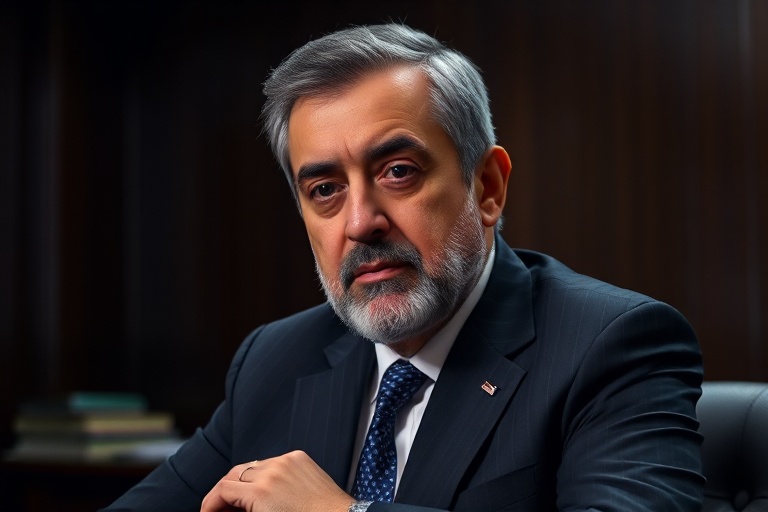
Abbas Araghchi stands as one of Iran’s most influential voices in foreign affairs, shaping the country’s diplomatic posture amid decades of geopolitical tension. As a senior advisor to Iran’s Supreme Leader and a former deputy foreign minister, Araghchi has played a pivotal role in navigating Iran’s relationships with global powers, regional neighbors, and international institutions. His career reflects the intersection of ideology and pragmatism that defines Iran’s approach to global engagement.
Born in 1958 in the city of Qazvin, Araghchi’s early life unfolded during a period of profound political transformation in Iran. The 1979 Islamic Revolution reshaped the country’s trajectory, and Araghchi’s subsequent academic and professional path became intertwined with the new political order. He earned a doctorate in international relations from Tarbiat Modares University, where he specialized in Middle Eastern studies and nuclear diplomacy—a field that would later define his public career.
The Rise of a Diplomatic Figure
Araghchi’s ascent in Iran’s diplomatic corps began in the late 1980s, a period marked by the Iran-Iraq War’s aftermath and the country’s urgent need to rebuild its international standing. His early roles included positions within the Ministry of Foreign Affairs, where he contributed to Iran’s efforts to reintegrate into the global community following the war. By the 2000s, he had become a key negotiator in Iran’s nuclear dossier, a file that would dominate international headlines for years.
Araghchi’s influence grew significantly during the presidency of Mahmoud Ahmadinejad, when Iran’s nuclear program became a focal point of global diplomacy. As Iran’s deputy foreign minister for legal and international affairs, he was a central figure in negotiations with the P5+1 (the five permanent members of the UN Security Council plus Germany). These talks, though often contentious, laid the groundwork for the 2015 Joint Comprehensive Plan of Action (JCPOA), a landmark agreement that temporarily eased sanctions on Iran in exchange for limits on its nuclear activities. Araghchi’s role in these negotiations earned him recognition as a skilled negotiator, capable of balancing Iran’s strategic interests with the demands of international partners.
Global Perspectives on Iran’s Diplomacy
Araghchi’s career offers a lens into Iran’s broader diplomatic strategy, which has historically oscillated between confrontation and engagement. His work reflects a nuanced understanding of Iran’s place in the world—a country often at odds with Western powers but deeply embedded in regional alliances. Under the administration of President Hassan Rouhani, Araghchi was instrumental in negotiating the JCPOA, a deal that temporarily reduced tensions with the West. However, the Trump administration’s withdrawal from the agreement in 2018 underscored the fragility of such diplomatic efforts.
Araghchi’s diplomatic style is often characterized by a mix of ideological conviction and tactical flexibility. While Iran’s foreign policy is frequently framed in terms of resistance against perceived foreign interference, Araghchi has also demonstrated a willingness to engage in pragmatic dialogue. This dual approach has made him a figure of both admiration and criticism, both within Iran and internationally.
His engagements with European diplomats, for instance, highlight Iran’s efforts to diversify its diplomatic partnerships beyond its traditional allies in Russia and China. Araghchi has been a vocal advocate for strengthening ties with the European Union, particularly in the aftermath of the JCPOA’s collapse. His visits to European capitals have been framed as part of Iran’s broader strategy to mitigate the impact of U.S. sanctions and maintain economic stability.
Cultural and Political Context
Araghchi’s career cannot be separated from the cultural and political landscape of Iran. The Islamic Republic’s foreign policy is deeply influenced by its revolutionary ideology, which emphasizes self-reliance, resistance to foreign domination, and the pursuit of justice in international affairs. Araghchi’s diplomatic maneuvers often reflect these principles, whether in his advocacy for Palestinian rights or his criticism of Western interventions in the Middle East.
Yet, Araghchi’s pragmatism also reflects the broader tensions within Iran’s political establishment. The country’s leadership is divided between hardliners who prioritize ideological purity and reformists who seek greater engagement with the West. Araghchi’s ability to navigate these divisions has made him a key player in Iran’s foreign policy apparatus, particularly during periods of transition.
Araghchi’s public statements often emphasize Iran’s commitment to multilateralism and international law, even as Iran faces criticism for its human rights record and regional activities. His appearances at the United Nations and other international forums provide a platform for Iran to articulate its positions on issues such as nuclear disarmament, regional security, and economic development. These efforts are not merely symbolic; they reflect Iran’s ongoing struggle to assert itself as a global actor despite decades of isolation and sanctions.
The Future of Iran’s Diplomacy
As Iran navigates a rapidly changing geopolitical landscape, figures like Abbas Araghchi remain central to its diplomatic strategy. The country’s relations with the West are fraught with uncertainty, particularly in the wake of the JCPOA’s collapse and the ongoing tensions with the United States. Meanwhile, Iran’s partnerships with Russia, China, and regional allies such as Syria and Lebanon continue to shape its foreign policy.
Araghchi’s role in these dynamics is likely to evolve as Iran seeks to adapt to new challenges, including the rise of new global powers, the impact of climate change on regional stability, and the ongoing humanitarian crises in countries like Syria and Yemen. His ability to balance Iran’s strategic interests with the demands of a rapidly changing world will be critical in determining the country’s future trajectory.
For observers of Middle Eastern politics, Araghchi’s career offers valuable insights into the complexities of Iran’s foreign policy. His work underscores the challenges of navigating a global order marked by shifting alliances, economic pressures, and ideological divides. Whether through negotiations, public diplomacy, or strategic partnerships, Araghchi’s contributions reflect Iran’s enduring quest for a place on the world stage.
As Iran continues to assert its influence in the Middle East and beyond, figures like Araghchi will remain central to the country’s diplomatic efforts. Their ability to adapt to changing circumstances while staying true to Iran’s revolutionary ideals will shape the country’s future relations with the world.
Explore more on global politics and diplomacy.
For a deeper look at Iran’s regional role, visit our Analysis section.