The Hidden World Beneath Our Feet: The Enduring Significance of Tunnels
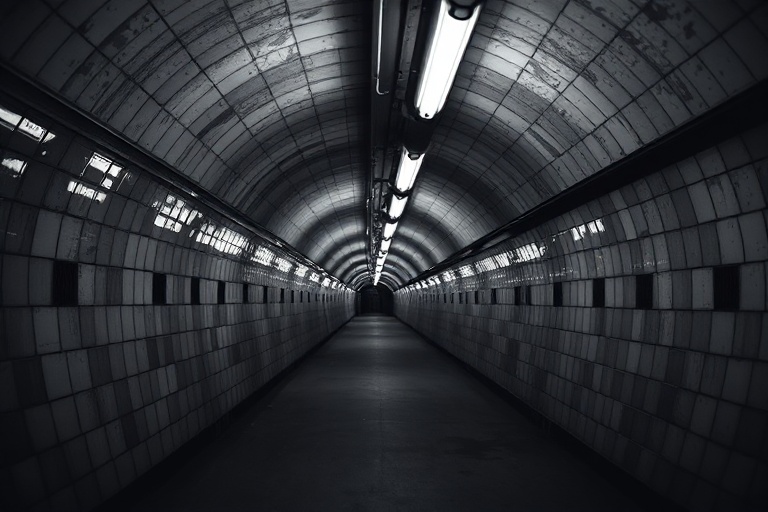
Tunnels have long served as more than just passages beneath the earth. They are marvels of engineering that connect distant places, protect travelers from harsh conditions, and even symbolize human ingenuity. From ancient aqueducts to modern metro systems, tunnels have shaped civilizations, economies, and cultures worldwide.
The earliest tunnels date back thousands of years. The Greeks and Romans constructed underground aqueducts to transport water, some of which still function today. In Persia, the qanat system—an ancient network of tunnels—delivered water to arid regions as early as 1000 BCE. These early examples highlight humanity’s early relationship with tunneling, driven by necessity and ambition.
The Evolution of Tunneling: From Hand Tools to High-Tech
Tunneling techniques have advanced dramatically over centuries. Before the Industrial Revolution, workers relied on picks, shovels, and gunpowder to carve through rock. The 19th century brought steam-powered drills and dynamite, revolutionizing construction speeds. By the 20th century, tunnel boring machines (TBMs)—massive, cylindrical drills—could excavate hundreds of feet per day.
Switzerland’s Gotthard Base Tunnel, completed in 2016, exemplifies modern tunneling. Stretching 35 miles, it is the world’s longest rail tunnel, reducing travel time between Zurich and Milan by an hour. Similarly, Norway’s Lærdal Tunnel, at 15.2 miles, holds the record for the longest road tunnel. These projects demonstrate how geography and technology now intersect to reshape transportation.
In urban areas, tunnels alleviate congestion. Cities like Tokyo and New York rely on extensive subway systems, with new lines constantly under construction. The Crossrail project in London, for instance, added 10 new stations and 26 miles of tunnels, boosting the city’s transit capacity by 10%. Such infrastructure investments not only improve daily commutes but also reduce pollution by encouraging public transit use.
Cultural Symbolism: Tunnels as Metaphors and Monuments
Beyond their practical uses, tunnels carry deep cultural meanings. In literature and film, they often symbolize journeys—both physical and psychological. J.R.R. Tolkien’s Moria in The Lord of the Rings represents a descent into darkness and danger. Similarly, the 1945 film noir The Lost Weekend uses a tunnel as a metaphor for addiction and despair.
In religious and spiritual contexts, tunnels signify transformation. The Dante’s Inferno depiction of descending into Hell mirrors the tunnel’s archetypal role as a passage between worlds. Indigenous cultures, such as the Hopi in North America, have used underground chambers (kivas) for ceremonial purposes, linking the earthly realm to the spiritual.
Even in modern pop culture, tunnels appear as gateways to adventure. The Teenage Mutant Ninja Turtles hideout beneath New York’s sewers plays on the idea of a hidden urban underworld. Meanwhile, the Portal video game series turns tunnels into interactive puzzles, challenging players to navigate spatial illusions.
Challenges and Controversies in Modern Tunneling
Despite their benefits, tunnels are not without controversy. Environmental concerns often arise, particularly when tunneling disrupts ecosystems. The construction of the Gotthard Base Tunnel, for example, faced criticism for its impact on Alpine wildlife habitats. Noise pollution and vibrations from construction can also disturb nearby communities, leading to protests and legal battles.
Safety remains another critical issue. The 1994 collapse of the Heathrow Express tunnel in London, caused by a grouting error, killed one worker and injured several others. Such incidents underscore the risks of tunneling, where geological surprises and human error can have deadly consequences. Advances in ground-penetrating radar and real-time monitoring systems now help mitigate these dangers, but challenges persist.
Political disputes also surround tunnel projects. The proposed tunnel beneath the Strait of Gibraltar, intended to link Europe and Africa, has stalled due to funding disagreements and geopolitical tensions. Similarly, the Brenner Base Tunnel between Austria and Italy faces opposition from environmental groups concerned about increased freight traffic in the Alps.
Tunnels in the 21st Century: What’s Next?
The future of tunneling is likely to be shaped by sustainability and innovation. The Hyperloop, a proposed high-speed transit system using vacuum-sealed tunnels, could redefine long-distance travel. Companies like The Boring Company, founded by Elon Musk, envision networks of underground tunnels for autonomous electric vehicles, aiming to reduce surface traffic.
Sustainability is also driving change. The use of recycled materials in tunnel linings and energy-efficient lighting systems is becoming more common. In Norway, the Ryfast tunnel system incorporates hydroelectric power to reduce its carbon footprint. These efforts reflect a broader trend toward greener infrastructure.
As urbanization accelerates, tunnels will remain essential. By 2050, nearly 70% of the world’s population is expected to live in cities, increasing the demand for efficient transit. Projects like the Grand Paris Express, a 124-mile metro expansion, aim to accommodate this growth while reducing reliance on cars.
For those fascinated by these subterranean wonders, technology and engineering continue to push boundaries. Whether for transportation, water management, or even data infrastructure (like undersea cables), tunnels are a testament to human creativity and perseverance.
Conclusion
Tunnels are more than just hollow spaces beneath the surface—they are lifelines connecting communities, symbols of progress, and challenges to overcome. As technology and sustainability converge, the next generation of tunnels may redefine how we move, live, and interact with the world. From ancient qanats to futuristic Hyperloop systems, the legacy of tunneling is far from buried.