The Chestnut Man is more than a character in a crime novel—he’s a phenomenon that refuses to be found. Since his debut in Søren Sveistrup’s 2017 thriller The Chestnut Man, this enigmatic figure has become a symbol of relentless pursuit and elusive danger. The story follows detectives Naia Thulin and Mark Hess as they chase a killer whose signature is a single chestnut left at each crime scene. While the book and its Netflix adaptation have captivated audiences, it’s the hide-and-seek nature of the Chestnut Man himself that lingers in the public imagination.
What makes this antagonist so compelling isn’t just his brutality, but his ability to remain just out of reach. Every clue leads to another question, every lead dissolves into silence. The Chestnut Man isn’t just a killer—he’s a puzzle wrapped in shadow, and solving him requires more than detective work. It demands an understanding of the psychology behind his evasion.
The Psychology Behind the Chase: Why We Can’t Look Away
The Chestnut Man’s appeal lies in his duality. He’s both predator and phantom, a figure who exists in the gaps between what we know and what we fear. This psychological tension is central to the Nordic noir genre, where atmosphere and dread often overshadow action. The Chestnut Man embodies this perfectly—he’s not just a man with a plan, but a man who is the plan.
Sveistrup’s writing ensures the reader is always one step behind. The killer’s motives are obscured by layers of misdirection, forcing audiences to question every character’s loyalty. This isn’t just a whodunit; it’s a who-won’t-they-see. The psychological warfare extends beyond the page, making the Chestnut Man a figure who haunts more than just the story—he haunts the mind of anyone who dares to follow his trail.
Studies in narrative psychology suggest that stories featuring elusive antagonists tap into primal fears of the unknown. The Chestnut Man thrives in this space, becoming a modern bogeyman for a digital age where information is abundant, yet truth remains frustratingly out of reach. His elusiveness isn’t just a plot device; it’s a mirror held up to our own frustrations in an over-saturated media landscape.
The Evolution of the Chestnut Man: From Page to Screen
When Netflix adapted The Chestnut Man into a six-episode series in 2021, the challenge was clear: translate the novel’s tension into a visual medium without losing the killer’s mystique. The show succeeded by leaning into the uncanny. The Chestnut Man isn’t just seen—he’s felt. His presence is implied through sound, lighting, and the reactions of those who encounter him.
The series expanded the lore, introducing new layers to the character’s backstory and motivations. While the book left some questions unanswered, the show doubled down on ambiguity, ensuring the Chestnut Man remained a figure of speculation. This adaptability is key to his longevity. Whether in print or on screen, the character refuses to be pinned down, evolving with each retelling.
The Netflix adaptation also highlighted the importance of setting. Copenhagen’s rainy streets, neon-lit alleys, and quiet forests become characters in their own right, amplifying the sense of isolation that defines the chase. The Chestnut Man isn’t just hiding in the shadows—he’s hiding in plain sight, a ghost woven into the fabric of the city itself.
Key Differences Between Book and Show
- The novel focuses more on the detectives’ internal struggles, while the show amplifies the killer’s presence through visual storytelling.
- The book’s ending is more ambiguous, whereas the series provides a definitive (though still cryptic) resolution.
- The show introduces new characters and subplots, expanding the world but also diluting some of the novel’s tighter focus.
Why the Chestnut Man Resonates in a Post-Truth World
In an era where misinformation spreads faster than facts, the Chestnut Man serves as a dark allegory. He’s a figure who thrives in the absence of clarity, a killer who leaves just enough evidence to keep us searching—but never enough to truly understand. This mirrors modern anxieties about surveillance, privacy, and the manipulation of truth.
Social media has turned the act of seeking into a performance. We scroll through feeds hunting for clues, likes, and validation, often mistaking noise for meaning. The Chestnut Man preys on this same hunger for answers, offering just enough to keep us hooked, but never enough to satisfy. In doing so, he becomes a metaphor for the digital age itself—a world where the truth is always one more click away, yet forever just out of reach.
This theme has struck a chord with audiences worldwide. The Chestnut Man isn’t just a fictional killer; he’s a manifestation of our collective frustration with a world that feels increasingly designed to keep us searching.
The Legacy of the Chestnut Man: More Than Just a Killer
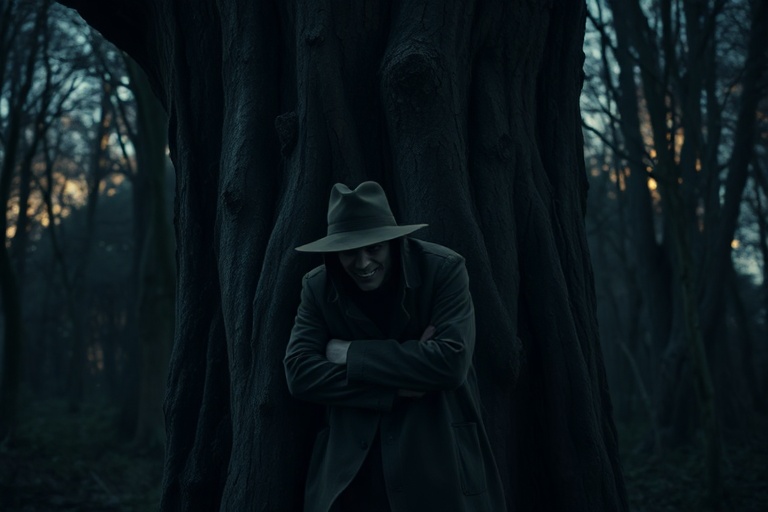
The Chestnut Man’s impact extends beyond his crimes. He’s become a cultural touchstone, inspiring fan theories, podcasts, and even academic discussions about the nature of evil in storytelling. His design—tall, gaunt, with a face obscured by shadow—has become iconic, a visual shorthand for the unknown.
What’s most fascinating is how the character has transcended his origins. He’s no longer just a villain in a Nordic noir; he’s a symbol of the hunt itself. In a world where content is infinite but attention is finite, the Chestnut Man represents the ultimate challenge: the pursuit of something that may not want to be found.
For creators, he’s a lesson in restraint. The best antagonists aren’t those who dominate the story, but those who dominate the imagination. The Chestnut Man does precisely that—he lingers in the mind long after the final page is turned or the last episode ends.
As the conversation around entertainment and culture continues to evolve, the Chestnut Man remains a benchmark for how to craft a villain who is as elusive as he is unforgettable. His story isn’t just about solving a crime—it’s about confronting the limits of our own curiosity.
Lessons for Storytellers
- Ambiguity builds intrigue: The less the audience knows, the more they’ll seek to understand.
- Setting matters: A character’s environment should reflect their essence—dark, cold, and unyielding.
- Psychology > action: The best chases are those that happen in the mind, not just on the page.
- Leave room for interpretation: The most memorable villains are those who can be re-examined and redefined.
Conclusion: The Chase Continues
The Chestnut Man may never be fully caught. And perhaps that’s the point. In a world where answers are commodified and truth is often a negotiation, his elusiveness is his power. He’s a reminder that some mysteries are meant to be savored, not solved.
Whether you encountered him in the pages of a book or on a screen, the Chestnut Man leaves a mark. He’s the shadow in the corner of your eye, the voice that whispers just out of hearing. And as long as there are stories to be told, he’ll remain one step ahead—always hiding, always waiting to be found.