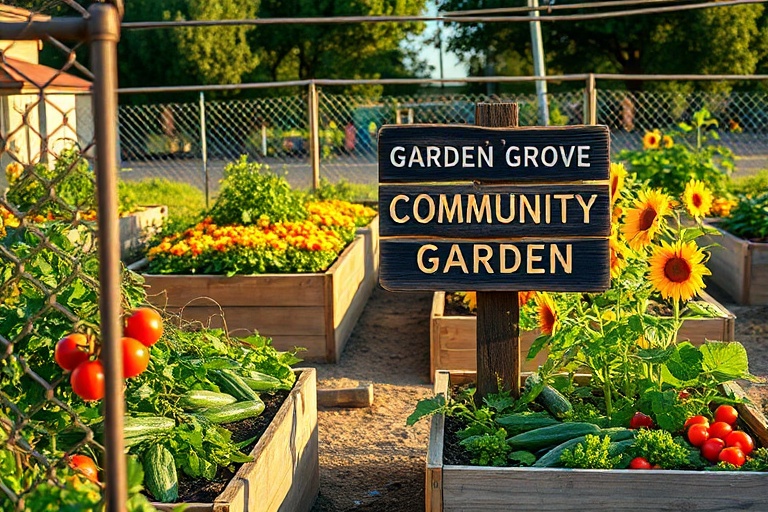
Tucked between the bustling cities of Anaheim and Santa Ana in Orange County, Garden Grove often escapes the spotlight despite its vibrant communities and rich cultural tapestry. With a population exceeding 170,000 and a history dating back to the late 19th century, this city offers more than just suburban comfort—it’s a dynamic hub of diversity, economic activity, and community spirit. From its agricultural roots to its modern-day identity as a melting pot of cultures, Garden Grove continues to evolve while preserving its unique character.
A Brief History: From Citrus Groves to Urban Vitality
Garden Grove was officially incorporated in 1956, but its story begins decades earlier. In the 1870s, the area was primarily agricultural, with vast citrus groves dotting the landscape. The arrival of the railroad in the 1890s accelerated growth, transforming Garden Grove into a key agricultural center in Southern California. By the mid-20th century, the city began transitioning into a suburban community, attracting families with its affordable housing and proximity to Los Angeles.
Today, remnants of its agricultural past are still visible in places like Garden Grove’s Heritage Park, which preserves historic buildings and hosts cultural events. The city’s evolution reflects broader trends in Orange County—its shift from farmland to urban development mirrors the region’s transformation into a global economic powerhouse.
The Cultural Mosaic: A City of Festivals and Traditions
Garden Grove is perhaps best known for its cultural diversity, which is celebrated through a variety of festivals and events. The city’s most famous attraction is the annual Garden Grove Strawberry Festival, which has been a local tradition since 1930. Drawing over 250,000 visitors each May, the festival features a parade, live music, strawberry-themed treats, and a carnival—all centered around the city’s agricultural heritage.
Beyond the Strawberry Festival, Garden Grove embraces its multicultural identity through events like the Vietnamese Tet Festival and the Fiesta de las Luminarias, which celebrates Mexican heritage with music, dance, and food. These gatherings highlight the city’s large Vietnamese and Latino communities, which together make up over 60% of the population.
The influence of these cultures is also evident in the city’s culinary scene. From authentic pho shops along Bolsa Avenue to family-owned Mexican restaurants serving up homemade tamales, Garden Grove’s food landscape is a testament to its diversity. For those looking to explore, local food tours often highlight these hidden gems.
Top Cultural Attractions in Garden Grove
- Garden Grove Strawberry Festival: A historic celebration with parades, live entertainment, and strawberry-themed treats.
- Little Saigon District: A bustling commercial area that serves as the cultural heart of Orange County’s Vietnamese community.
- Christ Cathedral: A striking architectural landmark designed by Philip Johnson, offering guided tours and cultural events.
- Huntington Beach Art Center: A nearby cultural hub that often collaborates with Garden Grove on artistic initiatives.
Economic Landscape: Balancing Growth and Community
Garden Grove’s economy is a blend of small businesses, retail hubs, and light industrial zones. The city’s location along major thoroughfares like the 22 and 405 freeways makes it an attractive destination for commerce. The Garden Grove Business District, centered around Harbor Boulevard, is a key commercial corridor, housing everything from international corporations to locally owned shops.
One of the city’s economic strengths is its retail sector. The Garden Grove Galleria, a shopping center anchored by major department stores, draws visitors from across Orange County. Meanwhile, the nearby Westminster Mall (just a short drive away) adds to the region’s retail appeal. These centers not only serve Garden Grove residents but also contribute to the broader economic ecosystem of the county.
Despite its commercial success, Garden Grove faces challenges common to many suburban cities: balancing growth with community needs. The city has invested in infrastructure projects, such as improving public transit and expanding bike lanes, to accommodate its growing population. Additionally, initiatives to support local entrepreneurs aim to foster a thriving small-business culture.
Key Economic Sectors in Garden Grove
- Retail and Commerce: Major shopping centers and commercial corridors drive economic activity.
- Healthcare: Facilities like Garden Grove Hospital Medical Center provide jobs and serve the community.
- Manufacturing and Logistics: Light industrial zones support local and regional supply chains.
- Tourism: Events like the Strawberry Festival and cultural attractions bring in visitors year-round.
Parks, Recreation, and Quality of Life
For a city of its size, Garden Grove offers an impressive array of parks and recreational facilities. Residents and visitors alike can enjoy the sprawling green spaces of Garden Grove Park, which features picnic areas, sports fields, and a community center. The park is also home to the Garden Grove Historical Museum, where visitors can learn about the city’s past through exhibits and artifacts.
Outdoor enthusiasts will find plenty to do in Garden Grove. The city’s network of bike trails, including the Santa Ana River Trail, provides scenic routes for cycling and walking. For families, Skate City Garden Grove offers roller-skating and arcade fun, while Garden Grove Sports Complex hosts youth and adult leagues for soccer, baseball, and other sports.
Garden Grove’s commitment to green spaces extends to its urban planning. The city has prioritized the development of pocket parks and tree-lined streets, creating a welcoming environment for residents. These efforts not only enhance quality of life but also contribute to the city’s appeal as a place to live and visit.
Top Parks and Recreation Spots in Garden Grove
- Garden Grove Park: A 100-acre green space with picnic areas, sports fields, and the historical museum.
- Westcott Park: A smaller neighborhood park with playgrounds and walking paths.
- Garden Grove Sports Complex: A hub for youth and adult sports, featuring soccer fields and baseball diamonds.
- Santa Ana River Trail: A scenic route for biking, jogging, and nature walks, connecting to regional trails.
Looking Ahead: Garden Grove’s Future
As Garden Grove continues to grow, the city faces both opportunities and challenges. One of the most pressing issues is housing affordability. With Orange County’s real estate market remaining competitive, Garden Grove is exploring policies to encourage the development of affordable housing while preserving the character of its neighborhoods.
Another priority is enhancing public transportation. The city is working to improve bus routes and accessibility, particularly for residents who commute to nearby employment hubs like Irvine and Anaheim. These efforts aim to reduce traffic congestion and improve mobility for all residents.
Despite these challenges, Garden Grove’s future looks bright. Its strong sense of community, diverse cultural offerings, and strategic location position it well for continued growth. Whether you’re a longtime resident or a first-time visitor, Garden Grove invites you to explore its hidden treasures and experience the warmth of its neighborhoods.
As the city evolves, it remains rooted in its history while embracing innovation. From its agricultural beginnings to its modern-day identity, Garden Grove is a testament to the resilience and diversity of Orange County. For those willing to look beyond the headlines, it offers a glimpse into the heart of Southern California’s vibrant communities.