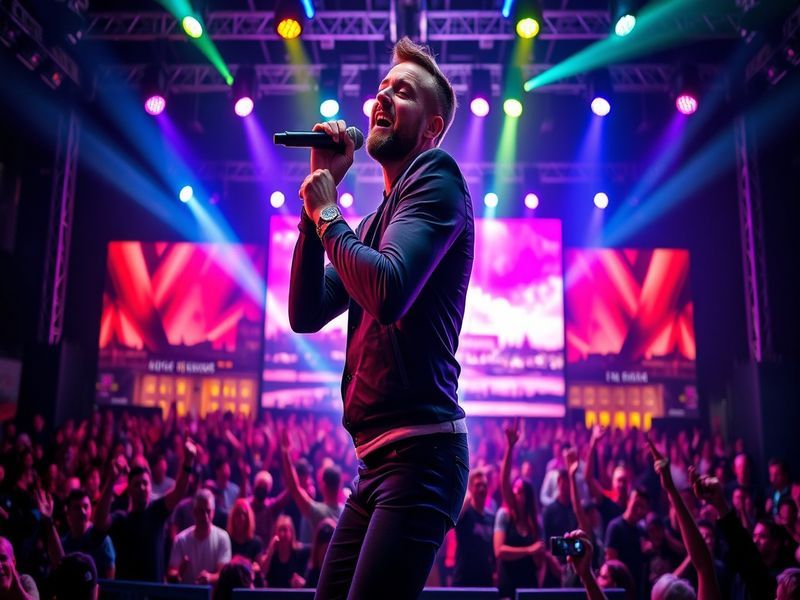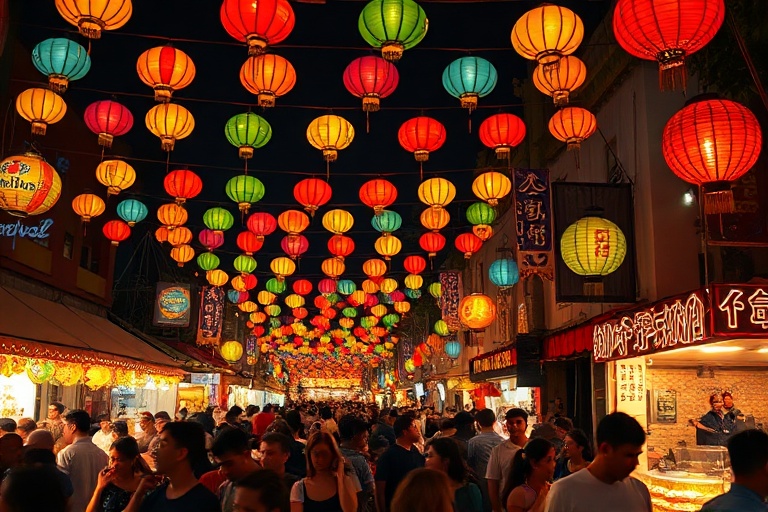
Festivals have long served as communal gathering spaces where traditions, creativity, and shared experiences converge. From ancient harvest celebrations to today’s multi-day music extravaganzas, these events reflect the values and aspirations of the societies that host them. What was once a local or regional affair has expanded into a global phenomenon, with festivals now spanning music, film, food, and even niche interests like technology and wellness.
The transformation of festivals over time offers a fascinating lens through which to examine cultural shifts. They are no longer just about entertainment; they have become platforms for social commentary, economic drivers, and even environmental activism. The modern festival experience is carefully curated, blending artistry with logistical precision to create moments that linger in memory long after the final performance.
The Economic and Social Impact of Festivals
Beyond their cultural significance, festivals wield considerable economic influence. Cities and towns that host major events often see a surge in tourism, benefiting local businesses ranging from hotels and restaurants to transportation services. For example, the Coachella Valley Music and Arts Festival injects hundreds of millions of dollars into the Southern California economy each year, supporting jobs and stimulating growth in the region.
Yet the impact extends beyond mere financial gains. Festivals foster community engagement by bringing together people of diverse backgrounds. They create opportunities for artists, vendors, and volunteers to showcase their work while also providing attendees with a sense of belonging. This dual role—as both economic engines and social unifiers—reinforces their importance in contemporary society.
However, the relationship between festivals and their host communities is not without challenges. Rising ticket prices and gentrification pressures can alienate local residents, while environmental concerns about waste and carbon footprints prompt organizers to rethink sustainability practices. Balancing growth with inclusivity remains a critical task for festival planners worldwide.
Sustainability: A Growing Priority
In response to environmental concerns, many festivals are adopting eco-friendly practices. Initiatives such as zero-waste policies, carbon offset programs, and reusable infrastructure are becoming standard. The Burning Man festival in Nevada, for instance, enforces a strict “leave no trace” principle, requiring participants to remove all waste and even dismantle their campsites.
These efforts are not just about compliance; they reflect a broader cultural shift toward responsible consumption. Festivals that prioritize sustainability often attract environmentally conscious audiences, creating a competitive edge in an increasingly crowded market. As climate change continues to dominate global discourse, the festival industry’s commitment to sustainability will likely become a defining factor in its future.
The Evolution of Festival Experiences
The digital age has revolutionized how people discover and engage with festivals. Social media platforms allow organizers to reach global audiences, while livestreams and virtual reality experiences extend the festival experience beyond physical boundaries. Attendees now share their experiences in real-time, creating a digital footprint that amplifies the event’s reach.
This evolution has also democratized festival culture. Independent artists and smaller festivals can gain visibility through online platforms, bypassing traditional gatekeepers. The rise of boutique festivals—intimate gatherings focused on specific genres or themes—highlights this trend, offering unique alternatives to massive, mainstream events.
The Role of Technology in Enhancing Festivals
Technology has become integral to the festival experience, enhancing everything from ticketing to crowd management. Mobile apps provide schedules, maps, and real-time updates, while cashless payment systems streamline transactions. Some festivals even experiment with augmented reality (AR) to create immersive installations or interactive art pieces.
However, the integration of technology is not without drawbacks. Over-reliance on digital tools can create barriers for attendees who prefer analog experiences. Additionally, data privacy concerns arise as festivals collect personal information for marketing or logistical purposes. Striking the right balance between innovation and accessibility remains a challenge for organizers.
Festivals as Platforms for Social Change
In recent years, festivals have increasingly become venues for activism and social justice. Events like Lollapalooza and SXSW have incorporated panels, workshops, and performances that address issues such as racial equality, LGBTQ+ rights, and mental health. These platforms amplify marginalized voices and foster dialogue on critical topics.
The intersection of music and activism is not new, but its presence in festival culture has grown more pronounced. Artists and audiences alike are using these gatherings to advocate for change, turning festivals into catalysts for social progress. This shift reflects a broader cultural demand for festivals to be more than just entertainment—they must also serve as spaces for reflection and action.
Case Study: The Impact of a Single Festival
Consider the Tomorrowland festival in Belgium, one of the world’s largest electronic music events. Beyond its musical lineup, Tomorrowland has launched initiatives like the “Global Journey” program, which helps artists and attendees from developing countries attend the festival through sponsorships and scholarships. This commitment to accessibility has earned Tomorrowland widespread acclaim and solidified its reputation as more than just a music event.
The festival’s “Love Tomorrow” foundation further exemplifies its dedication to social responsibility. The foundation focuses on sustainability, education, and community development, demonstrating how a large-scale event can drive meaningful change. Examples like Tomorrowland underscore the potential for festivals to transcend their traditional roles and become forces for good.
The Future of Festivals
As festivals continue to evolve, several trends are likely to shape their future. Hybrid events—combining in-person and virtual experiences—will become more common, offering flexibility for attendees and organizers alike. The rise of artificial intelligence (AI) could personalize festival experiences, tailoring schedules and recommendations to individual preferences.
Yet, amidst these innovations, the core essence of festivals—community and shared joy—must remain intact. The challenge for organizers will be to harness technology and creativity without losing sight of the human connections that define these gatherings. Festivals of the future must balance spectacle with authenticity, ensuring they continue to resonate with audiences on a personal level.
One thing is certain: festivals will endure. They adapt to the times, reflecting the hopes, fears, and aspirations of each generation. Whether through music, art, or activism, they provide a space for people to come together, celebrate, and imagine a better world. In an era of increasing division, the role of festivals as unifiers has never been more vital.
Key Takeaways for Festival-Goers and Organizers
- For Attendees: Support festivals that prioritize sustainability, inclusivity, and social responsibility. Your choices as a consumer can drive meaningful change in the industry.
- For Organizers: Embrace innovation while staying true to the festival’s core values. Technology and tradition can coexist, but they must serve the attendees first.
- For Communities: Engage with local festivals to ensure they benefit everyone, not just tourists or large corporations. Advocate for policies that protect residents and promote cultural preservation.
Festivals are more than just events; they are mirrors of society, reflecting our collective dreams and challenges. As they continue to evolve, their ability to inspire, unite, and provoke thought will ensure their place in our cultural landscape for generations to come.