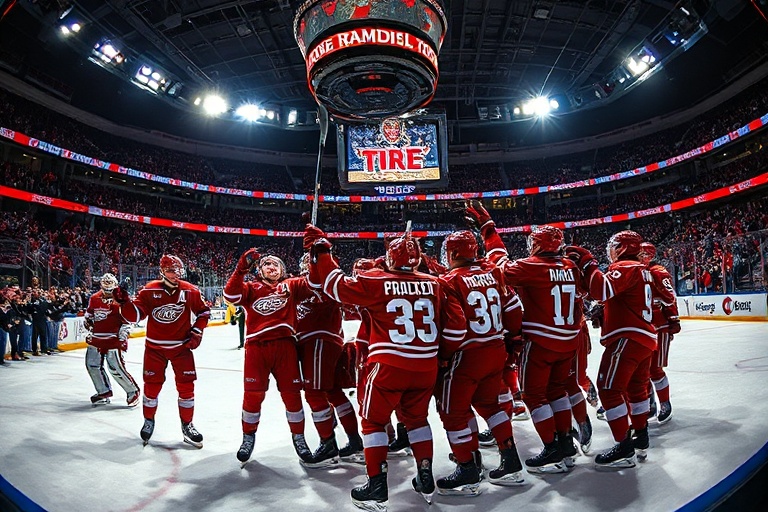
The Grand Rapids Griffins have long stood as a pillar of minor-league hockey, proving that success isn’t reserved for the NHL. Founded in 1996, the team has cultivated a loyal fanbase while delivering consistent on-ice performance. Their story is one of community, resilience, and the enduring appeal of accessible, high-quality hockey.
Based in Grand Rapids, Michigan, the Griffins play at the Van Andel Arena, a venue that has hosted everything from concerts to college basketball. Yet, for many, the arena’s most electric nights belong to hockey. The Griffins’ affiliation with the Detroit Red Wings has further solidified their reputation, serving as a proving ground for future NHL talent.
The Griffins’ Rise to Prominence
In their early years, the Griffins struggled to find their footing. The team’s inaugural 1996-97 season ended with a dismal 18-54-6 record, a far cry from the contender they would later become. But by the early 2000s, a shift was underway. The Griffins began assembling competitive rosters, culminating in their first Calder Cup championship in 2013. That victory wasn’t just a milestone—it was a statement. The Griffins had arrived.
Key to their resurgence was the Detroit Red Wings’ decision to make Grand Rapids their primary AHL affiliate in 2002. This partnership provided the Griffins with top-tier prospects and coaching, elevating the team’s caliber overnight. Players like Justin Abdelkader and Gustav Nyquist passed through Grand Rapids before becoming NHL staples. The Griffins weren’t just developing talent; they were shaping the future of hockey in the region.
Their 2013 Calder Cup run remains the franchise’s defining moment. Coached by Jeff Blashill, the team overcame adversity in the playoffs, defeating the Syracuse Crunch in a grueling seven-game final. The championship parade through downtown Grand Rapids drew thousands, underscoring the team’s deep connection to the city.
Beyond the Ice: Community and Culture
The Griffins’ influence extends far beyond wins and losses. The team has embedded itself in Grand Rapids’ cultural fabric, hosting charity events, youth hockey clinics, and community outreach programs. Their mascot, Griffy, is a fixture at local schools and festivals, embodying the team’s playful yet competitive spirit.
One of the Griffins’ most innovative initiatives is their “Hockey Fights Cancer” campaign, which raises awareness and funds for cancer research. The team’s partnership with local hospitals and cancer survivors has made a tangible impact, turning game nights into opportunities for meaningful change. This commitment to social responsibility has strengthened the Griffins’ bond with their fanbase.
The team’s gameday experience is another draw. From the “Griffin Growl” anthem to the post-game fireworks, the Griffins prioritize entertainment without losing sight of the game itself. Their family-friendly atmosphere makes hockey accessible to new fans, ensuring the sport’s growth in West Michigan.
Economic and Regional Impact
The Griffins are more than a sports team—they’re an economic driver. The Van Andel Arena, where they play, hosts over 100 events annually, generating millions in revenue for local businesses. Hotels, restaurants, and retail shops near the arena see a noticeable uptick on game nights, benefiting the broader Grand Rapids economy.
According to a 2022 study by the Grand Rapids Area Sports Commission, the Griffins contribute approximately $20 million annually to the local economy. This figure includes ticket sales, merchandise, concessions, and indirect spending by out-of-town visitors. The team’s success has also spurred interest in downtown development, with new residential and commercial projects cropping up near the arena.
The Griffins’ presence has even influenced youth hockey participation in Michigan. The Detroit Red Wings’ affiliation has made Grand Rapids a pipeline for young players dreaming of professional careers. Local rinks like The Griffin Ice House report increased enrollment in youth leagues, a testament to the team’s inspirational power.
What’s Next for the Griffins?
As the Griffins look to the future, several factors will shape their trajectory. The NHL’s evolving farm system structure could lead to more frequent roster turnover, testing the team’s ability to adapt. Meanwhile, the AHL’s recent expansion into new markets presents both opportunities and challenges. The Griffins must continue innovating to maintain their relevance.
One area of growth is digital engagement. The team has ramped up its social media presence, offering behind-the-scenes content, player interviews, and interactive fan experiences. This shift aligns with broader trends in sports marketing, where direct fan connections are paramount. The Griffins’ TikTok and Instagram accounts, in particular, have become vital tools for reaching younger audiences.
Another priority is sustainability. The Griffins have taken steps to reduce their environmental footprint, from energy-efficient arena upgrades to waste-reduction initiatives. These efforts reflect a growing expectation among fans for teams to lead on social and environmental issues.
For now, the Griffins remain a model of minor-league excellence. Their blend of on-ice success, community engagement, and economic impact sets a standard for other AHL franchises. Whether they’re developing future NHL stars or hosting a charity event, the Griffins continue to prove that hockey thrives beyond the bright lights of the NHL.
Key Takeaways About the Grand Rapids Griffins
- Affiliation with the Detroit Red Wings: Provides top-tier prospects and coaching, elevating the team’s competitiveness.
- Calder Cup Championship (2013): A defining moment that solidified the Griffins’ reputation as a premier AHL franchise.
- Community Engagement: Initiatives like “Hockey Fights Cancer” and youth clinics strengthen the team’s local ties.
- Economic Impact: Generates millions annually for Grand Rapids, supporting businesses and stimulating downtown growth.
- Future Challenges: Must navigate roster turnover, digital engagement, and sustainability to remain a leader in the AHL.
For fans looking to dive deeper into the world of minor-league hockey, Dave’s Locker Sports offers comprehensive coverage of AHL teams and prospects. Additionally, those interested in the business side of hockey can explore Dave’s Locker Analysis for insights into the economics of the sport.
The Grand Rapids Griffins’ story is far from over. As they continue to build on their legacy, one thing is certain: hockey in West Michigan is here to stay.