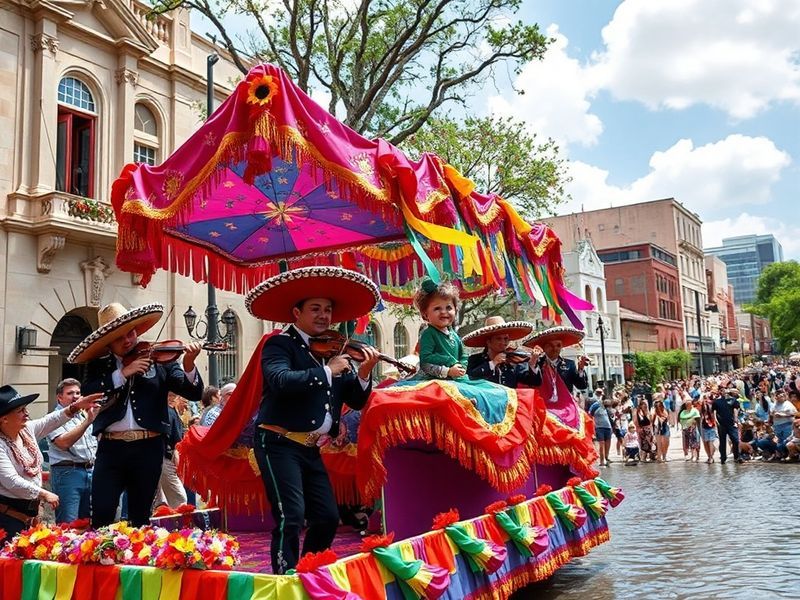
For over a century, Fiesta San Antonio has transformed the streets of the Alamo City into a vibrant canvas of color, music, and tradition. What began in 1891 as a modest parade to honor the heroes of the Alamo and the Battle of San Jacinto has grown into one of Texas’s most anticipated cultural festivals. With more than 100 events spanning 10 days, Fiesta attracts over one million participants annually, blending historical reverence with contemporary celebration.
The festival’s origins trace back to the efforts of local women who sought to preserve the city’s heritage while fostering community spirit. Today, Fiesta remains a testament to San Antonio’s ability to honor its past while embracing the future. From the iconic Battle of Flowers Parade to the eclectic Fiesta Flambeau Night Parade, the event offers something for everyone, whether you’re a lifelong resident or a first-time visitor.
Origins and Evolution of Fiesta San Antonio
Fiesta San Antonio was born from a desire to commemorate the heroes of the Texas Revolution, particularly those who perished at the Alamo in 1836. The first parade, known as the Battle of Flowers Parade, was organized by a group of women who decorated horse-drawn carriages with flowers to honor the fallen. This inaugural event drew a crowd of 3,000 spectators and set the stage for what would become an annual tradition.
Over the decades, Fiesta expanded beyond its historical roots. In the early 20th century, the festival introduced new parades, including the Fiesta Flambeau Night Parade, which debuted in 1947 and remains one of the most visually stunning events of the celebration. The addition of the Texas Cavaliers River Parade in 1959 further diversified the festival’s offerings, featuring floats adorned with thousands of lights gliding down the San Antonio River Walk.
The festival’s growth mirrored the city’s own evolution. As San Antonio transformed into a global hub for tourism and commerce, Fiesta adapted by incorporating modern elements while preserving its traditional charm. Today, the event is managed by a dedicated team of volunteers and supported by corporate sponsors, ensuring its continued relevance and accessibility to all.
Key Events and Traditions
Fiesta San Antonio is defined by its variety of events, each offering a unique experience. The Battle of Flowers Parade remains the festival’s centerpiece, featuring elaborate floats, marching bands, and military units. Held on the first Friday of Fiesta, the parade draws crowds of over 100,000, making it one of the largest parades in the United States.
The Fiesta Flambeau Night Parade is another highlight, known for its dazzling display of illuminated floats and marching units. The Texas Cavaliers River Parade, held on the Saturday of Fiesta, combines the beauty of the San Antonio River Walk with the spectacle of decorated floats, creating a magical atmosphere for onlookers.
Beyond the parades, Fiesta offers a range of cultural and culinary experiences. The Oyster Bake, hosted by St. Mary’s University, is a beloved tradition featuring live music, food vendors, and oysters fresh from the Gulf of Mexico. The Fiesta Pooch Parade, a newer addition, celebrates pets and their owners with a playful procession through downtown San Antonio.
- Battle of Flowers Parade: The oldest and largest parade of Fiesta, held on the first Friday.
- Fiesta Flambeau Night Parade: A nighttime parade featuring illuminated floats and performances.
- Texas Cavaliers River Parade: A float parade along the San Antonio River Walk.
- Oyster Bake: A multi-day festival featuring food, music, and local vendors.
- Fiesta Pooch Parade: A pet-friendly parade celebrating animals and their owners.
For those interested in exploring more of San Antonio’s cultural offerings, check out the Culture section on Dave’s Locker. The city’s rich history and vibrant arts scene make it a perfect companion to Fiesta’s celebrations.
The Economic and Cultural Impact of Fiesta
Fiesta San Antonio is more than just a celebration—it’s an economic powerhouse for the city. According to the Fiesta San Antonio Commission, the festival generates over $340 million in annual economic impact, supporting local businesses, hotels, and restaurants. The influx of visitors during Fiesta weekend provides a significant boost to the city’s tourism industry, particularly for small businesses and vendors.
Culturally, Fiesta plays a vital role in preserving San Antonio’s heritage while fostering inclusivity. The festival’s events are designed to appeal to diverse audiences, from traditionalists who appreciate its historical significance to younger generations eager to experience its modern twists. Organizations like the Fiesta Commission work tirelessly to ensure that the festival remains accessible and inclusive, offering free and low-cost events alongside premium experiences.
Fiesta also serves as a platform for local artists, musicians, and performers to showcase their talents. The festival’s art fairs, such as the Fiesta Arts Fair, feature works from hundreds of artists, ranging from painters and sculptors to jewelry makers and textile artists. These events not only highlight the city’s creative talent but also provide economic opportunities for local creators.
How to Experience Fiesta San Antonio
Attending Fiesta San Antonio is an experience unlike any other. Whether you’re a local or a visitor, planning ahead is key to making the most of the event. The festival’s official schedule is released in early spring, allowing attendees to map out their itinerary. Popular events, such as the Battle of Flowers Parade and the Texas Cavaliers River Parade, require early arrival to secure a good viewing spot.
For those looking to immerse themselves in the full Fiesta experience, consider purchasing a Fiesta Medal. These collectible medals are sold by various organizations and schools as fundraisers, and collecting them has become a beloved tradition among attendees. Wearing your medal during events is a fun way to show your Fiesta spirit and connect with fellow participants.
Food is another essential component of Fiesta. From Tex-Mex classics like tacos and enchiladas to international fare, the festival’s food vendors offer a diverse array of options. Don’t miss out on local specialties like kolaches, a Czech pastry popular in Texas, or prickly pear margaritas, a nod to San Antonio’s Southwestern roots.
For a deeper dive into San Antonio’s culinary scene, explore the Food section on Dave’s Locker. The city’s food culture is as rich and varied as its history, making it a perfect complement to Fiesta’s celebrations.
Tips for First-Time Attendees
- Plan Ahead: Review the festival’s schedule and prioritize the events you don’t want to miss.
- Arrive Early: Popular parades and events fill up quickly, so get to your desired viewing spot at least an hour in advance.
- Wear Comfortable Shoes: Fiesta involves a lot of walking, so comfortable footwear is a must.
- Bring Cash: While many vendors accept cards, some smaller stalls and food trucks may only take cash.
- Engage with Locals: Fiesta is a community event, so don’t hesitate to strike up conversations with residents who can offer insider tips.
Fiesta San Antonio is a celebration of history, culture, and community. Whether you’re drawn by the parades, the food, or the sheer joy of the event, one thing is certain: Fiesta is an experience that leaves a lasting impression. As the festival continues to evolve, it remains a testament to San Antonio’s ability to honor its past while embracing the future.
For more insights into Texas culture and events, visit Dave’s Locker and explore our Entertainment section. From festivals to local traditions, we’re here to guide you through the heart of the Lone Star State.