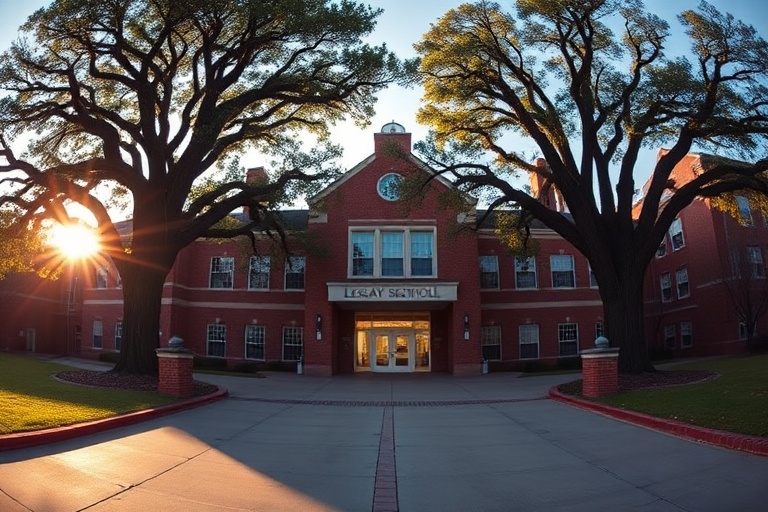
Legacy high schools represent more than just brick-and-mortar institutions of learning. Across continents, these schools shape identities, perpetuate traditions, and often serve as social gatekeepers. Their influence extends beyond academics into culture, politics, and even economic mobility. Whether rooted in colonial history, religious affiliation, or elite social circles, legacy high schools have long been central to how societies reproduce privilege and perpetuate values.
The concept of a legacy high school varies widely by region. In the United States, these institutions are frequently associated with exclusive preparatory academies, often private, that have educated generations of the nation’s elite. In the United Kingdom, grammar schools and historic public schools like Eton and Harrow fall into this category, having educated British royalty, politicians, and captains of industry for centuries. Meanwhile, in countries like India, elite public schools such as The Doon School or Mayo College serve similar roles, blending British colonial traditions with local cultural expectations.
What unites these institutions is not just their prestige, but their role in reinforcing social hierarchies. Legacy schools often serve as cultural custodians, preserving languages, rituals, and social norms that define local elites. They are places where tradition is not just taught but embodied—through uniforms, ceremonies, and alumni networks that persist for generations.
The Architecture of Power: How Legacy Schools Reinforce Social Structures
One of the most visible aspects of legacy high schools is their architecture. Many are housed in grand, historic buildings designed to inspire awe and convey permanence. Gothic spires, sweeping staircases, and oak-paneled libraries are not merely aesthetic choices; they are tools of socialization. These environments are engineered to instill a sense of belonging among those who attend, while subtly excluding those who do not.
In cities like London, Paris, or New York, these schools are often situated in affluent neighborhoods, reinforcing spatial segregation. The physical presence of such institutions becomes a daily reminder of who belongs in positions of power. This architectural legacy is not just symbolic—it shapes access to opportunities. Graduates of these schools often gain automatic entry into top universities and professional networks, creating a self-perpetuating cycle of influence.
Consider the case of elite boarding schools in Switzerland, such as Institut Le Rosey. Known as the “school of kings,” it has educated royalty, CEOs, and celebrities. The school’s lakeside campus and personalized education model are not just about academics; they are about cultivating a global elite mindset. Students learn not only calculus and literature but also how to navigate international diplomacy, business, and high society.
Curriculum and Culture: Preserving Traditions Across Generations
The curriculum at legacy high schools often reflects the values of the communities they serve. In many Western institutions, classical education—rooted in Latin, philosophy, and literature—remains a cornerstone. This approach emphasizes critical thinking and rhetorical skill, preparing students for leadership in politics, law, and academia. However, it can also reinforce Eurocentric worldviews, marginalizing non-Western perspectives.
In contrast, legacy schools in post-colonial nations often grapple with balancing inherited traditions and modern identities. For example, schools in India that were established during British rule now face pressure to indigenize their curricula. Yet, many maintain colonial-era traditions, such as house systems, prefect roles, and chapel services, as part of their institutional identity. This creates a tension between preserving heritage and adapting to contemporary social values.
Cultural rituals play a crucial role in defining these schools. From the annual Founder’s Day celebrations at Phillips Exeter Academy to the inter-house competitions at Sydney Grammar School, these events foster a sense of community and continuity. Alumni networks further extend this influence, providing graduates with lifelong access to mentorship, job opportunities, and social capital.
Key Cultural Practices in Legacy High Schools
- Uniforms: Often strict and symbolic, uniforms erase individuality while reinforcing group identity.
- House Systems: Originating in British schools, these foster competition and camaraderie among students.
- Alumni Networks: Powerful, exclusive groups that provide career and social advantages.
- Rituals and Traditions: Ceremonies like graduation, matriculation, and school songs create a shared identity.
- Language Use: Latin mottos, archaic phrases, and formal speech patterns reinforce exclusivity.
Global Variations: Legacy Schools in Different Contexts
The role of legacy high schools differs significantly across regions, shaped by local history, politics, and social structures. In Japan, for example, elite high schools like Kaisei Academy are tied to prestigious universities and corporate recruitment pipelines. Admission is highly competitive, and success often depends on rigorous preparatory education. These schools are not just educational institutions but gateways to economic mobility for ambitious families.
In contrast, legacy schools in South Africa, such as Bishops Diocesan College, carry the weight of colonial history and apartheid-era segregation. While they now strive for inclusivity, their origins are inextricably linked to white minority rule. The challenge for these institutions is to redefine their legacy in a post-apartheid society, balancing historical pride with contemporary social justice.
In Australia, selective high schools like James Ruse Agricultural High School have become symbols of academic excellence. These schools, which admit students based on merit rather than wealth, challenge traditional notions of legacy education. However, they also raise questions about equity—do they perpetuate elitism under the guise of meritocracy?
The Future of Legacy High Schools: Tradition vs. Reform
Legacy high schools face increasing scrutiny in an era of globalization and social change. Critics argue that these institutions reinforce inequality by privileging the children of the wealthy and powerful. In response, some schools have begun to diversify their student bodies, expand financial aid, and update their curricula to reflect more inclusive values.
Yet, tradition remains a powerful draw. Parents often seek out legacy schools for the perceived advantages they offer—networking opportunities, academic rigor, and social prestige. In countries like China, where education is highly competitive, legacy schools modeled after Western institutions are gaining popularity, despite their high costs.
The COVID-19 pandemic further disrupted these institutions, forcing them to adapt to remote learning and hybrid models. While some alumni networks remained strong during this period, others struggled to maintain their traditional appeal. Virtual open days and online reunions became the norm, raising questions about the future of in-person community-building.
As societies evolve, so too must legacy high schools. The challenge lies in preserving their unique cultural contributions while adapting to the demands of a more equitable and interconnected world. Whether through curriculum reform, greater accessibility, or redefined traditions, these institutions must decide how much of their legacy they are willing to leave behind.
Steps Toward Modernization in Legacy High Schools
- Diversifying Student Bodies: Actively recruiting students from underrepresented backgrounds.
- Updating Curricula: Incorporating contemporary subjects like environmental science and digital literacy.
- Expanding Financial Aid: Offering scholarships to reduce reliance on wealthy applicants.
- Reassessing Traditions: Evaluating which rituals reinforce outdated hierarchies.
- Embracing Technology: Using digital platforms to democratize access to resources.
Legacy high schools are not merely relics of the past; they are living institutions that continue to shape the future. Their ability to adapt—or resist change—will determine whether they remain relevant in the 21st century. For students, parents, and educators, the question is not just what these schools can offer, but what they should represent in a rapidly changing world.