Published: June 10, 2024 | By: Alex Carter
Understanding the Flight Path of United 579
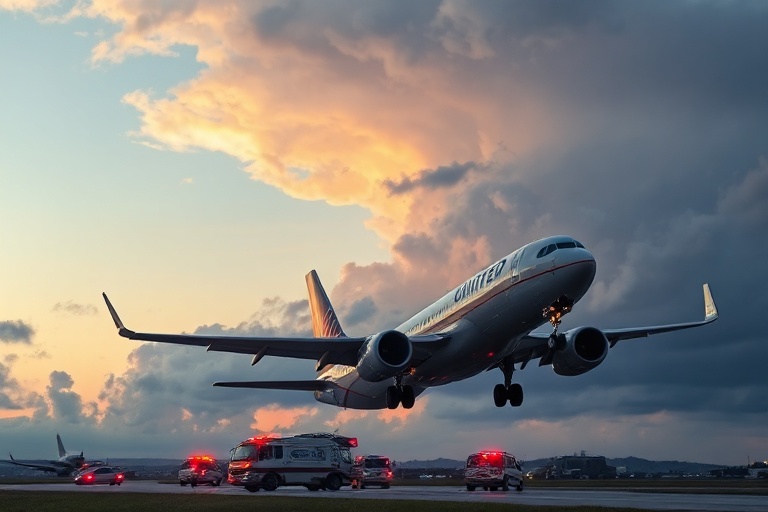
United Airlines Flight 579, scheduled from Los Angeles to Honolulu, experienced an unplanned diversion to San Francisco International Airport on the evening of June 9. Passengers reported a sudden mid-air announcement about a technical issue prompting the aircraft to land at the nearest safe airport. The Boeing 787 Dreamliner touched down in San Francisco approximately 90 minutes after takeoff, raising immediate concerns among travelers and aviation enthusiasts alike.
According to preliminary reports, the diversion stemmed from a pressurization alert in the aircraft’s systems. While pressurization issues are not uncommon, their timing—shortly after reaching cruising altitude—can signal more serious underlying problems. Aviation experts suggest that even minor discrepancies in cabin pressure regulation can lead to rapid oxygen depletion, making emergency protocols essential.
The Federal Aviation Administration (FAA) confirmed the incident and launched an investigation, emphasizing the importance of real-time diagnostics in modern aircraft. This event prompts broader questions about the reliability of automated systems aboard commercial airliners and the training pilots receive to respond to such alerts.
Passenger Experience: From Concern to Relief
Passengers aboard Flight 579 described a mix of anxiety and relief during the ordeal. One traveler shared that the cabin crew maintained a calm demeanor while preparing passengers for a potential emergency landing. “The flight attendants were professional and reassuring,” noted another passenger. “They guided us through the brace position even though the situation never escalated beyond the diversion.”
Social media quickly filled with firsthand accounts, many expressing gratitude toward the crew’s handling of the situation. Comments ranged from surprise at the swift response time to admiration for the crew’s composure under pressure. While no injuries were reported, the incident highlighted the unpredictable nature of air travel and the importance of crew preparedness.
United Airlines issued a statement confirming the safe landing and thanked passengers for their patience. The airline also reiterated its commitment to safety while coordinating with the FAA to determine the root cause of the pressurization alert.
Broader Implications for Aviation Safety
This incident is not an isolated case. In recent years, aviation authorities have recorded a slight uptick in in-flight diversions due to technical alerts, particularly involving newer aircraft models equipped with advanced but complex systems. While modern jets are designed with redundancy, the interconnected nature of their components means a single sensor failure can trigger multiple alerts.
Experts point out that these incidents often stem from software glitches rather than mechanical failures. The Boeing 787 Dreamliner, for example, relies heavily on fly-by-wire technology, where electronic systems control flight surfaces. This innovation improves fuel efficiency and passenger comfort but also increases the risk of system-induced anomalies.
Regulators and airlines are now prioritizing enhanced pilot training programs focused on interpreting and responding to complex system alerts. The goal is to ensure that flight crews can differentiate between minor glitches and critical failures, reducing unnecessary diversions while maintaining safety standards.
Key Takeaways from the United 579 Incident
- Pressurization alerts are serious but often require immediate pilot assessment to determine severity.
- Modern aircraft systems are highly advanced but can produce cascading alerts due to interconnected software.
- Crew training is evolving to include more scenario-based responses to system malfunctions.
- Passenger communication during incidents remains crucial for maintaining trust and reducing panic.
- Regulatory oversight is intensifying to address the growing complexity of new aircraft models.
What’s Next for United and the Aviation Industry?
The outcome of the FAA investigation into Flight 579 will likely influence maintenance protocols for the Boeing 787 fleet. If the alert stemmed from a software anomaly, Boeing may need to issue a service bulletin or software update to prevent recurrence. Airlines, including United, will also review their maintenance schedules and pilot training programs to address any identified gaps.
For passengers, this incident serves as a reminder of the rigorous safety standards governing commercial aviation. While diversions are disruptive, they are often a precautionary measure to ensure passenger well-being. The industry’s ability to adapt to technological advancements while maintaining safety will define its reputation in the years ahead.
As the investigation continues, aviation enthusiasts and industry stakeholders will closely monitor developments. Whether this incident leads to policy changes or technological improvements, one thing is clear: the skies remain among the safest modes of transportation, thanks to constant vigilance and innovation.
Further Reading: Explore more about aviation safety and travel updates on Dave’s Locker Travel and Dave’s Locker News.