Annecy: France’s Alpine Gem Beyond Scenic Views
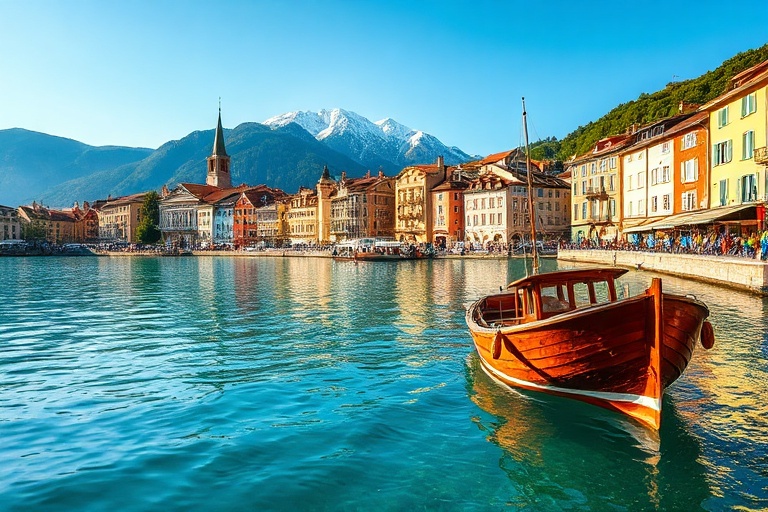
Nestled at the northern edge of Lake Annecy in southeastern France, the town of Annecy has long been celebrated for its fairytale beauty. With its pastel-colored buildings lining the canals, the iconic Palais de l’Isle fortress, and the crystal-clear waters of Europe’s cleanest lake, it’s easy to see why postcards and travel brochures have immortalized it as a must-visit destination. Yet, beyond the idyllic scenery lies a town with a rich history, a thriving cultural scene, and a growing reputation as a hub for innovation and sustainability.
Annecy’s appeal isn’t merely aesthetic. The town has evolved into a dynamic place where tradition meets modernity, where outdoor adventure blends seamlessly with urban sophistication. From its medieval roots to its role as a modern economic player, Annecy offers more than just picturesque backdrops—it provides a glimpse into the evolving identity of France’s Alpine regions.
The Historical Layers of Annecy
Annecy’s origins stretch back to the Roman era, but its most defining period began in the Middle Ages. Originally a fishing village, the town grew in importance as a trade route between France and Italy. By the 14th century, it had become the capital of the County of Geneva, a political and religious center under the House of Savoy. The Palais de l’Isle, built in the 12th century, served as a prison, courthouse, and administrative center—a silent witness to centuries of power struggles and legal intrigue.
The town’s architecture reflects this layered history. The old town, known as Vieil Annecy, is a labyrinth of cobblestone streets, hidden courtyards, and buildings that span Gothic, Renaissance, and Baroque styles. The Collégiale Saint-Pierre, a 16th-century collegiate church, stands as a testament to Annecy’s religious significance, while the Château d’Annecy offers panoramic views and a museum showcasing the region’s archaeology and history.
Annecy’s historical significance isn’t confined to its buildings. The town played a pivotal role during the Reformation, becoming a stronghold for the Protestant movement under the influence of figures like John Calvin. This religious heritage continues to influence Annecy’s cultural identity today, contributing to its reputation as an open and progressive community.
From Tourism to Innovation: Annecy’s Modern Transformation
While Annecy’s natural beauty has always drawn visitors, the town has recently begun to diversify its economic base. Traditionally reliant on tourism—particularly for skiing, hiking, and water sports—Annecy has emerged as a surprising hub for technology and innovation. The Annecy Technopole, located just outside the city center, is a prime example of this shift. Home to over 200 companies, the technopole focuses on sectors like advanced manufacturing, digital technology, and renewable energy.
One of the most notable success stories is Sopra Steria, a global IT services company with a significant presence in Annecy. The company’s operations here are part of a broader trend of tech firms choosing Annecy for its high quality of life, strong infrastructure, and access to a skilled workforce. This blend of natural beauty and professional opportunity is attracting a new generation of residents who want to live in a picturesque setting without sacrificing career growth.
The town’s commitment to sustainability also sets it apart. Annecy has invested heavily in eco-friendly initiatives, from solar-powered public transportation to waste reduction programs. The Lake Annecy Preservation Syndicate has worked for decades to maintain the lake’s pristine condition, making it a model for environmental stewardship in France. These efforts have earned Annecy recognition as one of the country’s most sustainable tourist destinations.
Culture and Creativity: Annecy’s Hidden Gems
Beyond its historical and economic appeal, Annecy is a town that pulses with creativity. The Annecy International Animation Festival is one of the most prestigious events in the animation industry, drawing filmmakers, artists, and enthusiasts from around the world. Since its inception in 1960, the festival has launched the careers of animators like Hayao Miyazaki and Isao Takahata, cementing Annecy’s reputation as a global capital of animation.
But the town’s cultural scene extends far beyond film. The Musée-Château d’Annecy hosts rotating exhibitions that explore everything from contemporary art to regional folklore. Meanwhile, local artisans and craftsmen keep traditions alive in workshops scattered throughout the old town. From handmade lace to artisanal cheeses, Annecy’s markets offer a sensory journey through Savoyard culture.
The town’s culinary scene is another highlight. Savoyard cuisine, with its hearty dishes like tartiflette, raclette, and diots au vin blanc, reflects the region’s Alpine heritage. Yet, Annecy’s restaurants are also embracing modernity, with chefs blending traditional flavors with contemporary techniques. The Marché de la Vieille Ville, held daily in the old town, is a must-visit for food lovers looking to sample local specialties.
Why Annecy Matters Beyond the Postcard
Annecy’s story is more than just a tale of picturesque landscapes and tourist hotspots. It’s a narrative about resilience, adaptation, and the delicate balance between preserving heritage and embracing progress. In an era where many historic towns struggle to retain their identity amid mass tourism, Annecy has managed to evolve without losing its soul.
The town’s success offers several key lessons for other destinations facing similar challenges:
- Diversification is key. By expanding its economic base beyond tourism, Annecy has created a more resilient local economy. The growth of the tech sector and sustainable industries demonstrates how towns can adapt to changing global trends.
- Sustainability sells. Annecy’s commitment to environmental preservation isn’t just good for the planet—it’s good for business. Tourists increasingly seek destinations that prioritize sustainability, and Annecy’s efforts have paid off in both reputation and revenue.
- Culture is an economic driver. Events like the Annecy International Animation Festival prove that cultural initiatives can attract global audiences and stimulate local economies. This approach is particularly effective for towns with rich artistic traditions.
- Quality of life matters. Annecy’s ability to attract tech workers and young professionals highlights the importance of livability. Towns that offer a high quality of life—combining natural beauty, cultural amenities, and economic opportunity—are well-positioned for future growth.
For travelers, Annecy offers an opportunity to experience France beyond the typical tourist trail. While the postcard views are undeniably stunning, the real magic lies in the town’s ability to surprise. A stroll through the old town might lead to a hidden café serving the best croque-monsieur in the region. A hike in the nearby La Tournette mountain could reveal breathtaking views of the lake and the surrounding Alps. And a visit to a local artisan workshop might uncover a piece of Savoyard craftsmanship that tells a story of tradition and innovation.
Annecy is a reminder that the most compelling destinations are those that embrace change while honoring their past. It’s a town that invites visitors to do more than just take photos—it encourages them to engage, explore, and discover.
As Annecy continues to grow and evolve, its story serves as an inspiration for other towns seeking to balance tourism, tradition, and progress. Whether you’re drawn by the allure of the Alps, the charm of its old town, or the promise of innovation, Annecy offers something for everyone. And in a world where so many places feel interchangeable, that’s a rare and precious thing.
For more on travel and cultural trends, explore our Travel and Culture sections.