Understanding Ramadan: A Month of Reflection and Community
Ramadan is a sacred month observed by millions of Muslims around the globe. It is a time for spiritual reflection, increased devotion, and worship. The month is marked by fasting from dawn until sunset, which is one of the Five Pillars of Islam. Fasting during Ramadan is not merely about abstaining from food and drink; it also encompasses a commitment to spiritual growth, self-discipline, and community bonding.
The Significance of Fasting
The act of fasting, known as ‘sawm’, serves multiple purposes. It is an opportunity for Muslims to practice self-restraint and empathy towards those who are less fortunate. By experiencing hunger and thirst, individuals gain a better understanding of the struggles faced by the needy. This practice fosters a sense of compassion and charity, encouraging people to give back to their communities.
- Spiritual Growth: Fasting allows individuals to cleanse their souls and refocus on their faith.
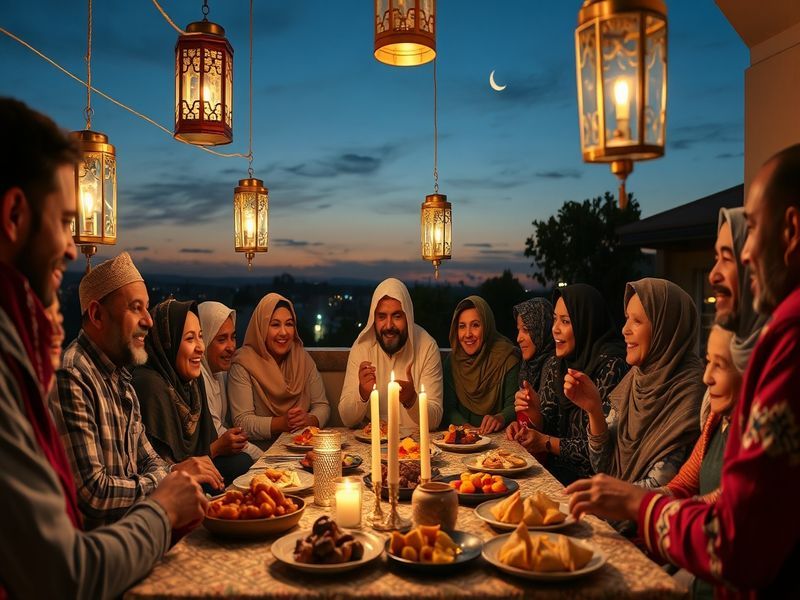
- Community Bonding: Shared meals, especially the iftar, help strengthen relationships within families and communities.
- Health Benefits: Intermittent fasting can promote physical health, although moderation is key.
- Increased Charity: The month encourages giving to those in need, reinforcing a sense of social responsibility.
Traditions and Customs During Ramadan
Every culture has its unique way of observing Ramadan. Traditions can vary widely depending on regional practices and local customs. However, some universal elements are shared among Muslim communities worldwide. The pre-dawn meal, known as ‘suhoor’, is crucial as it provides the necessary energy for the day ahead. As the sun sets, families gather for ‘iftar’, breaking the fast with dates and water before enjoying a larger meal.
Additionally, many Muslims engage in increased prayer and recitation of the Quran. Special nightly prayers, called ‘Tarawih’, are held at mosques, offering an opportunity for collective worship. This month is also marked by heightened acts of charity and community service, reflecting the core values of Islam.
Broader Implications of Ramadan
Ramadan extends beyond personal spirituality; it has significant implications for social dynamics and global interactions. The month serves as a reminder of the importance of community and compassion, especially in a world often divided by differences. It emphasizes values such as empathy, understanding, and cooperation, which are essential for societal harmony.
Moreover, Ramadan can influence economic activities. In many countries, businesses adapt their hours to accommodate those who are fasting, while markets often see an increase in food sales as families prepare for iftar. This shift can have both positive and negative impacts on local economies, depending on the region and its dependence on tourism or retail.
As Ramadan draws to a close, the celebration of Eid al-Fitr marks a transition. This festival not only signifies the end of fasting but also promotes forgiveness and unity. The communal prayers, festive meals, and acts of charity characterize this joyous occasion, reinforcing the values nurtured throughout the month.
Conclusion
Ramadan is a profound period of introspection, growth, and community. It encourages individuals to strengthen their faith while fostering bonds with others. The significance of fasting transcends mere abstention from food; it is a holistic approach to living that encompasses physical, emotional, and spiritual well-being. As people around the world observe this sacred month, the values of empathy, charity, and community will continue to resonate, reminding us all of our shared humanity.
For more insights on cultural events and practices, visit our Culture section or explore our Food category for delicious iftar recipes.