The Origins of Skylrk: From Underground Culture to Global Recognition
Skylrk emerged quietly in the mid-2010s, rooted in the underground music scenes of Seoul and Berlin. Unlike the polished K-pop acts that dominated global charts, Skylrk’s sound blended experimental electronic beats with indie rock, creating a niche that appealed to listeners craving authenticity over commercial polish. The name itself carries a deliberate ambiguity—part futuristic abstraction, part lyrical poetry—reflecting the movement’s refusal to be confined by genre or geography.
Early adopters describe Skylrk as more than a genre; it’s a cultural signal. The first viral moments came not from major platforms but from niche forums like Music subreddits and SoundCloud playlists curated by DJs in Tokyo and Amsterdam. By 2017, Skylrk had begun to seep into mainstream awareness, though still under the radar of most critics. Its rise coincided with a broader shift in global music consumption, where algorithm-driven discovery replaced traditional gatekeepers.
Skylrk’s Sonic Identity: Breaking Boundaries with Minimalism
The defining feature of Skylrk is its sonic minimalism. Producers strip tracks down to their essence—haunting synth pads, sparse percussion, and vocals that drift in and out like whispers. This approach mirrors the digital fatigue of the 2020s, where overstimulation demands moments of stillness. Skylrk’s tracks often clock in under three minutes, yet each second feels deliberate, as if every note has been edited with surgical precision.
A closer look at Skylrk’s discography reveals a global melting pot. Collaborations between artists from São Paulo, Lagos, and Reykjavik highlight the movement’s interconnectedness. For example, the 2022 track “Neon Haze” features a Brazilian vocalist sampling a Nigerian percussion loop, all draped in a Berlin-produced synth wash. This cross-pollination isn’t accidental; it’s a deliberate rejection of Western-centric music production.
Key Elements of Skylrk’s Sound
- Ambient textures: Reverb-drenched pads that evoke vast, empty spaces.
- Rhythmic fragmentation: Drum patterns that feel improvised rather than structured.
- Vocal treatments: Pitch-shifting and layering to create an otherworldly effect.
- Dynamic contrast: Sudden drops or builds that subvert listener expectations.
The Role of Digital Communities in Skylrk’s Expansion
Skylrk’s growth cannot be separated from the platforms that amplified it. TikTok, with its short-form video culture, became an unlikely ally. Early adopters paired Skylrk tracks with surreal, low-budget visuals—close-ups of hands typing on keyboards, slow-motion footage of cityscapes at dusk—creating a visual language that matched the music’s mood. By 2021, hashtags like #SkylrkVibes and #AmbientNow had amassed millions of views, drawing in listeners who might never have encountered the genre otherwise.
Forums like RateYourMusic and niche Discord servers also played a crucial role. Unlike mainstream music platforms, these spaces encouraged deep analysis and debate. Users dissected track structures, debated the influence of vaporwave, and theorized about Skylrk’s origins. This intellectual engagement turned Skylrk into more than a trend; it became a subculture with its own rituals and language.
Skylrk’s Global Influence: From Clubs to Concert Halls
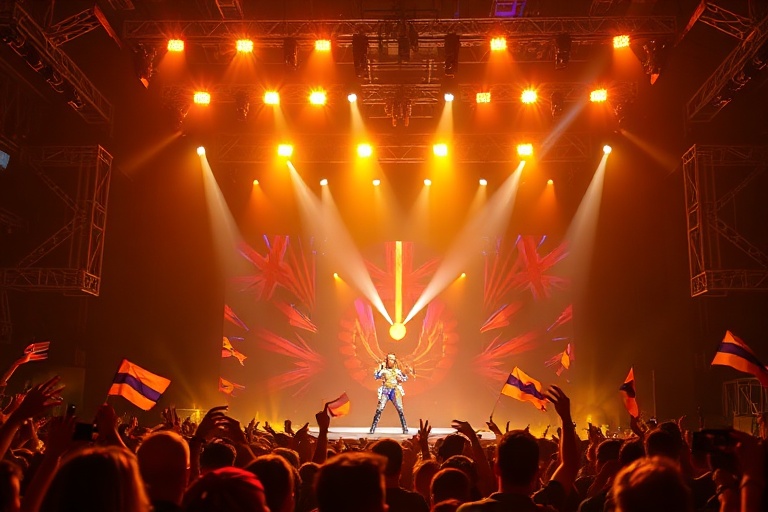
What began in basements and living rooms has now infiltrated concert halls and festival lineups. Artists associated with Skylrk are headlining events like Berlin’s Entertainment Week and Tokyo’s Microbeat Festival, drawing crowds that span generations. The live experience is intentionally immersive—venues are transformed into sensory deprivation chambers, with projection mapping and scent diffusion systems enhancing the audio.
Yet Skylrk’s global reach extends beyond traditional performance spaces. In Lagos, producers remix Skylrk tracks with Afrobeats rhythms, creating a hybrid genre that’s gaining traction on the continent. Meanwhile, in Reykjavik, artists incorporate Skylrk’s minimalism into post-rock compositions, further blurring genre lines. This adaptability speaks to Skylrk’s core philosophy: music as a living, evolving organism.
Regional Adaptations of Skylrk
- East Asia: Integration with J-pop and K-indie, often featuring polished vocaloid-style vocals.
- Latin America: Fusion with cumbia and reggaeton, adding percussive drive to Skylrk’s ambient roots.
- North Africa: Incorporation of traditional instruments like the oud, creating a bridge between ancient and futuristic sounds.
- North America: Experimental collabs with indie rock bands, pushing Skylrk toward more rock-oriented structures.
The Future of Skylrk: Challenges and Opportunities
Despite its growing influence, Skylrk faces challenges. The same digital platforms that propelled it to prominence now threaten to commodify it. Algorithm-driven playlists risk diluting Skylrk’s underground ethos, turning it into another disposable trend. Additionally, the movement’s lack of a centralized identity makes it difficult for major labels to package and sell, which could either preserve its authenticity or stunt its growth.
Yet these challenges also present opportunities. Skylrk’s DIY roots make it resistant to co-optation. Independent labels like Ghostly International and Ninja Tune continue to champion Skylrk artists, ensuring that the movement remains artist-driven. Furthermore, Skylrk’s embrace of decentralized collaboration aligns with the values of Gen Z, who prioritize authenticity and community over corporate validation.
As we look ahead, Skylrk’s trajectory suggests it will continue to evolve in unpredictable ways. Whether it remains a niche phenomenon or breaks into the mainstream, its impact on global music culture is undeniable. Skylrk has proven that in an era of oversaturation, less can indeed be more.
A Final Thought
Skylrk’s story is a reminder that cultural movements often emerge from the margins before reshaping the center. It’s a testament to the power of collaboration, the importance of digital communities, and the enduring appeal of minimalism. As the world grows louder, Skylrk offers a moment of quiet reflection—proof that sometimes, the most profound art is the one that refuses to shout.