Nestled in the heart of the Coachella Valley, Indio, California, is a city that has quietly transformed from a sleepy agricultural hub into a dynamic cultural crossroads. Known primarily for hosting the world-famous Coachella Valley Music and Arts Festival, Indio offers far more than just a weekend of music. Its rich history, diverse communities, and strategic location have shaped it into a microcosm of modern Southern California life.
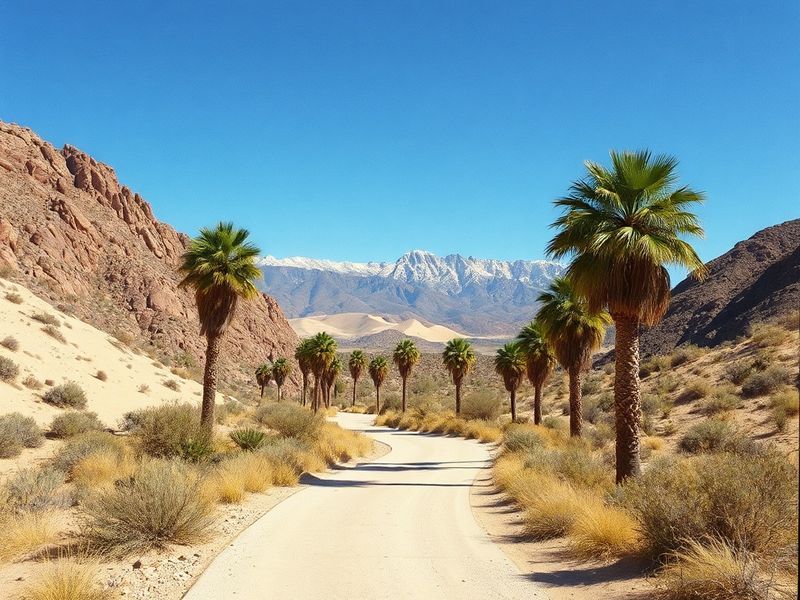
The city sits just west of the Colorado River, where the Sonoran Desert meets the Colorado Desert. This geographical position has given Indio a unique identity—blending desert resilience with urban ambition. With a population nearing 90,000, it’s one of the fastest-growing cities in the region, drawing residents from across the U.S. and beyond. But Indio’s appeal isn’t just about growth. It’s about rhythm, heritage, and a sense of place that feels both timeless and evolving.
The Rise of Indio as a Cultural Hub
Indio’s transformation into a cultural destination didn’t happen overnight. For decades, it was known as the “City of Festivals,” hosting events like the Riverside County Fair and National Date Festival. These celebrations rooted Indio in agriculture—the region has been a top producer of dates since the early 20th century. Yet, it was music that truly put Indio on the map.
The turning point came in 1999 with the launch of the Coachella Valley Music and Arts Festival. Organized by Goldenvoice, a Los Angeles-based promoter, Coachella began as a one-day event with acts like Beck and Tool. Over the years, it grew into a multi-weekend phenomenon drawing over 250,000 attendees annually. While Indio’s infrastructure wasn’t designed for such crowds, the city adapted with remarkable speed—expanding venues, improving transit, and embracing its role as a global stage.
Beyond Coachella, Indio is home to the Fantasy Springs Casino, a major entertainment venue run by the Agua Caliente Band of Cahuilla Indians. The casino complex includes a concert hall, bowling alley, and multiple dining options, making it a year-round destination. This blend of public and tribal enterprise reflects Indio’s layered identity—where Indigenous heritage, modern commerce, and artistic expression coexist.
Economic and Social Impact: Beyond the Spotlight
The festival economy has reshaped Indio’s financial landscape. Local businesses—from hotels and restaurants to transportation services—see a significant boost during event weekends. Hotels fill months in advance, and short-term rentals surge. Yet, the impact isn’t limited to April. Indio has invested in infrastructure, including a new $15 million transit center and ongoing improvements to Highway 111, to support year-round visitors.
But economic growth hasn’t come without challenges. Rapid development has raised concerns about housing affordability and traffic congestion. The median home price in Indio is still below the county average, but prices have risen sharply in recent years. Local leaders are working on policies to balance growth with livability, including affordable housing initiatives and expanded public services.
Indio is also one of the most diverse cities in the Coachella Valley. According to U.S. Census data, nearly 70% of residents identify as Hispanic or Latino, and over 40% speak Spanish at home. This cultural richness is reflected in local festivals, cuisine, and community events. The annual Tamale Festival, for instance, celebrates the city’s Mexican-American roots with live music, food vendors, and cultural performances.
Key Industries Shaping Indio’s Economy
- Agriculture: Still a major producer of dates, citrus, and vegetables, though land is increasingly being repurposed for development.
- Tourism & Hospitality: Fueled by festivals, casinos, and desert tourism, with over 3 million visitors annually.
- Renewable Energy: Home to solar farms contributing to California’s clean energy goals.
- Healthcare: Expanding sector with new clinics and partnerships with regional hospitals.
Indio in a Global Context: A Desert Oasis for the Modern World
Indio’s story mirrors broader trends in desert cities worldwide—places like Dubai, Doha, or Palm Springs—that have leveraged climate, culture, and connectivity to thrive. Like these global hubs, Indio faces the dual challenge of preserving its identity while embracing modernity. Its annual influx of international artists, influencers, and tourists gives it a cosmopolitan edge, yet it remains deeply rooted in its desert environment.
The city’s proximity to Palm Springs (20 minutes away) and Joshua Tree National Park (40 minutes) enhances its appeal as a gateway to desert experiences. Visitors often combine festival weekends with desert hikes, art gallery tours, or spa retreats. This synergy has turned the entire Coachella Valley into a lifestyle destination—one where music, nature, and luxury intersect.
Indio also plays a role in broader cultural conversations. The Coachella Festival has become a platform for social and political expression, with performances addressing climate change, racial justice, and LGBTQ+ rights. In 2023, headliners like Blackpink and Bad Bunny used their sets to highlight global issues, drawing international media attention. This cultural relevance elevates Indio from a regional hotspot to a global conversation starter.
The Future of Indio: Sustainability, Innovation, and Identity
Looking ahead, Indio faces both opportunities and pressures. Climate change poses a threat to the region’s water supply and agricultural base. The city is investing in conservation programs, including rebates for water-efficient landscaping and partnerships with local tribes to manage Colorado River resources responsibly.
Innovation is also on the rise. The city has launched a “Smart City” initiative, installing sensors to monitor traffic and air quality. These efforts aim to reduce congestion and improve public health—key concerns in a desert environment where extreme heat can exacerbate pollution.
Yet, perhaps the most pressing question for Indio is how to maintain its soul amid rapid change. The city’s leaders emphasize preserving its agricultural heritage through community gardens and educational programs. Meanwhile, local artists are reclaiming public spaces with murals and installations that reflect the city’s diversity. These grassroots efforts suggest that Indio’s future will be shaped not just by external forces, but by the people who call it home.
For visitors, Indio offers an authentic slice of California life—where the desert sun meets the beat of a bassline, and where history and modernity dance in the same streets. Whether you’re there for the music, the food, or the desert air, Indio delivers an experience that lingers long after the last note fades.
And as the city continues to grow, one thing is clear: Indio isn’t just a pit stop on the way to somewhere else. It’s a destination in its own right.