How Arthur Shelby Became a Global Icon Beyond Peaky Blinders
Arthur Shelby: The Antihero Who Defined a Generation
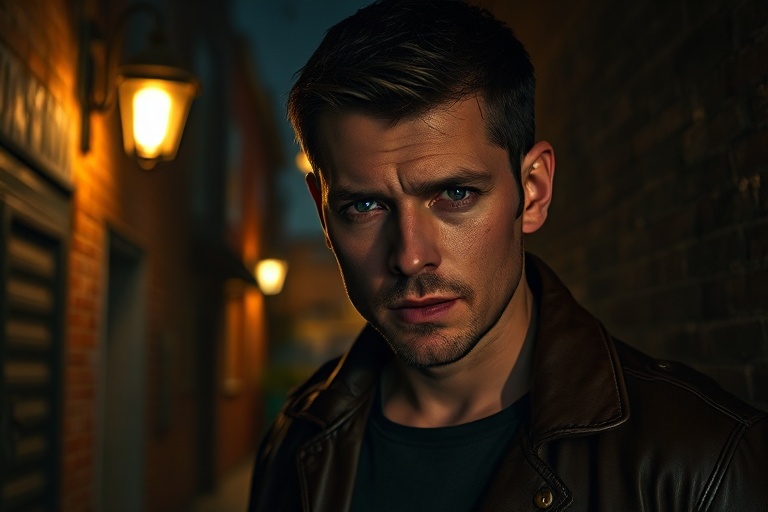
The character of Arthur Shelby Jr., portrayed by Paul Anderson in Peaky Blinders, transcends the boundaries of television. More than a fictional gangster, Arthur became a cultural archetype—a flawed, violent, yet oddly magnetic figure whose struggles mirrored the chaos of post-war Britain. His journey from a brutal enforcer to a reluctant leader offered audiences a raw, unfiltered look at survival in a world that had already discarded men like him.
What makes Arthur Shelby resonate globally isn’t just his sharp suits or brutal efficiency. It’s his humanity—or what’s left of it. In an era where antiheroes dominate screens from Seoul to São Paulo, Arthur stands out for his refusal to romanticize villainy. He’s not charming like Tony Soprano, nor calculating like Walter White. Arthur is raw, unpredictable, and often his own worst enemy. Yet, audiences worldwide see themselves in his desperation, his loyalty to family, and his futile attempts to outrun his own demons.
The Shelby Empire: A Global Phenomenon
Peaky Blinders began as a British series but evolved into a global export, streaming in over 200 territories. Arthur Shelby’s character played a pivotal role in this expansion. His arc—from a thug with a heart of stone to a man haunted by his choices—provided a narrative hook that resonated across cultures. Whether in Tokyo, Buenos Aires, or Lagos, viewers connected with Arthur’s struggle to reconcile power with morality.
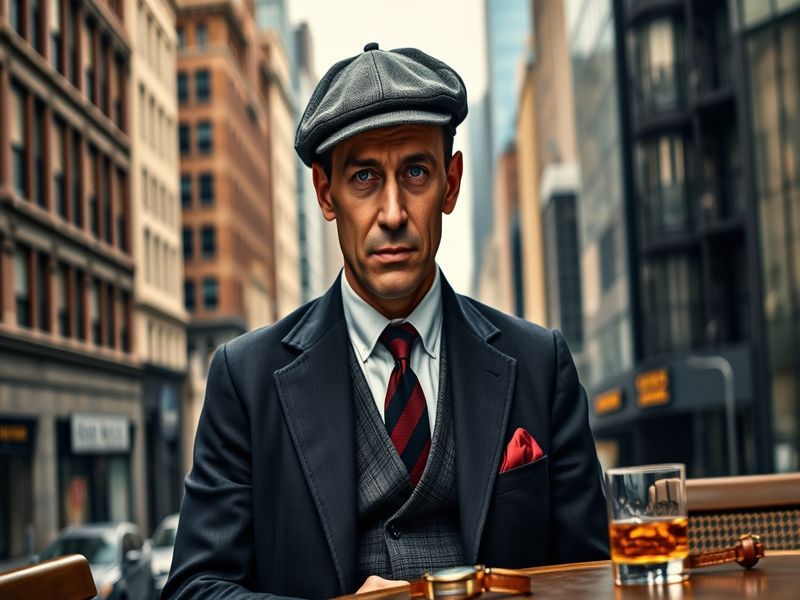
The show’s influence extended beyond television. Fashion trends surged as Arthur’s signature three-piece suits became a staple in streetwear. Brands like Topman and ASOS capitalized on the Peaky Blinders aesthetic, launching collections inspired by the Shelby’s style. Even the music—featuring Nick Cave, Arctic Monkeys, and other rock icons—blended seamlessly with Arthur’s gritty persona, creating a soundscape that felt both timeless and contemporary.
- Fashion: Arthur’s tailored suits and flat caps became a global streetwear phenomenon, influencing designers from Milan to Mumbai.
- Music: The show’s curated soundtrack introduced international audiences to classic and contemporary rock, amplifying its cultural reach.
- Gaming: Arthur Shelby’s character inspired mods in games like Red Dead Redemption 2 and Grand Theft Auto, where players recreated his swagger and ruthlessness.
Arthur Shelby’s Cultural Legacy: Why He Matters Beyond Birmingham
Arthur Shelby’s appeal lies in his universality. He embodies the working-class struggle, a theme that transcends borders. In Italy, viewers saw parallels to the mafioso antiheroes of Gomorrah. In India, his defiance against authority mirrored the narratives of Bollywood’s outlaw protagonists. Even in the United States, where gangster narratives are a dime a dozen, Arthur stood out for his refusal to glorify violence. His brutality was never glamorized—it was a survival tactic, a reflection of the world he inhabited.
The Shelby family’s story also tapped into a global fascination with organized crime. Shows like The Sopranos and Narcos explored similar themes, but Arthur Shelby’s character offered something different: a glimpse into the psychological toll of power. His panic attacks, his self-loathing, and his desperate need for control made him relatable in a way few gangster characters are. He wasn’t just a villain; he was a man broken by his circumstances, and that vulnerability made him compelling.
The Shelby Effect: How Arthur Changed Television
Peaky Blinders redefined what audiences expected from period dramas. Gone were the stiff, dialogue-driven narratives of shows like Downton Abbey. In their place was a raw, visceral story driven by emotion and violence. Arthur Shelby’s character was central to this shift. His unpredictability kept viewers on edge, while his moral ambiguity challenged traditional storytelling norms.
The show’s success also paved the way for more complex antiheroes in television. Characters like Barry Berkman in Barry and Joe Goldberg in You owe a debt to Arthur’s unapologetic brutality. Even in anime, where antiheroes like Light Yagami from Death Note dominate, Arthur Shelby’s struggle between ambition and morality feels eerily familiar.
Critics often debate whether Arthur Shelby is a hero or a villain. The truth is, he’s neither—and that’s what makes him so fascinating. He’s a product of his environment, a man shaped by war, poverty, and betrayal. His actions are indefensible, but his humanity is undeniable. In a world where audiences are increasingly drawn to morally complex characters, Arthur Shelby remains a standout.
The Global Shelby: How Arthur Shelby Became a Worldwide Icon
Arthur Shelby’s influence extends far beyond the screen. His character has inspired everything from academic studies on post-war masculinity to viral social media trends. In 2022, a BBC survey ranked Arthur Shelby as one of the most influential television characters of the 21st century, alongside Walter White and Tyrion Lannister. His reach is undeniable, but what does it say about global audiences that they’ve embraced a character so steeped in violence and moral ambiguity?
Part of Arthur’s appeal lies in his relatability. Despite his criminal lifestyle, he’s a man trying to protect his family in a world that offers no safety nets. His loyalty to Thomas Shelby, even when it’s misplaced, resonates with viewers who understand the weight of familial obligation. His flaws make him human, and his humanity makes him unforgettable.
The show’s international success also highlights a shift in global television consumption. Audiences are no longer content with passive storytelling. They crave depth, ambiguity, and characters who reflect the complexities of real life. Arthur Shelby delivers on all fronts. He’s not a hero to root for, but he’s a man to understand—and that’s a rare and powerful thing in modern storytelling.
Conclusion: Arthur Shelby’s Enduring Shadow
As Peaky Blinders draws to a close, Arthur Shelby’s legacy is secure. He’s more than a fictional gangster; he’s a cultural touchstone, a symbol of resilience in the face of adversity, and a cautionary tale about the cost of power. His influence can be seen in everything from fashion to film, proving that sometimes the most compelling stories aren’t about heroes—they’re about the men and women who refuse to be broken, even when the world tries to grind them down.
In the end, Arthur Shelby’s story is a reminder that humanity isn’t defined by one’s choices but by one’s capacity to feel. Whether you see him as a villain, a victim, or something in between, there’s no denying that Arthur Shelby left an indelible mark on global culture. And as long as audiences crave stories that challenge and provoke, his shadow will continue to loom large.