iran war
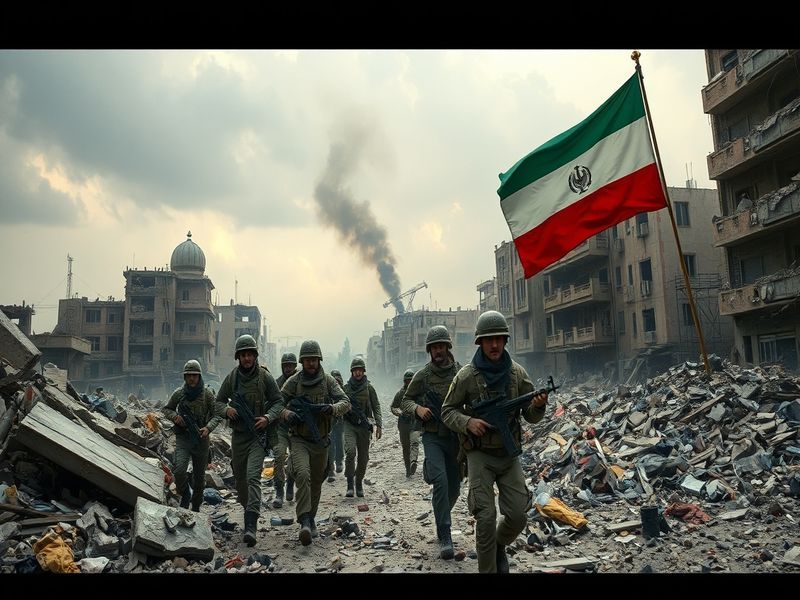
The specter of war in the Middle East has once again taken center stage, this time centered on Iran. The country’s nuclear ambitions, regional proxy conflicts, and strained diplomatic relations with global powers have created a volatile mix. As tensions escalate, the world watches closely, aware that any misstep could lead to catastrophic consequences.
The roots of this crisis stretch back decades. Iran’s 1979 Islamic Revolution transformed the nation into a theocratic state, alienating it from Western powers. The 2002 revelation of Iran’s covert nuclear program ignited international alarm, leading to sanctions and diplomatic isolation. Today, the situation remains precarious, with military posturing and covert operations adding layers of complexity.
The Historical Context: Why Iran Matters
Iran’s significance in global geopolitics cannot be overstated. Its strategic location at the crossroads of Central Asia, the Middle East, and South Asia makes it a critical player in regional stability. The country’s vast oil reserves and control over key shipping lanes further amplify its importance.
Historically, Iran has been a counterbalance to regional rivals like Saudi Arabia and Israel. Its support for groups like Hezbollah in Lebanon and the Houthis in Yemen has cemented its influence, though often at the expense of strained relations with Western nations. The 2015 nuclear deal, formally known as the Joint Comprehensive Plan of Action (JCPOA), temporarily eased tensions. However, the Trump administration’s withdrawal in 2018 and subsequent reimposition of sanctions reignited hostilities.
The JCPOA’s collapse left Iran with few options but to accelerate its nuclear program. By 2021, Iran had enriched uranium to levels far beyond what was permitted under the agreement, raising concerns about its potential to develop nuclear weapons. Meanwhile, proxy conflicts in Syria, Iraq, and Yemen have drawn Iran into direct confrontation with regional adversaries, further destabilizing the area.
Key Players in the Crisis
The current standoff involves multiple actors, each with their own agendas. The United States, under President Biden, has sought to revive the nuclear deal while maintaining a firm stance against Iran’s regional activities. Israel, Iran’s sworn enemy, has taken a more aggressive approach, reportedly conducting covert strikes against Iranian nuclear facilities and proxy groups.
Russia and China have positioned themselves as Iran’s allies, providing economic and military support. Their involvement adds another layer of complexity, as their interests often clash with those of the West. Meanwhile, European nations, though supportive of the JCPOA, have struggled to mediate between the U.S. and Iran, leaving the region in a state of limbo.
Recent Developments: Escalation and Uncertainty
In recent months, the situation has grown increasingly tense. Reports of sabotage attacks on Iranian nuclear sites, including the assassination of top nuclear scientists, have fueled suspicions of Israeli involvement. Iran, in turn, has vowed retaliation, raising fears of a direct military confrontation.
The Biden administration has signaled its willingness to engage in diplomacy, but progress has been slow. Iran’s demand for sanctions relief and guarantees against future U.S. withdrawals has created a stalemate. Meanwhile, regional tensions have spilled over into attacks on oil tankers in the Persian Gulf and missile strikes on Saudi Arabian territory.
The humanitarian toll of these conflicts is staggering. Civilian populations in Yemen, Syria, and Iraq bear the brunt of proxy wars, while sanctions have crippled Iran’s economy, leading to widespread poverty and unrest. The international community faces a difficult choice: prioritize diplomacy and risk further Iranian aggression, or escalate military pressure and risk a wider war.
The Cultural and Economic Fallout
Beyond the geopolitical implications, the crisis has had profound cultural and economic effects. In Iran, decades of isolation have fostered a resilient yet divided society. While the government maintains a hardline stance against the West, ordinary citizens grapple with economic hardship and limited freedoms. Social unrest has surged, with protests erupting over rising prices, unemployment, and government corruption.
Globally, the threat of war has disrupted energy markets, causing oil prices to fluctuate unpredictably. Countries reliant on Middle Eastern oil, such as India and China, have scrambled to secure alternative supplies, while Western nations monitor the situation closely. The specter of a wider conflict has also triggered a surge in military spending, particularly among Gulf states like Saudi Arabia and the UAE.
Culturally, the crisis has reignited debates about nuclear proliferation and the ethics of war. Filmmakers, artists, and writers have explored these themes in works that reflect the anxieties of a world on the brink. Meanwhile, diaspora communities from Iran and neighboring countries have become vocal advocates for peace, using social media to amplify their messages.
What Lies Ahead?
The path forward remains uncertain. Diplomacy offers the best hope for de-escalation, but mistrust runs deep. Iran’s leadership, facing internal pressure and external threats, may see military action as a way to rally domestic support. Conversely, a miscalculation on either side could trigger a conflict with global repercussions.
For now, the world watches and waits. The stakes are higher than ever, and the margin for error is razor-thin. Whether through dialogue or disaster, the decisions made in the coming months will shape the future of the Middle East and beyond.
Conclusion: A Call for Vigilance and Diplomacy
The Iran war crisis is a stark reminder of how quickly regional conflicts can spiral into global emergencies. It underscores the need for robust diplomatic efforts, economic cooperation, and cultural understanding to prevent catastrophe. As nations navigate these treacherous waters, the lessons of history must not be forgotten.
For those seeking deeper insights, resources like Politics and Analysis on Dave’s Locker offer comprehensive coverage of global affairs. Stay informed, stay vigilant, and above all, prioritize peace.