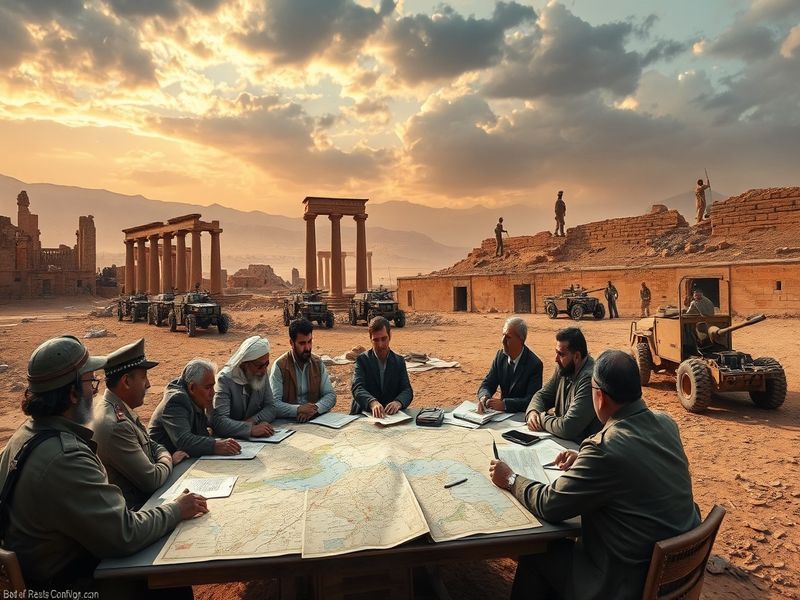
The Iran War: Historical Context and Modern Implications
Understanding the Iran War: Historical Context and Current Implications
The term “Iran War” often evokes a complex web of historical, political, and social factors. While many may think of military conflicts, the implications go beyond mere battles. The Iran War can refer to various conflicts, including the Iran-Iraq War of the 1980s and the ongoing tensions between Iran and other nations. This article aims to explore these conflicts and their broader implications on global politics and security.
The Iran-Iraq War: A Long and Bloody Conflict
One of the most significant conflicts involving Iran was the Iran-Iraq War, which lasted from 1980 to 1988. This war was marked by brutal trench warfare, extensive use of chemical weapons, and significant civilian casualties. The war began when Iraq, led by Saddam Hussein, invaded Iran, seeking to capitalize on the chaos following the Iranian Revolution of 1979.
Key factors that contributed to the war include:
- Territorial disputes, particularly over the Shatt al-Arab waterway.
- Ethnic tensions between Kurds in Iraq and the Iranian government.
- Religious divisions between Sunni and Shia Muslims.
- The power vacuum created by the 1979 Iranian Revolution.
The war resulted in approximately one million casualties and devastated both nations’ economies. The conflict ended in a stalemate, with neither side achieving a decisive victory. However, the consequences of this war have had lasting effects on regional stability and international relations.
Modern-Day Tensions: The U.S. and Iran
In recent years, tensions between the United States and Iran have escalated significantly. The U.S. withdrawal from the Joint Comprehensive Plan of Action (JCPOA) in 2018 marked a turning point. This agreement was aimed at limiting Iran’s nuclear capabilities in exchange for lifting economic sanctions. The withdrawal led to increased sanctions and military posturing from both sides.
Several key events have further strained relations:
- The assassination of Iranian General Qassem Soleimani by a U.S. drone strike in January 2020.
- Increased Iranian military activity in the Gulf region.
- Ongoing cyber warfare between the two nations.
- Allegations of Iranian support for militant groups in the Middle East.
These developments have raised concerns about the possibility of direct military confrontation. The potential for armed conflict has implications not only for the Middle East but also for global security. The region’s stability is crucial due to its vast oil reserves, which are vital for many economies worldwide.
The Broader Implications of the Iran War
The implications of the Iran War extend beyond military engagements. Economically, the sanctions imposed on Iran have led to significant hardships for its citizens. The country’s economy has struggled, leading to inflation and unemployment. Furthermore, these sanctions have fueled anti-Western sentiment among the Iranian population, complicating diplomatic efforts.
Regionally, Iran’s actions have influenced the dynamics of several neighboring countries. For instance, Iranian support for groups like Hezbollah in Lebanon and various militias in Iraq has altered power balances. These relationships have caused concern among Gulf States, leading to increased military spending and alliances with Western nations.
Internationally, the Iran War has prompted discussions on nuclear non-proliferation. As Iran seeks to develop its nuclear capabilities, other nations may feel compelled to enhance their own military capabilities, leading to an arms race in the region.
Conclusion: The Path Forward
Understanding the Iran War requires a multifaceted approach that considers historical events, current tensions, and broader implications. The legacy of the Iran-Iraq War continues to shape regional dynamics, while modern conflicts highlight the delicate balance of power in the Middle East. As global leaders navigate these complex issues, the hope remains that diplomatic efforts can pave the way for a more stable future. The international community must engage in constructive dialogue to address concerns, reduce tensions, and foster peace.
For more insights on international relations and conflicts, visit our News and Analysis sections.