Understanding TSA Regulations at Airports
The Transportation Security Administration (TSA) plays a crucial role in ensuring the safety of air travel within the United States. Established in response to the September 11 attacks, the TSA implements security measures designed to protect passengers, airline staff, and the broader public. This article explores the TSA’s functions at airports, the processes involved, and the implications of these regulations for travelers.
Key Functions of the TSA
The TSA is responsible for a range of security operations at airports. Its primary duties include screening passengers and their belongings, overseeing airport security personnel, and managing policies related to air travel safety. Understanding these functions is essential for travelers who want to navigate the airport experience smoothly.
- Passenger Screening: TSA agents conduct thorough checks of passengers through metal detectors and body scanners.
- Baggage Inspection: All carry-on and checked baggage undergoes inspection for prohibited items.
- Security Personnel Oversight: The TSA oversees airport security staff, ensuring they follow established protocols.
- Policy Implementation: The agency develops and enforces policies to enhance air travel security.
The Screening Process
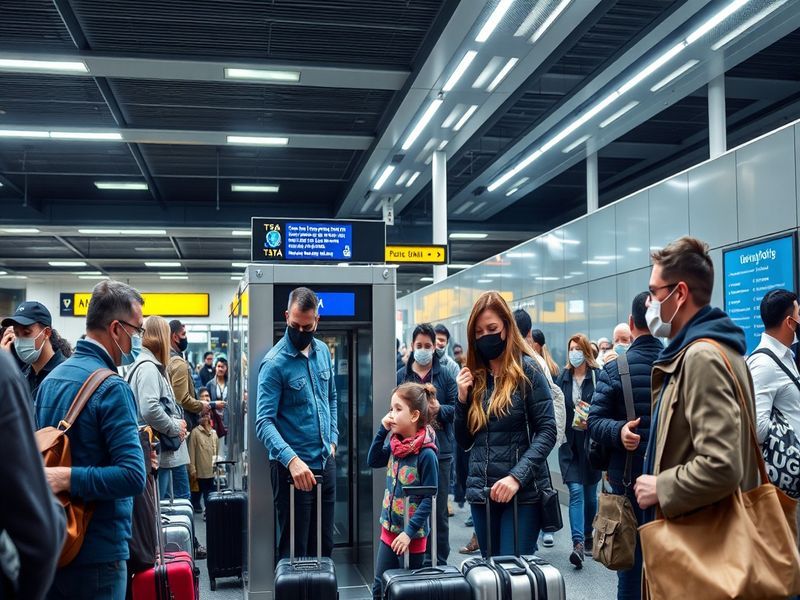
The screening process at TSA checkpoints can often be a significant source of stress for travelers. However, knowing what to expect can alleviate some of that anxiety. Upon arriving at the checkpoint, passengers must present their boarding passes and identification. Following this, they will proceed through security screening. The process typically includes the following steps:
- Removal of shoes, belts, and jackets.
- Placement of personal items into bins for x-ray inspection.
- Passing through a metal detector or full-body scanner.
- Additional screening if necessary, which may involve pat-downs or further inspection of belongings.
Travelers should prepare accordingly. Keeping essential items easily accessible can help expedite the process. Moreover, knowing the TSA’s prohibited items list can prevent delays and inconveniences.
Broader Implications of TSA Regulations
The TSA’s regulations extend beyond security. They also influence the overall travel experience, impacting everything from flight schedules to passenger satisfaction. Delays at security checkpoints can lead to cascading effects, including missed flights and increased stress levels among travelers.
Moreover, the TSA’s presence at airports carries a significant economic weight. Security measures necessitate staffing and resources, which can lead to increased operational costs for airlines. These costs may eventually be passed on to consumers through higher ticket prices.
Additionally, the TSA’s policies can affect public perception of air travel safety. Stricter regulations may enhance feelings of security among passengers, but they can also lead to frustration over perceived inconvenience. As travel patterns evolve, the TSA must balance security needs with the desire for a seamless travel experience.
Future Considerations for TSA at Airports
Looking ahead, the TSA faces several challenges and opportunities. As technology advances, the agency must adapt its practices to incorporate new tools and methodologies. Innovations such as biometric screening and artificial intelligence could streamline the security process, making it more efficient while maintaining safety standards.
Furthermore, public engagement is essential. The TSA should continually seek feedback from travelers to improve the screening process. By fostering a dialogue with the public, the agency can identify pain points and implement changes that enhance the travel experience.
In conclusion, the TSA plays an indispensable role in air travel safety. While its regulations may seem cumbersome, they are designed to protect passengers and ensure secure flights. Understanding the TSA’s functions and the screening process can help travelers navigate airports more effectively. As the agency evolves, it will be crucial to balance security with convenience to maintain public trust and satisfaction.