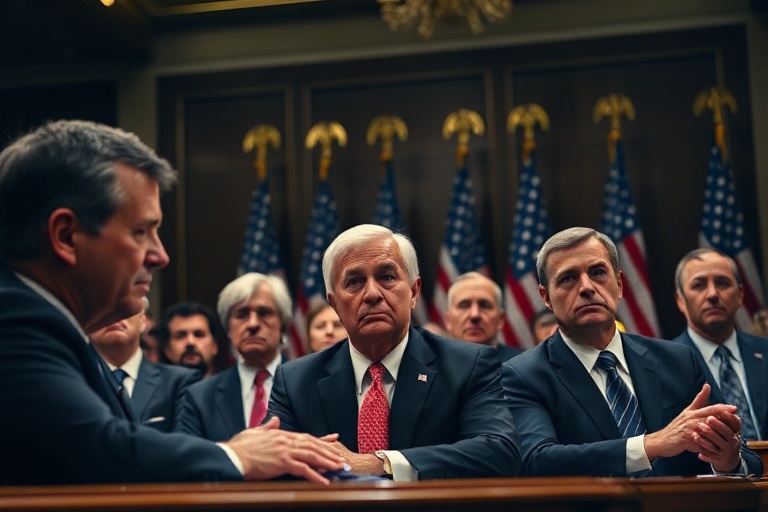
The Republican Party, often referred to as the GOP (Grand Old Party), stands as one of the two dominant political forces in the United States. Since its founding in 1854, it has shaped American policy, from the abolition of slavery to the modern debates over taxation and national security. Understanding the party’s core principles, historical trajectory, and current role requires examining its ideological foundations, key figures, and evolving strategies.
The Origins and Foundational Principles of the GOP
The Republican Party emerged in the mid-19th century as a coalition of anti-slavery activists, former Whigs, and Free Soil Party members. Its formation was directly tied to the Kansas-Nebraska Act of 1854, which threatened to expand slavery into new territories. From its inception, the party positioned itself as the defender of free labor and moral opposition to slavery, culminating in Abraham Lincoln’s 1860 presidential victory.
Early Republican policies reflected a commitment to economic modernization and national unity. The party championed industrial development, protective tariffs, and infrastructure projects like the transcontinental railroad. Post-Civil War, Republicans dominated national politics for decades, implementing Reconstruction policies aimed at integrating formerly enslaved people into society while imposing strict federal oversight in the South.
By the late 19th century, the party’s identity began shifting toward business interests, with factions like the Stalwarts and Half-Breeds debating the role of government in regulating industry. This era laid the groundwork for the GOP’s enduring association with free-market capitalism—a principle that remains central to its platform today.
Ideological Pillars: Conservatism, Libertarianism, and Populism
The Republican Party’s ideology is a complex blend of conservatism, libertarianism, and, in recent decades, populist rhetoric. These strands often intersect but can also create internal tensions within the party.
- Fiscal Conservatism: A commitment to limited government spending, lower taxes, and deregulation has long defined the GOP’s economic approach. The Reagan administration’s 1981 tax cuts epitomized this philosophy, arguing that reduced government interference would spur growth.
- Social Conservatism: Many Republicans prioritize issues like opposition to abortion, support for traditional family structures, and resistance to progressive cultural shifts. This faction gained prominence in the late 20th century, particularly through the efforts of groups like the Moral Majority.
- National Security and Military Strength: Republicans traditionally advocate for a robust defense budget, proactive foreign policy, and skepticism of international agreements perceived as weakening U.S. sovereignty. This stance has led to both bipartisan support for defense spending and partisan clashes over treaties like the Iran Nuclear Deal.
- Populist Influences: In the 21st century, populist rhetoric—emphasizing opposition to elites, skepticism of media, and appeals to working-class voters—has reshaped the party’s messaging. Figures like Donald Trump have redefined Republicanism by merging economic nationalism with cultural grievance politics.
The party’s ideological flexibility has allowed it to adapt to changing political landscapes, but it has also led to fractures. Libertarian-leaning Republicans often clash with social conservatives over issues like drug policy or LGBTQ+ rights, while establishment figures debate populist insurgents over the direction of the party.
Key Figures and Transformations in the Modern GOP
The Republican Party’s evolution can be traced through pivotal leaders who redefined its priorities. Barry Goldwater’s 1964 presidential campaign, though unsuccessful, laid the groundwork for the conservative movement by emphasizing limited government and states’ rights. Ronald Reagan’s 1980 victory solidified the GOP’s shift toward free-market principles and a hawkish foreign policy.
The 1990s and early 2000s saw a more pragmatic Republican Party under leaders like Newt Gingrich and George W. Bush, who balanced conservative ideals with legislative pragmatism. However, the Tea Party movement in 2010 rejuvenated the party’s populist wing, pushing for fiscal austerity and opposition to Obamacare. This grassroots energy culminated in Donald Trump’s 2016 presidential victory, which prioritized nationalist rhetoric, trade protectionism, and skepticism of global institutions.
Today, the party is a battleground between traditional conservatives, populist loyalists to Trump, and a growing faction of younger, more moderate Republicans. Figures like Mitt Romney and Liz Cheney represent the establishment wing, while politicians like Marjorie Taylor Greene and Matt Gaetz embody the populist base. This dynamic has led to internal conflicts over issues like election integrity, immigration, and the party’s future direction.
The Republican Party’s Broader Impact and Future Challenges
The GOP’s influence extends far beyond electoral politics. Its policies have shaped the federal judiciary, with Republican-appointed justices often delivering rulings that advance conservative priorities, such as restricting abortion rights (Dobbs v. Jackson Women’s Health Organization) or expanding religious freedoms. The party’s opposition to climate change regulations has also delayed action on environmental issues, while its tax policies have influenced income inequality trends.
In Congress, Republicans have repeatedly used procedural tools like the filibuster to block progressive legislation, particularly on healthcare and voting rights. The party’s stance on election integrity—amplified by Trump’s false claims of widespread voter fraud—has fueled debates over voting laws and democratic norms. Meanwhile, its relationship with traditional allies like NATO has fluctuated under different leadership styles.
Looking ahead, the Republican Party faces several existential challenges:
- Balancing Populism and Pragmatism: The party must reconcile its base’s demands for ideological purity with the need to appeal to suburban and independent voters who reject extremist rhetoric.
- Demographic Shifts: The GOP’s reliance on older, white voters is unsustainable as the U.S. becomes more racially and ethnically diverse. Efforts to attract Latino and Black voters have yielded limited success.
- Policy Innovation: With Democrats controlling the White House and Senate, Republicans must develop alternative solutions to issues like healthcare, climate change, and economic inequality rather than relying solely on opposition.
- Leadership Transition: The party’s future hinges on whether it can move beyond Trump’s shadow or whether his brand of politics will permanently reshape its identity.
The Republican Party’s ability to adapt will determine its relevance in an increasingly polarized political landscape. Whether it returns to its roots as a party of limited government or fully embraces populist nationalism, the GOP will continue to play a defining role in shaping America’s future.
For deeper analysis on political shifts, explore our Trending and Politics categories for ongoing coverage of the Republican Party’s evolving strategies and impact.
© 2023 Dave’s Locker. All rights reserved.