Understanding the Iran-Israel Conflict: History and Current Developments
The Iran-Israel Conflict: An Overview
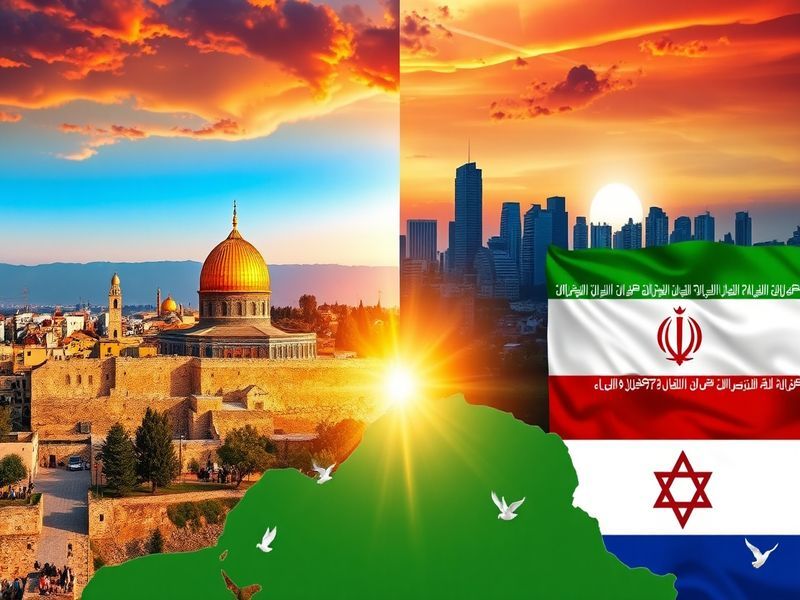
The longstanding tension between Iran and Israel has escalated in recent years, leading to increasing fears of a potential military confrontation. This conflict is rooted in ideological, religious, and geopolitical differences that have shaped their interactions over decades. Understanding the complexities of this rivalry is essential for grasping the broader implications for regional stability in the Middle East.
Historical Context
The animosity between Iran and Israel can be traced back to the 1979 Iranian Revolution, which resulted in the establishment of an Islamic Republic. Iran’s leaders view Israel as an illegitimate state, while Israel perceives Iran’s nuclear ambitions as a direct threat to its existence. This historical backdrop sets the stage for the ongoing hostilities.
Key historical events include:
- 1979: The Iranian Revolution leads to the severance of diplomatic ties between Iran and Israel.
- 1980s: Iran supports anti-Israel militant groups, such as Hezbollah, further escalating tensions.
- 2000s: Iran’s nuclear program emerges as a focal point of conflict, with Israel voicing concerns about potential nuclear weapons.
- 2010s: Cyber warfare, including the Stuxnet attack on Iranian nuclear facilities, highlights the covert operations between the two nations.
Current Developments
Recent years have witnessed a significant increase in hostilities, particularly following the U.S. withdrawal from the Iran nuclear deal in 2018. This withdrawal has allowed Iran to expand its nuclear program, prompting Israel to take a more aggressive stance. Israeli officials have stated that they will not tolerate a nuclear-armed Iran, which has led to heightened military readiness and strategic planning.
Moreover, the conflict has spilled over into various proxy battles across the region. Iran’s support for groups like Hezbollah and its involvement in Syria have drawn Israel into direct confrontations. Israeli airstrikes targeting Iranian positions in Syria have become a common occurrence, representing a tactical approach to counter threats before they materialize.
Geopolitical Implications
The Iran-Israel conflict has far-reaching implications for the Middle East and beyond. The rivalry influences regional alliances and shapes the foreign policies of other nations, particularly those of the United States and Russia. As both countries engage in a complex game of power, several key factors emerge:
- Regional Alliances: Countries like Saudi Arabia and the United Arab Emirates have found common ground with Israel in countering Iranian influence.
- Military Posturing: Both nations continue to invest in military capabilities, with Israel focusing on advanced technology and Iran bolstering its missile program.
- Global Involvement: The United States remains a significant player, offering military support to Israel while engaging in diplomatic efforts with Iran.
Conclusion
The potential for an Iran-Israel war looms large, driven by a complex mix of historical grievances, ideological divides, and strategic calculations. As tensions escalate, the consequences could extend beyond the immediate region, impacting global security and economic stability. Continued diplomatic efforts are essential to mitigate the risks of armed conflict and foster a more peaceful coexistence.
For more insights on international conflicts and geopolitical dynamics, visit our News and Analysis sections.