Exploring Arthur Shelby: A Complex Character in Peaky Blinders
Arthur Shelby: The Heart of Peaky Blinders
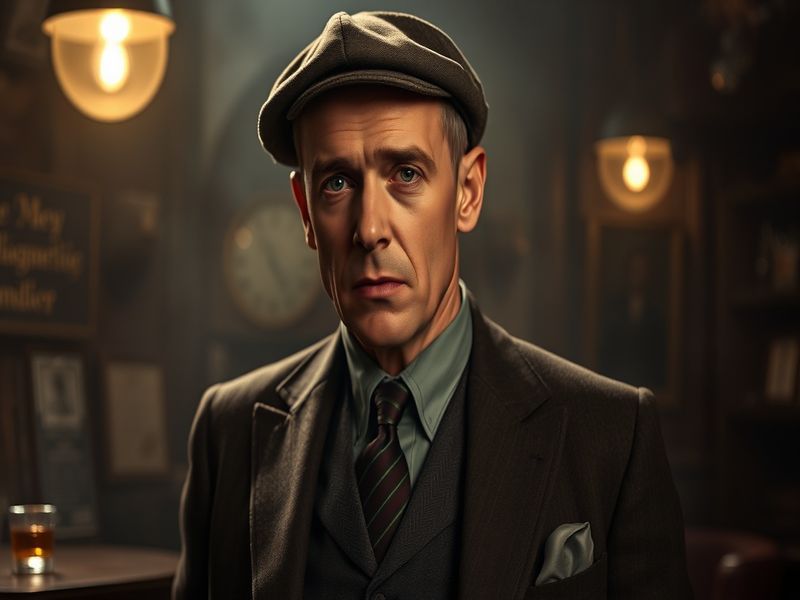
Arthur Shelby, portrayed by Paul Anderson, stands out as one of the most compelling characters in the acclaimed series Peaky Blinders. As the elder brother of Thomas Shelby, Arthur embodies the tumultuous spirit of post-World War I Birmingham, England. His character arc reflects the struggles of a man grappling with loyalty, trauma, and the complexities of family dynamics.
A Complex Character Study
Arthur’s character is marked by his intense loyalty to his family and the Peaky Blinders gang. Yet, this loyalty often leads him down a path of violence and despair. His tumultuous relationship with Thomas showcases the tension between familial duty and personal ambition. Arthur is not just a thug; he is a deeply flawed individual seeking redemption in a world that often offers none.
Throughout the series, Arthur’s character development is portrayed through various lenses:
- Violence and Trauma: Arthur’s experiences in the war leave lasting scars, contributing to his volatile behavior.
- Brotherhood: His relationship with Thomas is both a source of strength and conflict, highlighting the complexities of brotherly bonds.
- Redemption: Arthur’s quest for redemption is a recurring theme, showcasing his struggle against his darker impulses.
Thematic Elements in Arthur’s Journey
The themes surrounding Arthur Shelby resonate on a global scale. The aftermath of war, the pursuit of identity, and the consequences of loyalty are universal experiences. Arthur’s character serves as a reflection of the societal issues that many face, particularly in post-conflict scenarios.
In addition to personal struggles, Arthur’s character also addresses larger societal themes:
- Class Struggle: The Peaky Blinders’ rise to power illustrates the fight against the established order, mirroring historical class struggles.
- Mental Health: Arthur’s mental health issues shed light on the often-overlooked consequences of trauma, a topic increasingly relevant in today’s society.
- Family Loyalty vs. Individuality: The tension between familial obligations and personal freedom is a central conflict for Arthur, reflecting broader societal dilemmas.
Cultural Impact and Legacy
Arthur Shelby’s character has left a significant mark not only in television but also in popular culture. The Peaky Blinders series has inspired numerous discussions about the aesthetics of gang culture, fashion, and the portrayal of historical events. Arthur, with his distinctive style and complex persona, has become an iconic figure, symbolizing both the allure and the peril of gang life.
Fans of the series often cite Arthur’s struggles as a reason for their connection to the show. His character serves as a reminder of the human experience, full of contradictions and moral dilemmas. The discussions surrounding mental health and trauma have gained traction, encouraging viewers to engage with these critical issues.
In addition, the series has sparked interest in the historical context of the Peaky Blinders gang, leading to a resurgence in the exploration of early 20th-century British history. Arthur Shelby’s character, with his rich backstory, invites audiences to reflect on the historical realities that shaped such figures.
For those interested in exploring more about themes of loyalty and conflict in modern storytelling, consider checking out our Culture and Entertainment sections for more insights.
Conclusion
Arthur Shelby’s character in Peaky Blinders is a multifaceted exploration of loyalty, trauma, and redemption. His journey resonates with viewers on various levels, transcending the confines of the series itself. As the show continues to captivate audiences worldwide, Arthur remains a poignant reminder of the struggles inherent in the human condition. His legacy, intertwined with the broader themes of the series, ensures that the conversation surrounding his character will endure long after the final credits roll.